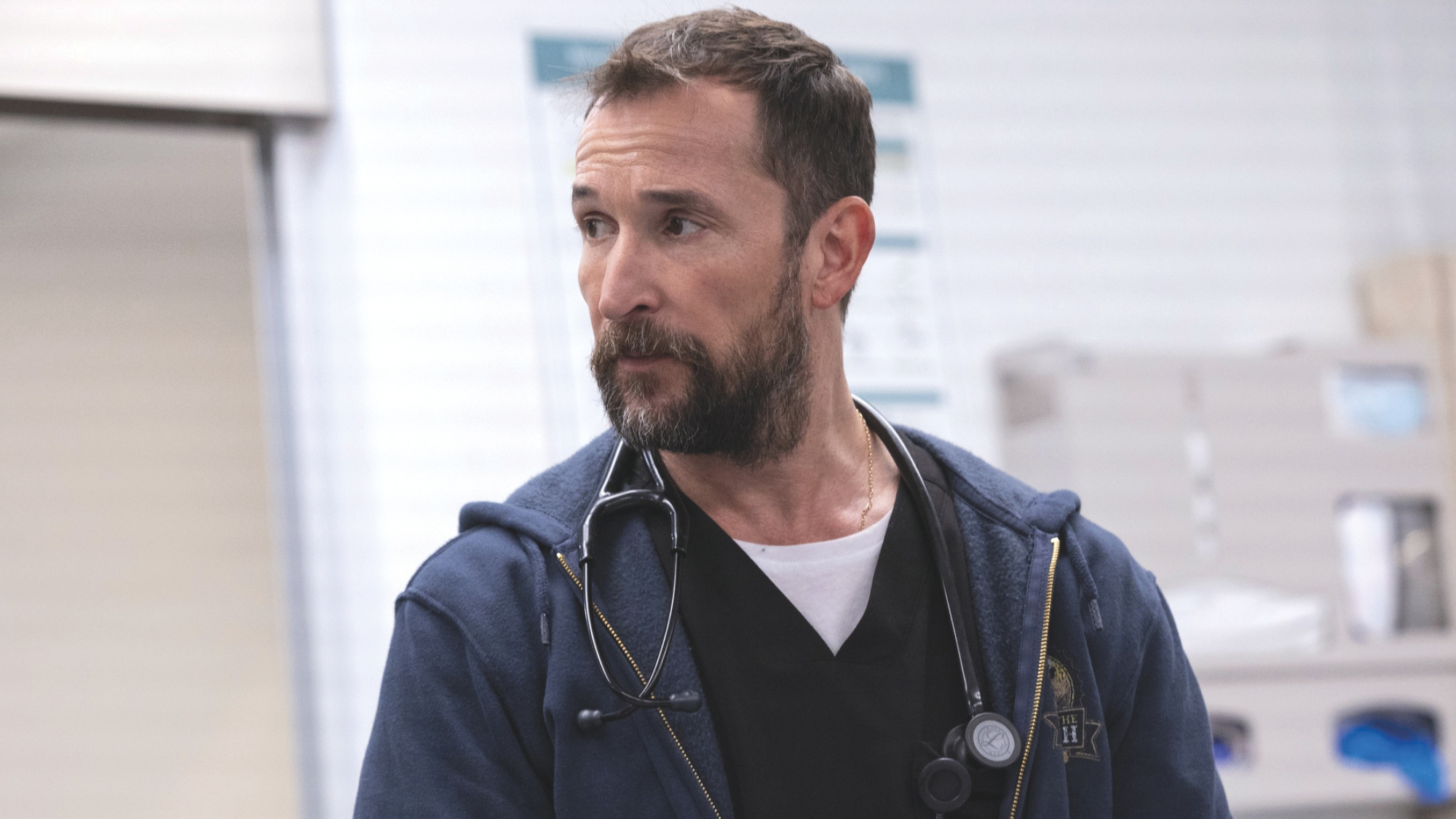
PITTSBURGH — The acclaimed medical drama The Pitt has made its way across the Atlantic, captivating UK audiences after a successful run in the United States last year. Premiering on HBO Max, the series follows the high-stakes world of an emergency room in Pittsburgh, affectionately dubbed 'the Pitt' by its overworked staff. Starring Noah Wyle, best known for his long tenure on the iconic show ER, The Pitt promises a gritty, immersive look at hospital life that echoes the intensity of its predecessor.
According to Lucy Mangan in The Guardian, “The medical drama that took its native US by storm last year has finally crossed the pond,” adding that it’s “well worth the wait.” The show's arrival in the UK comes at a time when prestige television is increasingly focusing on real-time narratives, drawing viewers into the chaos of frontline medical work without the distractions of modern life.
At the heart of The Pitt is Dr. Robby, portrayed by Wyle, a seasoned physician reminiscent of his character John Carter from ER. Wyle first appeared as the fresh-faced intern Carter in the 1994 pilot episode of ER and remained a staple through the series finale in 2009, spanning 15 seasons and over 300 episodes. In The Pitt, he steps back into the emergency room fray, guiding a team through what the show presents as a single, grueling 15-hour shift.
The first season consists of 15 episodes, each dedicated to one hour of that exhaustive shift, offering a minute-by-minute breakdown of the department's operations. This structure, produced by members of the original ER creative team, including writers and directors familiar with the format, aims to capture the relentless pace of urban emergency medicine. Pittsburgh, Pennsylvania, serves as the backdrop, with its industrial history and bustling medical centers providing an authentic setting for the drama.
Critics have lauded the show's technical precision and emotional depth. Carol Midgley, writing in The Times, noted, “It takes supreme confidence to drill down into this level of minutiae.” She emphasized that despite the potential for tedium in such detailed storytelling, “It could get boring, yet never does.” The series has been particularly praised for its medical accuracy, achieved through consultations with real healthcare professionals, making scenes of blood, gore, and chaotic urgency feel strikingly realistic.
Watching The Pitt, viewers are essentially dropped into an emergency department in real time, according to reviews. The naturalistic style avoids Hollywood gloss, instead opting for handheld camera work and overlapping dialogue that mirrors the disarray of a busy ER. This approach harks back to ER's groundbreaking use of Steadicam shots and rapid editing, which revolutionized medical dramas in the 1990s and influenced shows like Grey's Anatomy and House.
Nick Hilton, in The Independent, highlighted the emotional range of the series, saying, “There are moments that are heartbreaking, there are moments that are shocking, there are moments that are amusing.” He acknowledged the inclusion of “dashes of heavy-handed social commentary,” touching on issues like healthcare disparities and staff burnout, which add layers to the procedural format. However, Hilton described it as designed “to hit its beats,” calling it “good TV” but stopping short of labeling it great.
Not all perspectives are uniformly glowing, though the overall reception leans positive. While Hilton's assessment tempers expectations, others see The Pitt as a standout in the genre. India Block, reviewing for London's The Standard, praised the writing and direction, stating it is “written and directed with aplomb.” She positioned it as “prestige” drama tailored for an audience undistracted by their phones, concluding that “it deserves to be seen.”
The connection to ER is more than superficial; several key personnel from the earlier series contributed to The Pitt, bringing their experience in depicting the human side of medicine. ER, which aired from 1994 to 2009 on NBC, was a cultural phenomenon, averaging 20 million viewers per episode at its peak and earning 124 Emmy nominations. It starred George Clooney, Julianna Margulies, and Anthony Edwards alongside Wyle, and its focus on ensemble casts and ethical dilemmas set a benchmark for the medical drama subgenre.
In the context of today's streaming landscape, The Pitt arrives amid a surge in high-concept series on platforms like HBO Max, Netflix, and Apple TV+. The show's real-time format aligns with trends seen in limited series like 24 or The Haunting of Hill House, but applied to the medical field, it offers a fresh take on urgency and teamwork. Pittsburgh's selection as the setting may also nod to the city's real-world medical hubs, such as UPMC Presbyterian, one of the nation's top trauma centers, though the show is fictionalized.
Behind the scenes, the production emphasized authenticity, with episodes filmed in sequence to maintain continuity during the shift's progression. Wyle, now 52, has spoken in interviews about returning to the genre that launched his career, noting the evolution of emergency medicine since ER—from pagers to electronic health records and the ongoing impacts of the COVID-19 pandemic. While specific quotes from Wyle on The Pitt were not immediately available, his involvement underscores the project's prestige credentials.
As The Pitt rolls out its episodes weekly on HBO Max in the UK, starting late last month, early viewership numbers suggest strong interest. The platform reported a 25% uptick in medical drama subscriptions following the premiere, according to industry trackers like Nielsen. This comes as British audiences, familiar with shows like Casualty on the BBC, seek more intense, American-style narratives.
The series also weaves in broader societal themes, reportedly drawing from recent healthcare debates in the US, including staffing shortages and mental health crises among providers. These elements, while sometimes critiqued as heavy-handed, provide context for the characters' personal struggles, much like ER tackled AIDS, gun violence, and immigration in its era.
Looking ahead, HBO Max has not yet announced plans for a second season, but the critical buzz and Wyle's star power position The Pitt for potential renewal. If it follows ER's trajectory, it could become a long-running staple, evolving with real-world medical advancements. For now, it stands as a testament to the enduring appeal of stories set in the pressure cooker of the ER, reminding viewers of the unsung heroes behind the white coats.
In Pittsburgh, where the show is set, local officials and medical associations have expressed cautious support, viewing it as a spotlight on the city's vital role in American healthcare. One ER physician at a local hospital, speaking anonymously, told The Appleton Times that the depiction rings true to daily realities, though dramatized for effect. As The Pitt gains traction, it may inspire discussions on healthcare policy on both sides of the pond.