In the heart of Vancouver's escalating housing crisis, desperate renters are resorting to extreme measures to secure a roof over their heads, including sharing bedrooms with strangers and forgoing basic tenancy protections. Hansley Ambia, a 35-year-old immigrant from Cameroon, arrived in the city in May 2024 to work and study, only to find himself squeezed into a mold-infested basement suite on King Edward Avenue for $700 a month. What began as a seemingly affordable rental quickly turned into a nightmare when, two months later, the man he believed was his landlord, Oscar Pelaez Aguilar, allegedly doubled the rent or forced him to share his room with an unknown roommate.
"That’s how someone moved into the room, and I was sharing the room with a total stranger," Ambia recounted in an interview. The property, managed by Sunwise Property on behalf of owner Qi Na Yang, suffered from black mold in the bathrooms, peeling walls, and persistent water leaks from the upstairs unit. Ambia later discovered that Pelaez Aguilar was not the true landlord but a "head tenant" who collected rents for Sunwise, rendering Ambia an "occupant/roommate" under British Columbia's Residential Tenancy Act (RTA). This status stripped him of protections against arbitrary rent hikes, evictions, or demands for maintenance repairs.
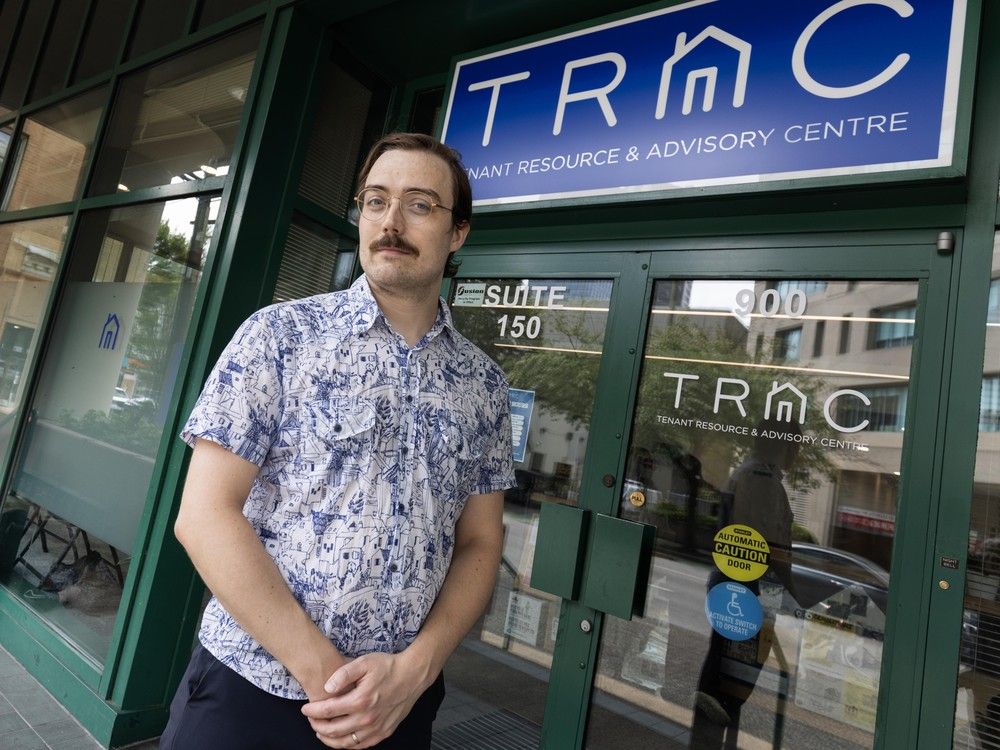
Robert Patterson, a lawyer with the Tenant Resource and Advisory Centre (TRAC), described such arrangements as increasingly common amid soaring rents. "Renters increasingly find themselves in situations where, at ‘the extreme end of the process,’ they are sharing a bedroom, often with people they just met online," Patterson said. He noted that vulnerable tenants are "pressured, pushed and forced" into precarious living conditions, with no easy recourse for disputes—occupants must resort to court, a daunting prospect for many.
A search by Postmedia on Craigslist and Facebook Marketplace revealed 35 ads for shared rooms in Metro Vancouver, with prices ranging from $400 to $600 monthly. A follow-up search weeks later uncovered over 60 listings, some advertising bunk beds, three beds per room, or even single beds shared by strangers. While Statistics Canada does not track shared-room specifics, its 2022 data showed nearly 12 percent of Vancouver's 472,900 renter households in "unsuitable" housing, defined by the National Occupancy Standard as lacking sufficient bedrooms—all adults except couples should have separate rooms, with no more than two people per bedroom.
Roommate households have surged, growing 15 percent from 2016 to 2021, from 20,720 to 23,825 in Vancouver. The RTA imposes no occupancy limits on rooms, and while a city bylaw restricts dwellings to one family plus up to two boarders or lodgers, enforcement is lax. TRAC advises renters to secure agreements directly with landlords, not head tenants, to avoid the pitfalls of subletting.
Ambia's King Edward Avenue home was a five-bedroom basement suite housing eight people, including two who shared a converted living room as a bedroom, generating about $5,600 in monthly rent including utilities. He described the experience as "a very terrible experience" that left him feeling unsafe. "I worried about protecting my personal information, such as my credit card and passport, which I would lock in a box in my room, frequently checking to see if anyone had touched it," Ambia said. Conflicts arose too—his roommate's late-night phone calls disrupted Ambia's 5 a.m. wake-ups for his tech industry job. "Sometimes I feel like I need to scream," he admitted, "but then you understand he’s someone who has paid the rent, too."
Eventually, Ambia upgraded to a smaller private room in the same house before leaving altogether. "Seriously, I’d rather go to the streets than share with one more stranger," he declared. "I can’t do that anymore." Pelaez Aguilar did not respond to requests for comment on the rent increase allegations.
Sunwise Property owner Aaron Hutchinson defended his company's model, which targets pre-demolition properties for short-term rentals. Sunwise rents directly from owners like developers, performs basic repairs, and sublets to head tenants who then select roommates. "Everyone has the right to choose, and if you’re being manipulated, or you don’t feel safe, or are being taken advantage of, on the other side of it, as a roommate, you can choose to leave," Hutchinson said. He claimed ignorance of Ambia's rent doubling, attributing such issues to informal roommate agreements: "In truth, like in any situation at any house where you’re just entering a roommate handshake with somebody like that, I could understand somebody might be taken advantage of."
Hutchinson emphasized screening head tenants and providing transparent short-term leases. When Pelaez Aguilar stopped forwarding rents earlier this year, Hutchinson evicted all occupants from the King Edward property with two months' notice, offering alternative housing to some, followed by renovations and new tenants. Sunwise's website promotes the service as avoiding tenancy woes and taxes like the 3 percent empty homes tax and 0.5 percent speculation and vacancy tax—saving one Hastings-Sunrise property owner over $104,500 during a year-long permit wait.
These taxes, introduced in 2017 and expanded since, aim to combat housing shortages by penalizing vacant or speculative properties, particularly those owned by foreign entities facing a 2 percent rate. Sunwise positions itself as a housing solution: "By providing affordable, shorter-term housing, you’re helping individuals or families in need of transitional accommodation," its site states, targeting workers, students, and temporary residents.
At another Sunwise-managed property, a six-bedroom house on East Georgia Street, nine people typically reside, paying around $6,250 monthly plus utilities, with a living room converted to a bedroom. Head tenants sign short-term leases with Sundial Investments, including an addendum acknowledging imminent redevelopment and agreeing to support it. The document warns of minimal notice and no compensation for evictions, requiring all roommates to align with development plans or face 30-day termination.
Hutchinson explained using sublets because Sunwise acts as the primary tenant, bearing financial responsibility. "Because of my transparency about the short-term leases and redevelopment timeline, renters have already received their four months of notice under the RTA," he said. He often relocates tenants to other managed properties for a "win-win." Such homes, he added, are "not great, fantastic homes" unsuitable for traditional managers due to their condition and brief timelines—Sunwise handles about 10 properties, averaging eight months before demolition, though delays can stretch to two or three years.
Patterson of TRAC criticized these setups as common tactics by landlords using shell companies or fixed-term subleases to bypass protections. "Such agreements ‘should be a massive red flag,’" he said, noting they enable illegal rent increases and evictions. True sublets, he clarified, are for temporary absences, not to "insulate themselves with layers of middlemen." Under the RTA, redevelopment evictions require four months' notice and one month's rent, though incentives can expedite moves.
International student Joan Vishal, 26, from India, faced similar hurdles after arriving in August 2023 for Capilano University. Rejected repeatedly for lacking credit checks, he settled for a $2,700 two-bedroom Burnaby suite, sharing his room initially with a classmate and later renting the second bedroom to two students on a shared bed for extra income. "When I’m doing a night shift, I’ll be sleeping in the morning. But the other person will be awake, so they will be disturbing you, like playing some music or talking with your friends or family," Vishal said of the challenges.
Now working full-time post-graduation, Vishal converted the living room into his $800 space and rents his old room for the same. After evicting a problematic tenant with four months' notice, he filled the shared spot with two men from Toronto at $550 each. "I would not say they’re happy, but they’re OK with it for now," he said, regularly checking in. Vancouver Councillor Pete Fry highlighted enforcement difficulties, noting bylaws on occupancy are violated routinely but only probed on complaints due to privacy concerns and crisis strains. "We’re just one step behind," Fry said of a recent case involving a landlord packing students into partitioned rooms, who rearranged for inspections.
The city's Renter Office, once tasked with monitoring such issues, was cut in 2023. As Vancouver grapples with its housing shortage, experts like Patterson stress the need for secure options. "People should be able to afford secure housing," he said, underscoring the broader implications for tenant rights and urban affordability amid ongoing development pressures.