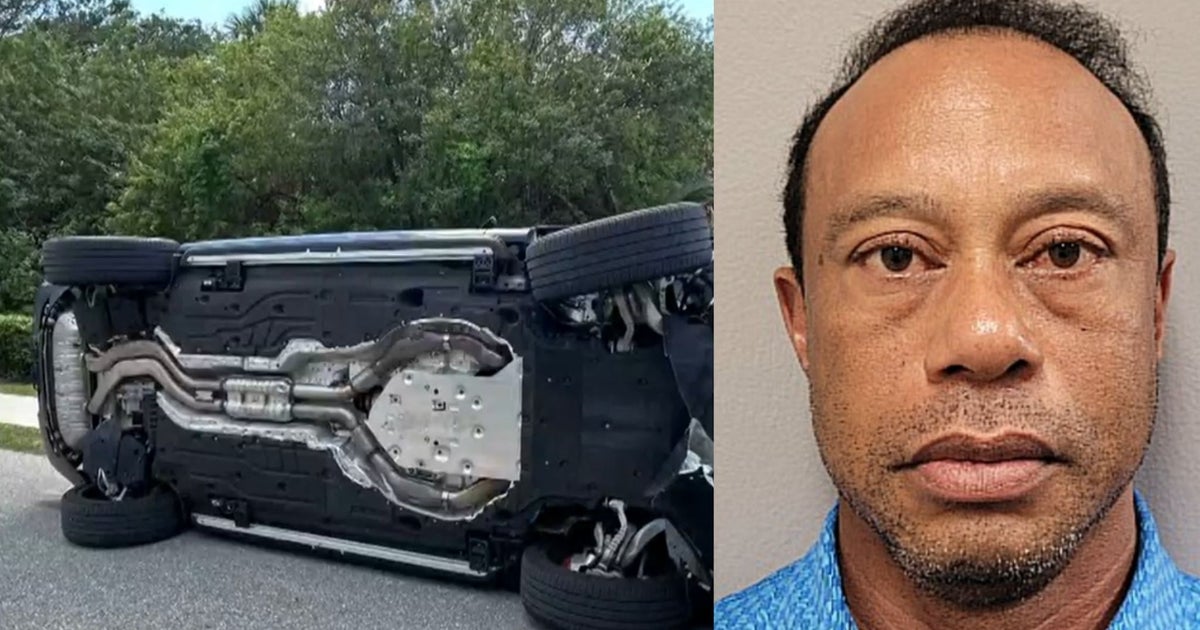
In a stunning turn of events that has gripped the sports world, golf legend Tiger Woods was released from the Martin County jail in Florida on Monday morning following his arrest for driving under the influence after a rollover crash the previous Friday. The incident, which occurred early in the morning on a quiet stretch of highway in Jupiter, Florida, has raised serious questions about the 41-year-old athlete's well-being and future in the game that made him a global icon.
According to reports from CBS News, Woods' black Mercedes-Benz veered off the road around 3 a.m. on Friday, May 29, flipping several times before coming to rest on its roof. Emergency responders arrived quickly to the scene near the intersection of U.S. Highway 1 and Pine Ridge Road, where they found Woods unconscious behind the wheel. Paramedics extricated him from the wreckage and transported him to Jupiter Medical Center for treatment of non-life-threatening injuries, including cuts and bruises.
While at the hospital, Florida Highway Patrol troopers conducted a DUI investigation. Woods was arrested shortly after 7 a.m. and booked into the Martin County Jail on charges of driving under the influence. Authorities reported that a breath test showed no alcohol in his system, but a blood test was pending to check for other substances. The crash was described by investigators as a single-vehicle accident with no other cars involved.
Woods was released on his own recognizance around 11:30 a.m. Monday, less than 24 hours after his arrest, after posting a $500 bond. He did not speak to reporters as he left the facility, but his agent, Mark Steinberg, issued a brief statement on his behalf. "Tiger was involved in a single-car accident this morning," Steinberg said in the statement provided to CBS News. "He is resting and recovering, and we appreciate the well-wishes from everyone."
The news of Woods' arrest sent shockwaves through the golf community and beyond, coming at a time when the 14-time major champion was attempting a comeback from multiple back surgeries. Woods had been sidelined for much of the past two years but made a triumphant return at the 2018 Masters Tournament, where he finished tied for 32nd and earned a standing ovation from fans. His performance was seen as a sign of redemption after a decade marred by personal and professional setbacks.
Background on Woods' storied career provides crucial context for understanding the magnitude of this incident. Born Eldrick Tont Woods in 1975 in Cypress, California, he burst onto the professional golf scene in 1996 at age 20, winning his first major, the Masters, just months later by a record 12-stroke margin. Over the next 13 years, he dominated the sport, securing 14 major titles and 79 PGA Tour victories, tying the record held by Sam Snead. His precision, power, and charisma transformed golf into a mainstream spectacle, earning him billions in endorsements from companies like Nike and Rolex.
However, Woods' personal life unraveled publicly in late 2009 following a Thanksgiving car crash outside his Florida home, which led to revelations of extramarital affairs and a swift fall from grace. He took an indefinite leave from golf, entered therapy, and lost several sponsorships. The scandal cost him an estimated $100 million in deals and tarnished his image as the sport's clean-cut ambassador. Woods slowly rebuilt his career, winning the 2019 Masters in an emotional victory that symbolized his resilience.
This latest incident echoes that 2009 episode, though officials have emphasized that the causes appear different. Florida Highway Patrol spokesperson Sgt. Mark Wysocki told reporters, "At this point, we believe impairment was a factor, but the exact substance is still under investigation." Wysocki noted that Woods cooperated with authorities at the scene and during questioning, showing no signs of resistance.
Witnesses to the crash aftermath provided harrowing accounts. A jogger who lives nearby, identified as local resident Maria Gonzalez, described hearing a loud screech and crash. "I looked out my window and saw the car upside down, smoke coming from the engine," Gonzalez said in an interview with local affiliate WPTV. "I called 911 right away. It was scary to think someone famous like Tiger could be in that situation." Emergency services arrived within minutes, and Woods was alert by the time firefighters freed him from the vehicle.
Medical experts have weighed in on the potential health implications. Dr. Elena Ramirez, a trauma specialist at a Florida hospital not affiliated with Woods' treatment, explained that rollover crashes are among the most dangerous due to the risk of ejection and blunt force trauma. "Even with minor injuries, the psychological impact can be significant, especially for someone under public scrutiny," Ramirez said. She added that prescription medications, which Woods has openly discussed using for chronic back pain, could play a role in such incidents.
The PGA Tour issued a statement expressing support for Woods while stressing the importance of road safety. "We are relieved to hear that Tiger is safe and recovering," tour commissioner Jay Monahan said. "His contributions to golf are immeasurable, and we stand ready to assist him during this time." The statement avoided direct comment on the DUI charge, noting that legal matters are private.
Public reaction has been mixed, with fans and analysts divided on whether this is a isolated lapse or part of a deeper pattern. Social media lit up with hashtags like #PrayForTiger and #WoodsCrash, blending concern with criticism. Former rival Phil Mickelson, who has had his own off-course troubles, posted on Twitter: "Hoping for a full recovery, Tiger. We've all made mistakes—focus on healing." Others, including some conservative commentators, have pointed to Woods' past associations with high-profile figures as potential influences, though no evidence supports such claims.
Legally, Woods faces a misdemeanor DUI charge, which in Florida carries penalties of up to six months in jail, a $500 fine, and license suspension. His attorney, Douglas Duncan, has not yet commented on a plea strategy, but sources close to the golfer suggest he may pursue diversion programs given his clean prior record. The case is expected to be reviewed by a judge in the coming weeks, with blood test results potentially pivotal.
Beyond the immediate legal ramifications, this event could impact Woods' endorsement empire and tournament schedule. He was slated to play in the upcoming U.S. Open at Pebble Beach, but his participation now seems uncertain. Nike, his longest-standing sponsor, reiterated its commitment in a terse statement: "We support Tiger and wish him a speedy recovery." Analysts predict short-term stock dips for golf-related companies but long-term resilience given Woods' enduring brand.
As the story unfolds, the golf world watches closely. Woods' ability to navigate personal adversity has defined his career, from his father's death in 2006 to multiple injuries and scandals. Whether this crash marks another chapter in his redemption arc or a detour remains to be seen. For now, the focus is on his health and the ongoing investigation, with authorities urging caution on the roads amid Florida's busy summer season.
In the broader context of athlete accountability, Woods' case highlights ongoing discussions about substance use in sports. The NFL and NBA have implemented strict policies, but golf's more laissez-faire approach leaves room for debate. Experts like sports psychologist Dr. Robert Goldsmith argue for more support systems. "High-pressure environments can lead to reliance on painkillers," Goldsmith said. "Preventive measures could save careers."
Whatever the outcome, Tiger Woods' legacy as a transformative figure in sports is secure. From his junior amateur days to Olympic dreams deferred, his journey has captivated millions. This latest hurdle, while troubling, underscores the human side of a larger-than-life athlete, reminding fans that even icons are not immune to life's pitfalls.