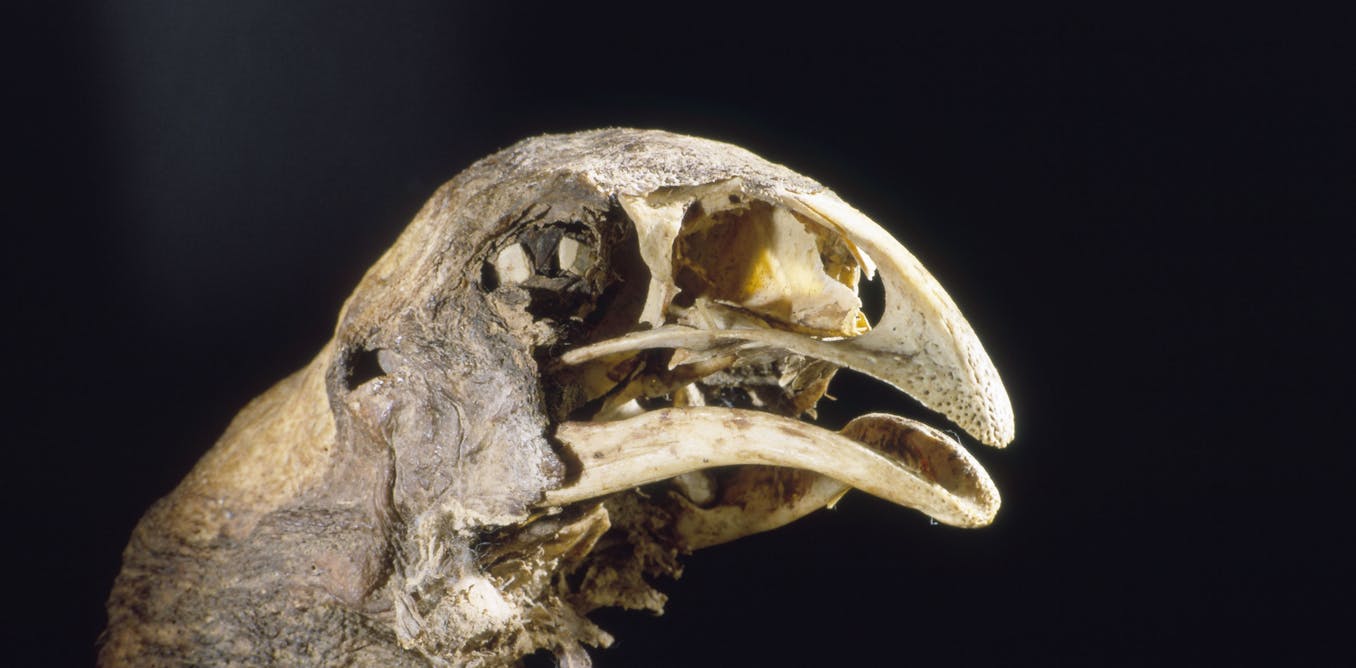
In the wake of recent studies highlighting human-driven species extinctions in Aotearoa New Zealand, online discussions have erupted into familiar battles over blame, with commenters quick to point fingers at historical arrivals. Researchers in biodiversity and ecology are calling for a shift away from this divisive rhetoric, arguing that understanding the full context of past environmental changes is crucial for modern conservation efforts. The debate, often pitting colonial narratives against Indigenous perspectives, underscores deeper tensions in how New Zealand's natural history is interpreted and taught.
Each new report on biodiversity loss in New Zealand triggers a predictable pattern in comment sections, according to a group of researchers writing in The Conversation. Blunt statements like “why should Māori have a say?” frequently appear, tied to claims that Māori arrival led to species declines. These assertions draw on long-dominant European colonial views in natural history and archaeology, which some say provoke strong pushback from Māori communities.
In response, some Māori commentators assert, “we didn’t cause moa extinction, we were the first conservationists.” Others argue that treasured species such as kuri (Polynesian dogs) would not have been permitted to go feral, or that the extinction of the Waitaha penguin resulted from competition for nesting sites with the hoiho yellow-eyed penguin, despite evidence suggesting otherwise. These counters reflect growing frustration with research and media coverage that, in the view of critics, frames findings in ways that assign blame without adequate historical nuance.
One example cited involves a news article about the translocation of takahē birds onto Ngāi Tahu land. The piece linked the species' decline to land confiscations, overlooking what researchers describe as a more complex history involving multiple factors. This isn't isolated to New Zealand; similar debates rage over ecosystem changes on Rapanui (Easter Island) and megafauna extinctions in Australia, where blame has been attributed variously to human activity, climate change, or a mix of both.
The researchers emphasize that this “extinction blame game” hinders progress in conservation. In Aotearoa, they argue, overcoming it is vital if mātauranga Māori (Māori knowledge systems) are to guide evidence-based kaitiakitanga (guardianship and stewardship) for treasured species, or taonga. "Ultimately, this blame game does little to advance understanding," the authors state in their analysis.
Human expansion has historically led to waves of extinction, particularly in island ecosystems like those in the Pacific, where species are often slow-breeding and long-lived. Factors such as hunting for food, habitat clearance, and introduced predators like rats and dogs disrupted balances. Over time, new equilibria emerged, incorporating humans and adapting existing tikanga (customs).
Polynesians arriving in Aotearoa brought kiore (Pacific rats), kuri, and plants like taro and kumara. With limited protein sources—no chickens or pigs—early settlers depended heavily on hunting, especially in southern Aotearoa where horticulture was challenging. Many species couldn't endure even modest hunting pressures, compounded by predation from introductions. "People needed to eat, plain and simple," the researchers note.
Modeling indicates that sustainable moa hunting would have required over half of the South Island to be a “no-take” zone. The authors suggest the moa's fate might have been similar if Europeans had arrived first, given the vulnerabilities of island ecosystems. This perspective challenges simplistic blame narratives by highlighting universal human impacts on fragile environments.
Effective science communication, the experts argue, must contextualize findings and avoid language that exceeds evidence or implies unsupported culpability. A recent study exemplifies the issue: it detected soot from human-induced forest fires in Antarctic ice cores and connected it to “Māori arrival in New Zealand.” Some Māori interpreted this as pinning pollution responsibility on them in a region seen as pristine, sparking backlash.
New Zealand scientists, including Māori palaeoecologist Rewi Newnham, pushed back, demonstrating the soot could originate from fires in Australia or South America around the same period—roughly 1280 to 1300 AD, aligning with Polynesian settlement estimates. This incident illustrates the pitfalls of discussing Māori impacts “without Māori,” underscoring the need for Indigenous inclusion in interpreting results.
Tensions also surface in pest management discussions. Initiatives often lump all three rat species in Aotearoa—kiore, Norway rats, and ship rats—as equivalent threats, ignoring kiore's unique history. While kiore contributed to ecological shifts, they were also a valued food source, seasonal indicator, and taonga transported intentionally across the Pacific. "Grouping kiore with Norway and ship rats oversimplifies that history," the researchers warn, risking reinforcement of binary thinking in the blame debate.
Stripping nuance from species histories flattens understandings of Māori-animal relationships, missing chances to draw from traditions of coexistence and management for today's conservation. The authors invoke the whakataukī (proverb): kia whakatōmuri te haere whakamua—to “walk backwards into the future with our eyes fixed on the past.” This approach, blending Māori and Pākehā (European New Zealander) histories, can inform kaitiakitanga, management, and sustainable mahinga kai (customary food gathering).
Palaeontological and archaeological research should be viewed as an opportunity to give back knowledge to Māori lost due to colonialism, such as how Polynesians adapted to Aotearoa’s dynamic environment and evolved into Māori.
Within Māori narratives of the natural world are detailed ecological insights from generations of observation, covering population dynamics, seasonality, and balance—rooted in lived experience. Reintegrating these with modern science promises adaptive, relational conservation, as seen in initiatives like the East Otago Taiapuri project and collaborations between Manaaki Whenua Landcare Research and the Tūhoe Tuawhenua Trust.
Assigning blame for past human impacts is unproductive, the researchers conclude. Instead, mātauranga—honed over centuries in Aotearoa and millennia elsewhere—paired with conservation tools, is essential to address the ongoing biodiversity crisis. New Zealand's native species, from the flightless takahē to ancient moa ghosts, depend on this forward-looking unity.
As debates continue in academic circles and online forums, experts like those from the University of Otago and Manaaki Whenua stress that inclusive storytelling could bridge divides. With species loss accelerating—over 80% of New Zealand's native birds, bats, and reptiles now threatened—time is short. Policymakers and conservationists are increasingly turning to hybrid knowledge systems, signaling a potential path beyond blame toward restoration.