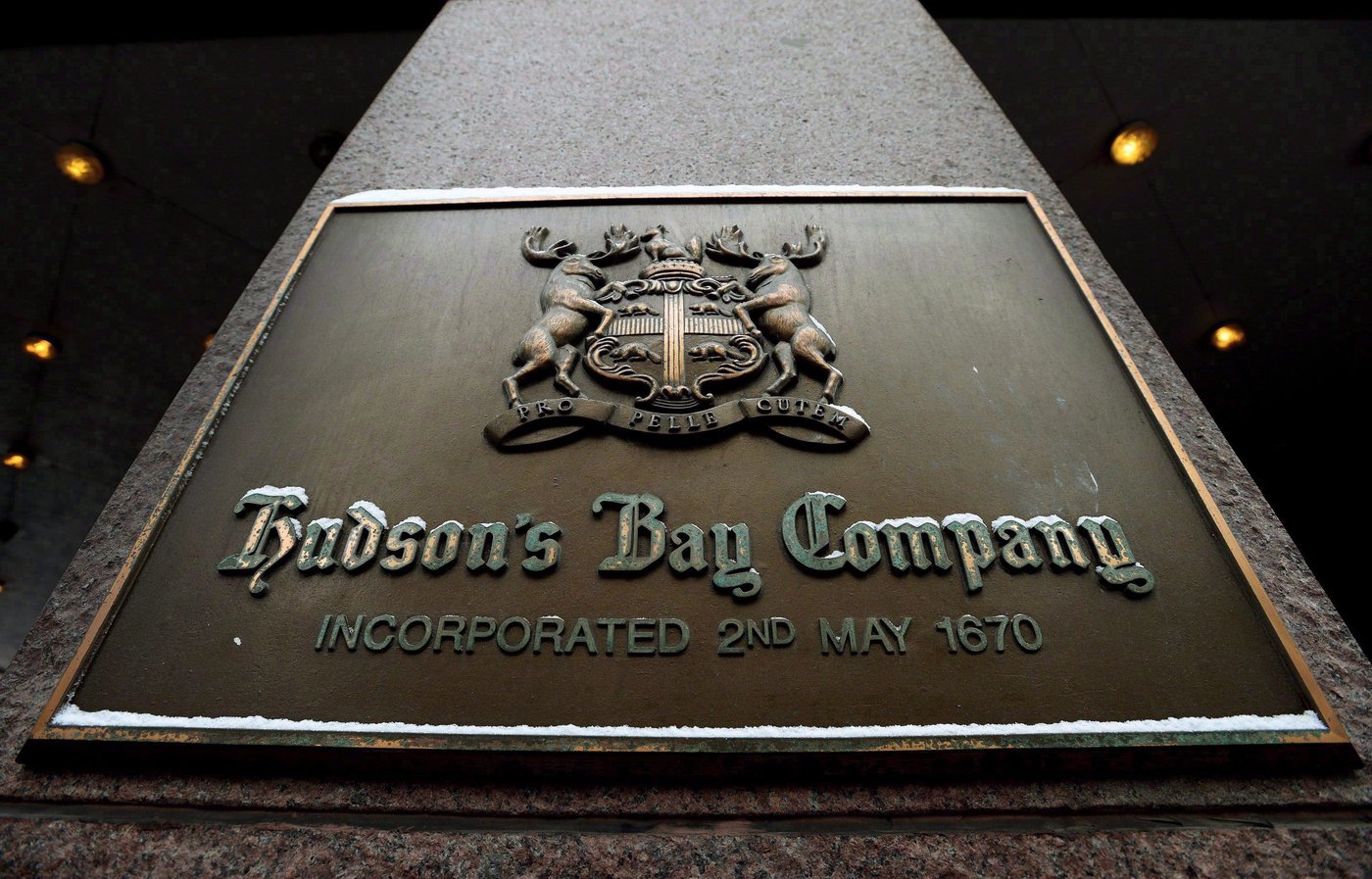
In the heart of Toronto's bustling Yorkville district, a landmark retail space that once anchored the city's shopping scene faces a dramatic transformation. The former Hudson’s Bay Company store at the intersection of Bay and Bloor Streets, a fixture for decades, is the subject of a new proposal to convert its vast interior into a multi-level self-storage facility. The application, submitted to the City of Toronto on April 24, 2026, seeks a zoning bylaw amendment for the property at 2 Bloor Street East, signaling a shift in how urban commercial spaces are being repurposed amid changing consumer habits.
The Hudson’s Bay Company, one of Canada's oldest retailers, shuttered all its locations nationwide in June 2025, leaving behind expansive vacancies in prime urban areas. These closures have posed significant challenges for commercial landlords, as the Bay often served as the “anchor tenant” – the primary draw that brought foot traffic and supported surrounding businesses. According to retail analysts cited in recent reports, the rise of online shopping has diminished the demand for large, traditional brick-and-mortar stores, pushing property owners to explore alternative uses for these cavernous spaces.
The proposed conversion at 2 Bloor Street East would repurpose the existing retail podium building into a self-storage warehouse. The application specifically requests permission “to convert the existing retail space in the podium building (formerly The Bay) into a self-storage warehouse and to alter the Bloor Street East elevation by recladding it and replacing the canopies,” as detailed in the submission to city planners. This multi-level setup aims to maximize the use of the building's vertical space, turning what was once a bustling department store into a practical storage solution for urban dwellers.
Currently in the early stages of review, the application will first undergo scrutiny by various City of Toronto divisions and external agencies to ensure it meets minimum requirements. Once cleared, a notice of completion will be issued to the applicant, kicking off the community consultation phase. This step provides the public with detailed information about the proposed development, followed by a statutory public meeting where residents and stakeholders can voice their opinions.
City Council will ultimately decide whether to approve the zoning changes, a process that could take several months. Officials with the City of Toronto's planning department have not yet commented publicly on the proposal's merits, but the application's timing aligns with broader trends in Toronto's real estate market. With e-commerce continuing to dominate, similar conversions have been floated for other former big-box retail sites across the Greater Toronto Area.
The Bloor Street location, spanning several floors and occupying a prominent corner in one of the city's most affluent neighborhoods, has long been a symbol of Toronto's retail heritage. Opened in the mid-20th century, the store drew shoppers from across the region with its array of departments, from fashion to home goods. Its closure in 2025 was part of HBC's larger downsizing strategy, influenced by years of declining in-store sales and competition from digital giants like Amazon.
Local business owners near Bay and Bloor expressed mixed reactions to news of the potential change. One shopkeeper, who asked not to be named, told reporters, “The Bay was always the engine that kept us going – without it, foot traffic has dropped noticeably.” Others see opportunity in the adaptive reuse. A representative from a nearby boutique noted that self-storage could bring steady, if less glamorous, economic activity to the area, potentially stabilizing rents for smaller retailers.
Retail experts have weighed in on the broader implications. “With consumer habits trending more towards online shopping, the appetite for giant retail stores no longer exists,” one analyst speculated in a recent industry report. This sentiment echoes the challenges faced by landlords nationwide, where empty anchor spaces have led to creative solutions like co-working hubs, fitness centers, or, in this case, storage facilities. In Toronto alone, several former department store sites remain vacant, prompting discussions about zoning flexibility to encourage redevelopment.
The proposal's focus on self-storage reflects growing demand in a densely populated city like Toronto, where apartment dwellers often lack space for belongings. Industry data shows that urban storage rates have surged by over 20 percent in the past five years, driven by smaller living quarters and transient populations. Converting the Bloor Street site could add hundreds of storage units, easing pressure on existing facilities scattered across the suburbs.
However, not everyone is enthusiastic about the idea. Community advocates in Yorkville, known for its upscale vibe and cultural attractions, worry that a storage warehouse might detract from the area's aesthetic appeal. “This is a gateway to some of Toronto's most iconic streets – we need developments that enhance, not hide away, the streetscape,” said a local resident during an informal interview. The application's plans to reclad the Bloor Street East facade and replace the canopies aim to address such concerns, but details on the new design remain sparse at this early stage.
Environmental considerations could also play a role in the review process. Converting an existing building avoids the carbon footprint of new construction, aligning with Toronto's green building initiatives. City planners have emphasized sustainability in recent zoning decisions, and proponents of the self-storage plan argue it represents a low-impact reuse of underutilized space.
As the application progresses, it will likely draw scrutiny from heritage groups, given the building's historical ties to HBC, which dates back to 1670. While the structure itself isn't designated as heritage, its location in a sensitive urban core could invite calls for preservation. The City of Toronto has a track record of balancing development with community input, as seen in recent projects along Bloor Street.
Looking ahead, the outcome of this proposal could set a precedent for other vacant retail spaces in downtown Toronto. With more than a dozen former Bay locations still empty across the province, landlords are watching closely. If approved, the conversion at 2 Bloor Street East might herald a new era for urban storage, blending practicality with the evolving needs of city life.
For now, the site stands quiet, a reminder of retail's bygone dominance. As Toronto navigates post-pandemic recovery and the digital shift, adaptive projects like this one underscore the city's resilience. Residents and officials alike await the next steps, with public meetings expected in the coming months.
The story of the Hudson’s Bay site's potential rebirth as a storage hub is just one thread in Toronto's larger tapestry of change. From rising gas prices – set to increase by seven cents per litre to 186.9 cents starting Friday – to TTC service disruptions and weather advisories, the city pulses with daily developments. Yet, in the shadow of this iconic corner, the proposal stands as a poignant marker of how even the mightiest retail empires must adapt to survive.