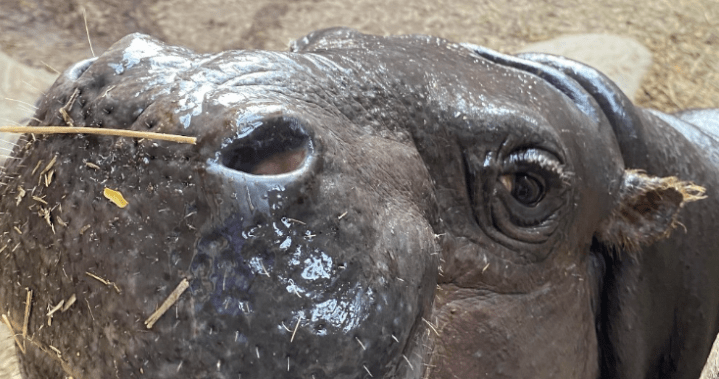
TORONTO — The Toronto Zoo announced on Wednesday that one of its beloved pygmy hippopotamuses is expecting her second calf this summer, offering a glimmer of hope for the endangered species amid ongoing conservation challenges.
Kindia, a 20-year-old female pygmy hippo often affectionately compared to the viral sensation Moo Deng from a Thai zoo, resides in the zoo's African Rainforest Pavilion. According to zoo officials, Kindia was introduced to 31-year-old male Harvey earlier this year, leading to the anticipated arrival. The pair spent four days together in January, a period the zoo described in a social media post as one where "they certainly made the most of their time together."
The pregnancy was confirmed through routine monitoring, with the calf due in late July. Pygmy hippos have a gestation period of less than seven months, which aligns with the timeline provided by the zoo. Staff members are keeping a close watch on Kindia via behavioral observations and ultrasounds to ensure her health throughout the process.
This will mark Kindia's second offspring; she successfully gave birth to a calf in 2018. However, the zoo emphasized that survival rates for pygmy hippo calves can be precarious in the early stages. "Teams are prepared to support both mother and calf," officials stated in their release, highlighting the dedicated care that will be provided post-birth.
Pygmy hippopotamuses, scientifically known as Choeropsis liberiensis, are native to the forests and swamps of West Africa, including countries like Liberia, Sierra Leone, and Guinea. The species is classified as endangered by the International Union for Conservation of Nature, with fewer than 3,000 individuals believed to remain in the wild. Habitat destruction driven by logging, mining, and agricultural expansion poses the greatest threat, compounded by poaching for bushmeat and the pet trade.
The Toronto Zoo's involvement extends beyond exhibition; it participates in a Species Survival Plan (SSP) coordinated by the Association of Zoos and Aquariums. This program aims to maintain a genetically diverse and healthy population of pygmy hippos in human care, contributing to long-term conservation strategies. Kindia and Harvey, as part of this initiative, serve as "ambassadors" for their species, according to zoo spokesperson.
Conservation efforts for pygmy hippos have intensified in recent years due to the species' elusive nature and the difficulty in studying them in the wild. Unlike their larger Nile hippo cousins, pygmy hippos are solitary and nocturnal, making population assessments challenging. Organizations like the IUCN's Small Carnivore Specialist Group and the Pygmy Hippo Project work to protect remaining habitats in West Africa, often collaborating with local communities to promote sustainable land use.
At the Toronto Zoo, the African Rainforest Pavilion provides an enriched environment mimicking the hippos' natural habitat, complete with shallow pools and dense vegetation. Visitors can observe Kindia from viewing areas designed to minimize stress on the animals. The zoo's announcement has already generated excitement among patrons, with social media buzzing about the upcoming addition to the pygmy hippo family.
While the 2018 birth was a success, not all such events end happily. In the broader context of zoo breeding programs, infant mortality remains a concern for many endangered species. The Toronto Zoo's veterinary team, experienced in neonatal care, will be on hand to intervene if necessary, drawing from protocols developed over years of similar efforts.
Globally, zoos play a crucial role in raising awareness about biodiversity loss. The pygmy hippo's plight underscores the interconnected threats facing West African ecosystems, where deforestation rates are among the highest in the world. According to reports from environmental groups, over 80% of the species' original habitat has been lost in the past century, pushing it closer to the brink.
The Toronto Zoo's post noted that more updates will follow as the pregnancy progresses. In the meantime, officials encourage visitors to learn about conservation through interactive exhibits and online resources. Harvey, the father-to-be, continues to reside in an adjacent enclosure, allowing for potential future pairings under the SSP guidelines.
This development comes at a time when zoos worldwide are under scrutiny for their role in animal welfare and conservation. Critics argue that captive breeding alone cannot save species without addressing root causes like habitat preservation, while supporters point to successes like the reintroduction of other endangered animals. The Toronto Zoo maintains that its programs balance education, research, and protection.
For the pygmy hippo, every birth in captivity represents a small victory. With populations dwindling, initiatives like the SSP are vital for preserving genetic diversity. Kindia's pregnancy not only boosts the zoo's herd but also amplifies calls for international action to safeguard West African forests.
As late July approaches, anticipation builds at the Toronto Zoo. Staff remain optimistic, citing Kindia's robust health and the pair's successful introduction. Whether the calf will follow in its sibling's footsteps remains to be seen, but the event promises to draw attention to the urgent need for pygmy hippo conservation.
In a world where endangered species face mounting pressures, stories like Kindia's offer a reminder of the potential for positive change through dedicated efforts. The zoo's commitment to monitoring and support underscores the meticulous work behind such announcements, ensuring the best possible outcome for this tiny but significant family.