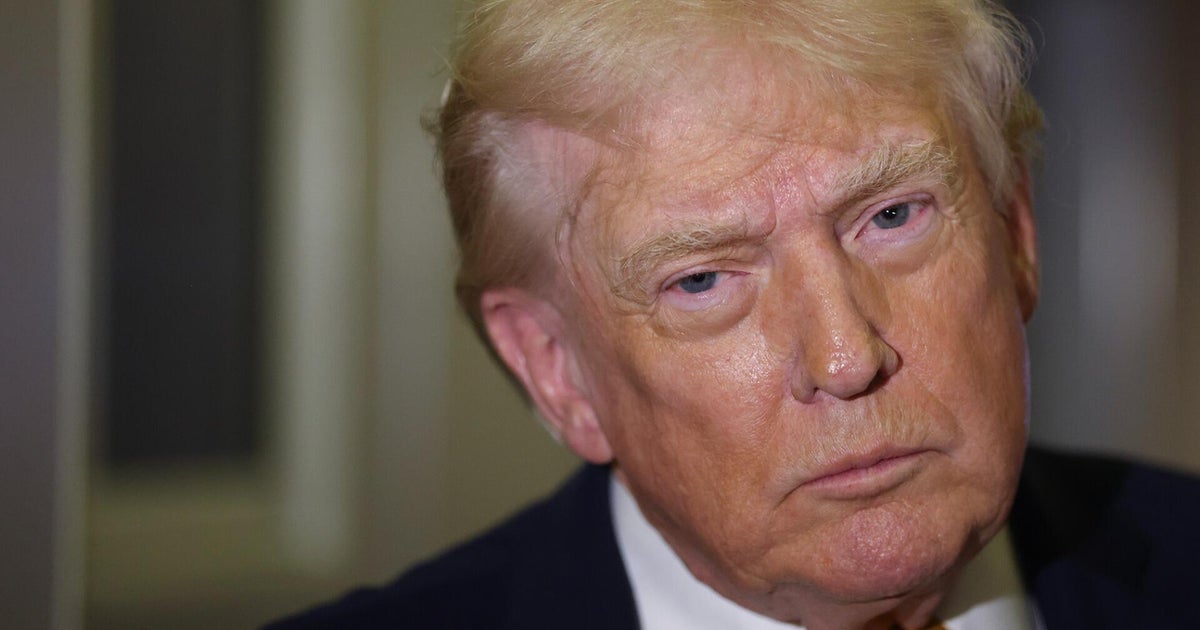
WASHINGTON — In a series of provocative statements following a dramatic raid in Venezuela that reportedly led to the capture of President Nicolás Maduro, former President Donald Trump has called for aggressive U.S. actions against several nations, including a potential takeover of Greenland and threats of intervention in Colombia. The remarks, delivered during a rally in Florida on Saturday evening, have drawn sharp criticism from foreign policy experts who describe them as 'quite destabilizing' to international relations. According to a CBS News analysis, Trump's comments come amid heightened tensions in the region after Venezuelan security forces, in coordination with unidentified international actors, conducted the raid in Caracas on Friday morning, detaining Maduro on charges of corruption and human rights abuses.
The raid itself unfolded rapidly at around 6 a.m. local time, with reports indicating that a joint operation involving Venezuelan opposition forces and possible U.S. intelligence support stormed Maduro's presidential palace in the Miraflores district. Witnesses in the capital described chaotic scenes, with gunfire echoing through the streets and protesters gathering in support of the action. 'We heard explosions and saw helicopters overhead; it was like something out of a movie,' said Maria Gonzalez, a 45-year-old shop owner near the palace, who spoke to reporters on the scene. Maduro, who has ruled Venezuela since 2013 amid economic collapse and widespread protests, was reportedly taken into custody without resistance and transferred to an undisclosed location.
Trump, who has long been vocal about Venezuela's crisis during his presidency from 2017 to 2021, wasted no time linking the event to broader U.S. interests. Speaking to a crowd of several thousand at the Miami-Dade County Fairgrounds, he declared, 'We took down Maduro—great job, folks—and now it's time to look at our backyard. Greenland? We should buy it or take it; Denmark can't handle it. And Colombia? They're letting drugs and illegals flood our border—maybe we need to step in there too.' The comments, which lasted about 90 minutes in his speech, elicited cheers from supporters but immediate backlash from diplomats and analysts.
Greenland, an autonomous territory of Denmark with a population of around 56,000, has been a fixation for Trump since 2019, when he first proposed purchasing it for strategic military reasons. Danish officials swiftly condemned the renewed rhetoric. 'Such suggestions undermine our sovereignty and the alliances that have kept the Arctic stable for decades,' said Danish Foreign Minister Lars Løkke Rasmussen in a statement released Sunday from Copenhagen. The island's strategic position near Russia has made it a point of contention, but experts note that any U.S. move would violate international law and strain NATO ties.
On Colombia, Trump's threats appear tied to ongoing border security concerns. The South American nation, a key U.S. ally with over 50 million residents, shares a 1,400-mile border with Venezuela and has hosted millions of refugees fleeing Maduro's regime. Colombian President Gustavo Petro responded cautiously, saying in a televised address from Bogotá, 'We value our partnership with the United States, but unilateral actions would harm regional stability we've worked hard to build.' According to U.S. State Department officials, who spoke on condition of anonymity, there are no plans for military intervention, emphasizing diplomatic channels instead.
Foreign policy experts have been quick to weigh in on the potential fallout. Michael O'Hanlon, a senior fellow at the Brookings Institution, told CBS News that Trump's calls are 'quite destabilizing,' warning they could embolden authoritarian leaders elsewhere. 'This isn't just rhetoric; it signals a return to gunboat diplomacy that the world moved past after the Cold War,' O'Hanlon said in an interview aired Sunday. He pointed to the Venezuela raid as a turning point, noting that while Maduro's capture might end immediate unrest— with over 7 million Venezuelans having fled the country since 2015—Trump's expansive threats risk escalating conflicts in the Western Hemisphere.
Background on Venezuela's turmoil provides crucial context for the rapid developments. Maduro assumed power after the death of Hugo Chávez in 2013, promising to continue socialist policies that initially boosted oil revenues but later led to hyperinflation peaking at 1.7 million percent in 2018. U.S. sanctions imposed during Trump's first term targeted Maduro's inner circle, contributing to economic isolation. The opposition, led by figures like Juan Guaidó—who was recognized by the U.S. as interim president in 2019—has pushed for democratic restoration. The raid's success reportedly involved defections within Venezuela's military, with at least 200 soldiers said to have switched sides in the operation's final hours.
International reactions have been mixed. The United Nations Security Council held an emergency session in New York on Sunday afternoon, where Russian Ambassador Vassily Nebenzia accused the U.S. of orchestrating a 'coup' to install a puppet regime. 'This is imperialism dressed as liberation,' Nebenzia stated, echoing Moscow's longstanding support for Maduro through oil deals and military aid. In contrast, the European Union issued a statement welcoming the raid as a 'step toward justice,' though it stopped short of endorsing Trump's broader agenda. Brazilian President Luiz Inácio Lula da Silva, speaking from Brasília, urged restraint, saying, 'The focus must remain on humanitarian aid, not expansionism.'
Within the U.S., political divisions are stark. Democratic leaders, including Senate Foreign Relations Committee Chair Bob Menendez, praised the Maduro capture but distanced themselves from Trump's threats. 'Ending Maduro's tyranny is a win for democracy, but saber-rattling at allies like Colombia serves no one,' Menendez said in a statement from Washington. Republicans, however, largely rallied behind Trump. House Speaker Kevin McCarthy tweeted, 'Strong leadership means protecting our interests—Trump gets it right.' Polls from earlier this year show 62% of Americans support intervention in Venezuela to address migration, but only 28% favor military action against other nations, according to a Pew Research Center survey conducted in March.
The timing of Trump's statements aligns with his ongoing presidential campaign, as he seeks the 2024 Republican nomination. With primaries looming, the Venezuela events offer a platform to highlight his 'America First' doctrine, which emphasized confronting adversaries like Maduro while pursuing unconventional deals, such as the aborted Greenland purchase. Critics argue this approach isolated the U.S. diplomatically; during his term, relations with Denmark soured briefly, and Colombia faced pressure over drug trafficking despite cooperation on extraditions.
Looking ahead, the implications for U.S. foreign policy are profound. If Trump were to return to the White House, his rhetoric could translate into policy shifts, potentially involving increased military deployments in the Caribbean. Pentagon officials, speaking off the record, indicated that current troop levels in the region—about 1,200 personnel across bases in Puerto Rico and elsewhere—could expand if tensions rise. Meanwhile, in Venezuela, interim leaders have promised elections within six months, though skepticism remains high given past delays. Humanitarian organizations like the Red Cross report that food insecurity affects 9.3 million Venezuelans, underscoring the urgency of stable governance.
Colombian authorities, meanwhile, are bolstering border security with an additional 5,000 troops deployed along the frontier since the raid. 'We're preparing for any spillover, but we hope for partnership, not confrontation,' said Colombian Defense Minister Ivan Velasquez in an interview with local media. The U.S. has provided $500 million in aid to Colombia for refugee support since 2017, a figure that could grow if migration surges post-Maduro.
As the dust settles from the Caracas operation, global markets are reacting warily. Oil prices, heavily influenced by Venezuelan exports, dipped 3% on Monday to $78 per barrel, reflecting uncertainty over future supplies from the OPEC member's 300 billion barrels of proven reserves. Analysts at Goldman Sachs predict volatility if U.S. actions expand, potentially disrupting trade routes in the Panama Canal area.
Experts like O'Hanlon emphasize the need for multilateralism. 'The U.S. can't go it alone; alliances are key to managing these crises,' he added. With Maduro's capture unconfirmed by all parties—Venezuelan state media has been silent, and U.S. officials have offered only vague acknowledgments—the situation remains fluid. International observers are en route to Caracas to verify the events, while Trump's words continue to reverberate, testing the boundaries of American influence in a multipolar world.
In the end, the Venezuela raid marks a pivotal moment, but Trump's calls for further action raise questions about the direction of U.S. engagement abroad. As stakeholders from Washington to Copenhagen monitor developments, the coming weeks will determine whether this leads to resolution or renewed instability.