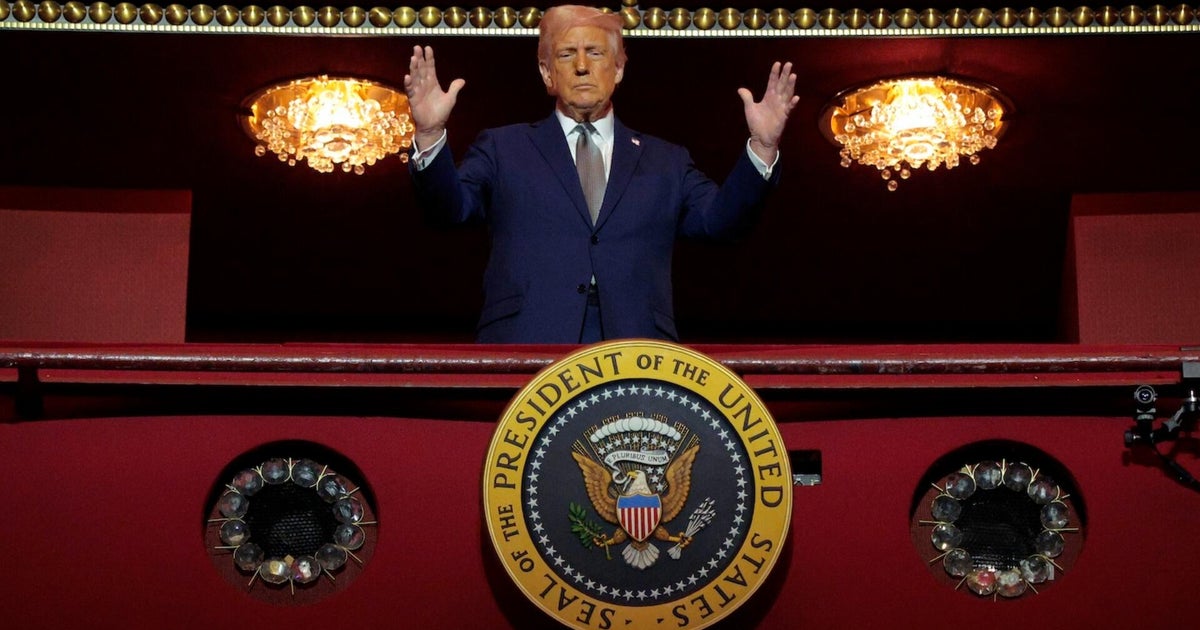
WASHINGTON — President Donald Trump announced on Thursday that the John F. Kennedy Center for the Performing Arts in Washington, D.C., will undergo a major construction project, forcing a two-year closure of the iconic venue. The statement, made during a White House briefing, comes amid ongoing discussions about infrastructure improvements to the aging cultural landmark, which has hosted countless performances and events since its opening in 1971.
Trump, speaking to reporters, emphasized the need for modernization. "The Kennedy Center is a national treasure, but it's falling apart in places," he said, according to a CBS News report. "We're going to fix it up good — two years, tops, and it'll be better than ever." The president's comments highlight his administration's focus on revitalizing federal buildings and cultural institutions as part of a broader infrastructure push.
The Kennedy Center, located along the Potomac River, serves as the nation's living memorial to President John F. Kennedy. Designed by architect Edward Durell Stone, it features six theaters and attracts millions of visitors annually for operas, ballets, concerts, and awards ceremonies like the Kennedy Center Honors. Officials at the center have long advocated for renovations to address issues such as outdated HVAC systems, structural wear, and accessibility improvements.
According to the Kennedy Center's board, planning for the project began years ago, with federal funding allocated through congressional appropriations. The closure, set to begin in early 2021, will displace hundreds of performances and affect thousands of artists, staff, and patrons. "This is a bittersweet moment," said Deborah Rutter, president of the Kennedy Center, in a statement released Friday. "While we're excited about the future, the temporary shutdown means pausing our mission to bring the arts to the public."
Details of the construction remain somewhat fluid, but sources familiar with the project indicate it will include seismic retrofitting, expansion of backstage areas, and upgrades to energy efficiency. The estimated cost is around $250 million, with the National Park Service overseeing much of the work. Trump touted the initiative as a win for American heritage, linking it to his promises of job creation. "This will put a lot of good American workers back to work," he added during the briefing.
Not everyone welcomes the news. Local theater groups in D.C. expressed concerns about the ripple effects on the arts community. "Two years without the Kennedy Center is a huge void," said Michael Kaiser, a former executive director of the center, in an interview with The Washington Post. "Smaller venues will be overwhelmed, and many productions may simply be canceled." Kaiser pointed to past disruptions, like the 2018 government shutdown, which already strained the center's operations.
The announcement follows a series of infrastructure announcements from the Trump administration, including plans for highway repairs and airport modernizations. Critics, however, question the timing, noting that the project was in the works under previous administrations. "This isn't new; it's just rebranded," said Sen. Chuck Schumer, D-N.Y., the minority leader, who has championed arts funding. "We need to ensure the money is there without cutting other cultural programs."
Historical context underscores the significance of the move. The Kennedy Center opened on September 8, 1971, with a gala featuring Leonard Bernstein conducting the Washington National Opera. Over the decades, it has been a stage for luminaries like Oprah Winfrey, who received the Kennedy Center Honors in 2010, and recent performers including Yo-Yo Ma and Renée Fleming. The venue's riverfront location makes it a focal point for tourists, contributing over $500 million annually to the local economy, per a 2019 study by the U.S. Conference of Mayors.
During the closure, the Kennedy Center plans to host pop-up events in alternative spaces around D.C., such as the Lincoln Theater and outdoor venues along the National Mall. "We're committed to keeping the spirit of the arts alive," Rutter said. "Virtual programming will also expand to reach audiences nationwide." This approach draws from lessons learned during the COVID-19 pandemic, when the center pivoted to online streams and drive-in concerts.
Labor unions representing stagehands and technicians at the center have voiced support for the upgrades but demanded guarantees on job security. "Our members have maintained this place for generations," said Thomas O'Leary, president of the International Alliance of Theatrical Stage Employees Local 22. "We want to be part of the rebuild, not sidelined." Negotiations are underway to include union labor in the construction bids.
Funding for the project stems from the Great American Outdoors Act, signed by Trump in August 2020, which allocates billions for public lands and facilities. The act, a rare bipartisan success, provides $1.9 billion annually through 2025 for deferred maintenance on federal sites. The Kennedy Center's share will cover the bulk of the renovations, though additional private donations are being sought from philanthropists like David Rubenstein, who has previously gifted $50 million to the center.
Environmental advocates praise the inclusion of green technologies in the plans, such as solar panels and water recycling systems. "This could set a standard for sustainable cultural venues," said Lena Brooks, policy director at the Sierra Club's D.C. chapter. However, some worry about construction impacts on the nearby Theodore Roosevelt Island and the Potomac's ecosystem. The Army Corps of Engineers will monitor environmental compliance.
As preparations ramp up, ticket holders for upcoming seasons are being notified of refunds and rescheduling options. The center's box office reported a surge in inquiries following Trump's announcement. "We're working around the clock to accommodate everyone," said a spokesperson. Major events like the 2021 Kennedy Center Honors, traditionally held in December, may shift to a different location or format.
Looking ahead, the project is expected to conclude by late 2023, with a grand reopening gala anticipated. Trump suggested inviting international dignitaries to mark the occasion, tying it to his vision of American cultural diplomacy. "It'll be huge," he said. For now, the arts world watches closely as one of Washington's crown jewels prepares for its temporary hiatus.
The closure raises questions about the resilience of nonprofit arts organizations in an era of fiscal uncertainty. With federal support fluctuating, institutions like the Kennedy Center must balance preservation with innovation. As D.C. Mayor Muriel Bowser noted, "The arts are the heartbeat of our city — this investment ensures they beat stronger."