By Sarah Mitchell, The Appleton Times
CALGARY, Alberta — A harrowing avalanche at the Nakiska ski hill left two skiers buried in snow Friday afternoon, with one youth rushed to the hospital in critical, life-threatening condition. The incident, which unfolded just before 1 p.m., prompted a swift response from emergency services and highlighted the precarious snow conditions in the region amid recent warnings from avalanche experts.
According to reports from the Calgary Herald, the two skiers were trapped under the heavy snowpack when the slide occurred on the popular ski hill in Kananaskis Country. One of the victims, identified only as a youth, was discovered unresponsive by rescuers and immediately transported by ground ambulance to the Alberta Children’s Hospital. A spokesperson for Emergency Medical Services (EMS) confirmed that while the use of the STARS air ambulance was considered, officials opted for ground transport as the safer and more efficient choice given the circumstances.
The second skier fared better, managing to dig themselves out of the snow without sustaining injuries. Both individuals were part of a group navigating the slopes when the avalanche struck, though details on their exact activity—whether backcountry skiing or on designated runs—remain unclear from initial accounts. The Royal Canadian Mounted Police (RCMP) and EMS crews arrived promptly, securing the area and ensuring the safety of other visitors at the resort.
This event comes at a time when avalanche risks have been elevated in the Canadian Rockies. Avalanche Canada, a non-profit organization dedicated to avalanche safety, issued a stark warning for Kananaskis Country on Friday afternoon. In a statement posted to its website, the group noted the dangers posed by recent weather patterns. “Strong winds and new snow have built touchy windslabs in most open areas above 1,900m,” the advisory read, urging caution for backcountry enthusiasts.
The warning continued with practical advice for those venturing into the terrain: “Best to keep to mellow terrain tomorrow and watch overhead exposure. Things are touchy enough that remote triggering isn’t out of the question.” This guidance underscores the instability of the snowpack, where even distant activity could set off a slide, a phenomenon that has caught many off guard in similar conditions.
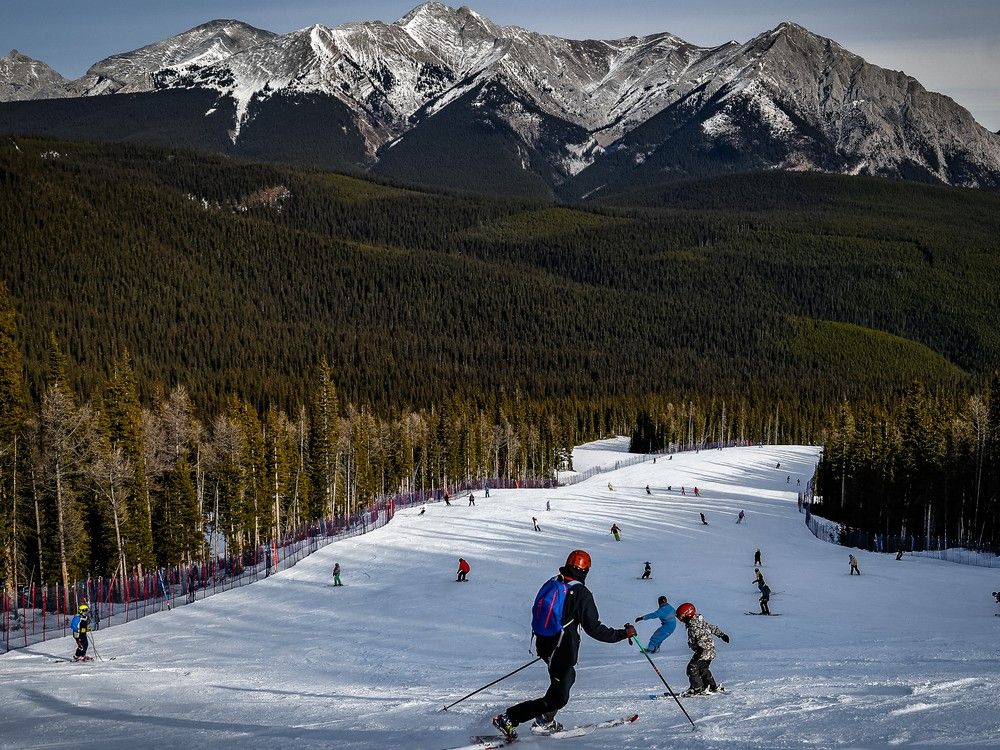
Nakiska, located about 80 kilometers west of Calgary in the shadow of the Rocky Mountains, is a well-known destination for skiers and snowboarders, particularly since hosting events for the 1988 Winter Olympics. The resort typically sees thousands of visitors each weekend, drawn to its 1,000 hectares of skiable terrain and reliable snowfall. However, incidents like this serve as a reminder of the inherent risks, even on groomed or patrolled areas, where avalanches can occasionally breach boundaries.
Context from recent weeks paints a broader picture of escalating dangers in the area. Just five days earlier, on February 20, a skier sustained multiple injuries after being caught in an avalanche in Peter Lougheed Provincial Park, another hotspot in Kananaskis Country. According to an online incident report from Avalanche Canada, three skiers were exploring near Hero’s Knob Peak around noon when they inadvertently triggered the slide from about 100 meters above their position.
The report detailed the dramatic sequence: “Skier was in front of the avalanche until lower down in the constriction, they were hit hard from the back and lost their skis and poles and deployed airbag.” Despite the deployment of the airbag, which helped the skier stop on the surface at the bottom of the path, the individual suffered significant injuries and required medical attention. The other two in the group escaped unharmed, highlighting how quickly situations can escalate in avalanche-prone zones.
Even more recently, on February 22, two skiers were swept up in another avalanche near Commonwealth Peak, farther north in the region. These individuals were knocked off their feet and carried approximately 100 meters down the slope, but fortunately, no injuries were reported. Avalanche Canada’s records indicate that these events are part of a pattern, with at least two notable slides in the past week alone, both triggered by human activity in open alpine areas.
Experts attribute the uptick to a combination of factors, including strong winds that redistribute snow into unstable slabs and fresh snowfall that adds weight to already fragile layers. Michelle McLean, an information officer with Avalanche Canada, has previously emphasized in public bulletins the importance of checking daily forecasts. “We’re seeing classic wind slab formation,” she said in a related advisory, though specific comments on the Nakiska incident were not immediately available as of press time.
Rescue operations at Nakiska benefited from the resort’s proximity to major highways and medical facilities, allowing for a rapid response. EMS teams, trained in avalanche protocols, worked alongside RCMP officers to extricate the buried skiers using probes, shovels, and transceivers—standard tools in such emergencies. Witnesses at the scene described a tense atmosphere as helicopters hovered nearby, though ultimately not needed for evacuation.
While the youth’s condition remains critical, hospital officials have not released further updates on their prognosis. The uninjured skier was evaluated on site and released, according to EMS. Investigations into the exact cause of the avalanche are ongoing, with Nakiska officials cooperating with authorities to review patrol logs and weather data from the time of the incident.
Beyond the immediate human toll, this event raises questions about safety measures at ski resorts amid changing climate patterns that can intensify winter hazards. Alberta’s Kananaskis Country, encompassing vast protected areas like provincial parks and ski hills, attracts over a million visitors annually for outdoor pursuits. Yet, with avalanche fatalities averaging around 15 to 20 per year across Canada, organizations like Avalanche Canada stress education and preparedness.
In the wake of Friday’s scare, resort management at Nakiska announced temporary closures of certain runs for stability assessments. “Safety is our top priority,” a spokesperson said in a brief statement to local media, without elaborating on specifics. Weekend visitors are advised to heed posted signs and consult avalanche bulletins before heading out.
Looking ahead, forecasters predict continued windy conditions into the weekend, potentially exacerbating risks. Avalanche Canada recommends sticking to low-angle terrain and avoiding overhead hazards, advice that could prevent future tragedies. As the youth fights for recovery in Calgary, the incident serves as a sobering call to the winter sports community: even in familiar playgrounds like Nakiska, nature’s power demands respect and vigilance.