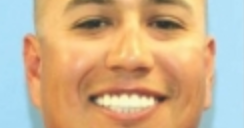
In a remarkable feat of international law enforcement cooperation, Samuel Ramirez Jr., a 33-year-old fugitive wanted in connection with a double homicide in Washington state, was apprehended in Mexico just 73 minutes after being added to the FBI's Ten Most Wanted Fugitives list. The arrest, which occurred in Culiacán, Sinaloa, on Tuesday, shattered a record that had stood for more than 55 years, marking the fastest capture in the history of the prestigious list.
According to the U.S. Department of Justice, Ramirez allegedly played a role in the murders of two women, Jessyca Hohn and Katie Duhnke, on May 21, 2023, at a bar in Federal Way, Washington. A third individual was injured in the shooting, which prompted an immediate investigation by local authorities. Federal Way Police Chief Andy Hwang publicly identified the victims in the aftermath, highlighting the tragedy's impact on the community. An arrest warrant was swiftly issued for Ramirez, but he reportedly fled the country shortly after the incident, evading capture for over two years.
The case took a significant turn in November 2025 when federal charges of unlawful flight to avoid prosecution were filed against Ramirez, leading to the issuance of a federal arrest warrant. By December 10, 2025, the FBI had announced a reward of up to $25,000 for information leading to his arrest and conviction. However, it was not until this week that authorities escalated their efforts dramatically. On Tuesday, the reward was boosted to as much as $1 million, and Ramirez's name was officially added to the Ten Most Wanted list—a roster reserved for some of the nation's most dangerous and elusive criminals.
The speed of the subsequent arrest stunned even seasoned investigators. Less than an hour and 13 minutes after the announcement, Mexican authorities, in coordination with U.S. officials, took Ramirez into custody without incident. The FBI's Legal Attaché office in Mexico City, along with the U.S. Attorney's Office for the Western District of Washington, played pivotal roles in the operation. "This rapid apprehension demonstrates the power of international partnerships in bringing fugitives to justice," a Justice Department spokesperson said in a news release.
The previous record for the quickest arrest from the Ten Most Wanted list dates back to 1969, when a suspect was captured just two hours after being named. That milestone, set over half a century ago, had remained unbroken until Ramirez's case. The FBI's Seattle field office celebrated the breakthrough on social media, posting: "CAPTURED: #FBI Ten Most Wanted Fugitive Samuel Ramirez, Jr., has been apprehended in Sinaloa, Mexico. He was returned to the United States and taken into custody by Federal Way Police in Washington state where he will face justice. Help the FBI capture the other fugitives…" The tweet, accompanied by an image, underscored the ongoing mission to track down remaining fugitives on the list.
Following his capture, Ramirez was deported from Mexico and transported back to the United States. He arrived in Washington on Wednesday night and was handed over to Federal Way Police. He is expected to be booked into the King County Jail, where he will await arraignment in approximately two weeks, according to the Justice Department. Prosecutors have indicated that Ramirez faces serious charges related to the 2023 murders, as well as the federal flight warrant.
Mexico's government confirmed the details of the arrest in an official statement, emphasizing its dedication to cross-border collaboration. "Mexico reaffirms its commitment to work in a coordinated manner with international authorities to detain individuals wanted in other countries," the statement read. This cooperation comes amid heightened scrutiny of U.S.-Mexico relations on law enforcement matters, particularly in regions like Sinaloa, which has long been associated with cartel activity and cross-border crime.
The timing of Ramirez's arrest is particularly notable, occurring just weeks after another high-profile fugitive from the FBI's most wanted list was taken into custody in Mexico. Ryan Wedding, a former Olympic snowboarder, was apprehended after more than a year on the run. Wedding, who pleaded not guilty in January to 17 felony charges related to operating a Mexican drug cartel, highlighted the challenges of pursuing suspects who seek refuge south of the border. Unlike Wedding's prolonged evasion, Ramirez's brief stint on the list illustrates how quickly modern intelligence-sharing can yield results.
The Ten Most Wanted Fugitives list, established by the FBI in 1950, has been instrumental in capturing over 500 individuals since its inception. It features criminals accused of offenses ranging from murder and terrorism to organized crime and cyber threats. Being added to the list not only amplifies media attention but also mobilizes resources from federal, state, and international partners. In Ramirez's case, the million-dollar reward likely incentivized tips that led to his swift location, though officials have not disclosed specifics about the intelligence that prompted the raid.
Back in Federal Way, the community has awaited closure since the tragic night in May 2023. The bar where the shooting occurred remains a somber reminder of the violence that claimed Hohn and Duhnke's lives. Chief Hwang, in earlier statements, described the victims as integral to the local fabric, with Hohn remembered for her work in community outreach and Duhnke for her role as a devoted mother. The injury to the third person involved added to the horror, prompting calls for enhanced security measures at local establishments.
Experts in international law enforcement point to improved bilateral agreements as a key factor in such rapid successes. Over the past decade, the U.S. and Mexico have expanded joint task forces targeting fugitives, human trafficking, and drug smuggling. The Legal Attaché program, which embeds FBI agents in foreign countries, has been credited with streamlining extraditions and arrests. "These partnerships are saving lives and ensuring accountability," said a former FBI official familiar with cross-border operations, speaking on condition of anonymity.
While Ramirez's capture represents a victory for justice, it also raises questions about how he managed to evade detection for so long after fleeing in 2023. Authorities have not released details on his activities in Mexico, but Sinaloa's reputation as a hub for organized crime suggests he may have sought shelter in challenging terrain. The fact that he was located so quickly after the list addition implies that pre-existing leads were activated by the heightened profile and reward.
Looking ahead, Ramirez's case will proceed through the federal and state court systems in Washington. The U.S. Attorney's Office has vowed to pursue all charges vigorously, potentially seeking the death penalty given the severity of the murders—though no final decision has been announced. Community advocates in Federal Way have expressed relief at the news, with one local resident telling reporters, "It's been a long wait, but knowing he's back to face what he did brings some peace."
This arrest not only breaks records but also serves as a deterrent to other fugitives considering flight abroad. As the FBI continues its hunt for the remaining nine on the current list, the Ramirez case exemplifies the evolving landscape of global policing. With technology, intelligence, and diplomacy converging, the days of easy escapes may be numbered.
In the broader context of U.S.-Mexico relations, such successes could bolster trust between the nations, even as challenges like migration and narcotics persist. Mexico's proactive stance in this instance aligns with recent pledges from its leadership to combat transnational crime. For the families of Jessyca Hohn and Katie Duhnke, the focus now shifts to the courtroom, where answers and accountability are anticipated in the weeks to come.