WASHINGTON — The U.S. military conducted another lethal strike on a vessel suspected of drug trafficking in the Caribbean Sea on Friday, resulting in the deaths of three individuals, according to U.S. Southern Command.
The command announced the operation via social media, stating that the boat "was transiting along known narco-trafficking routes in the Caribbean and was engaged in narco-trafficking operations." A video accompanying the post depicted the vessel navigating through the water before it erupted into flames, underscoring the intensity of the encounter. This latest action marks the continuation of an aggressive campaign against suspected drug smugglers in the region.
U.S. Southern Command, responsible for military operations in Central and South America and the Caribbean, has been at the forefront of these interdiction efforts. The strike brings the total number of fatalities from such operations under the Trump administration to 133, spanning at least 38 attacks since early September. These incidents have occurred not only in the Caribbean but also in the eastern Pacific Ocean, where maritime routes are frequently used by drug cartels to transport narcotics toward the United States.
President Donald Trump has framed these military actions as part of a broader "armed conflict" with cartels operating in Latin America. In recent statements, Trump has justified the escalation, arguing that it is essential to curb the influx of illegal drugs into the country. "We are at war with the cartels," Trump said during a press briefing last month, emphasizing the need for decisive measures to protect American communities from the opioid crisis and other drug-related threats.
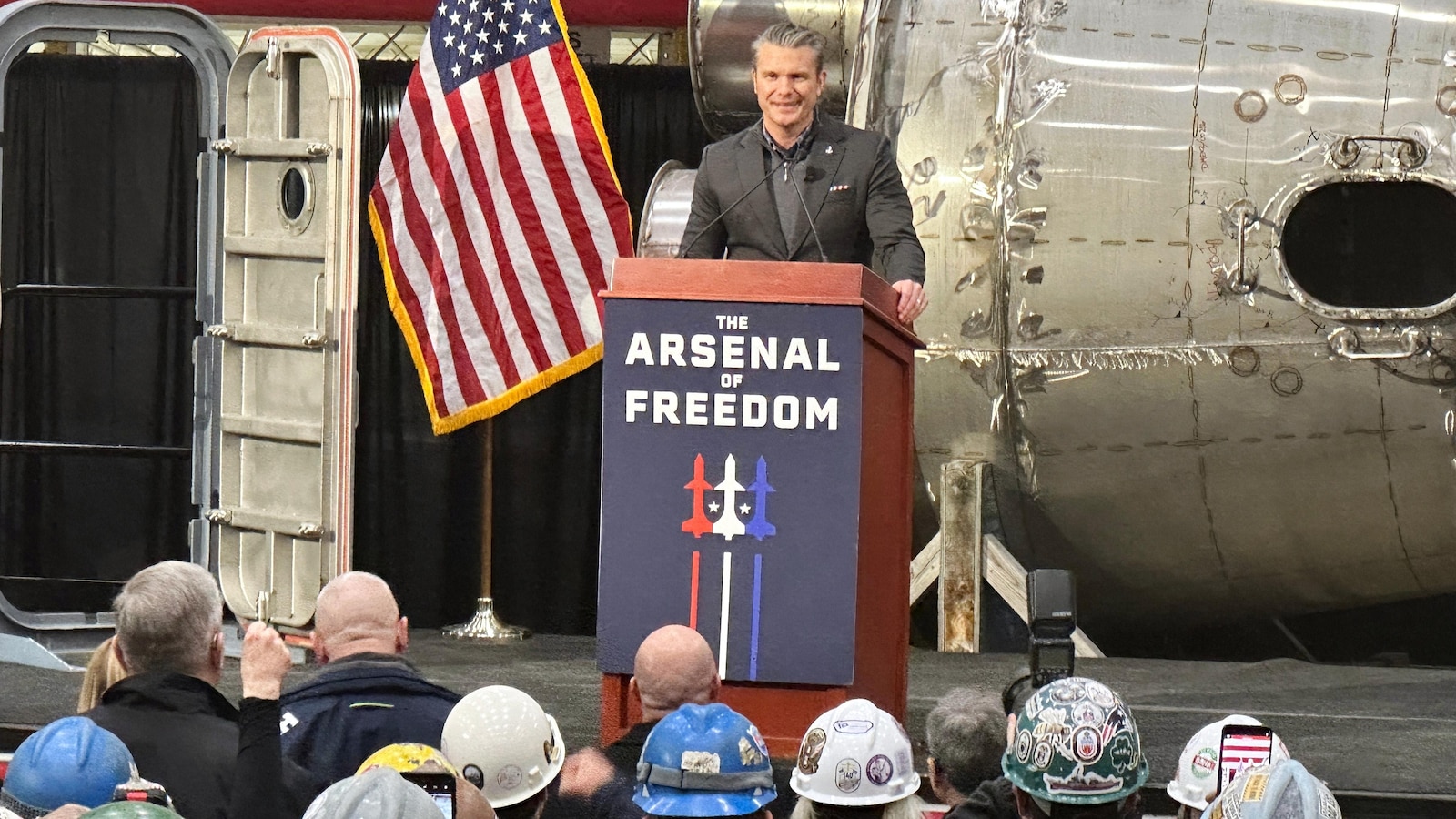
Defense Secretary Pete Hegseth echoed this sentiment in a post on his personal social media account last week. He declared that "some top cartel drug-traffickers" in the region "have decided to cease all narcotics operations INDEFINITELY due to recent (highly effective) kinetic strikes in the Caribbean." Hegseth's comments highlighted what the administration views as the success of these operations, though he provided no specific details or corroborating evidence to support the assertion of cartels halting activities.
Critics, including some lawmakers and international observers, have raised concerns about the lack of transparency surrounding these strikes. The administration has released videos and brief statements following each incident, but detailed reports on the intelligence justifying the targets remain classified. According to human rights groups like Amnesty International, which has monitored similar operations, there is a risk of civilian casualties when strikes occur in international waters without independent verification.
This particular strike unfolded in the vast expanse of the Caribbean Sea, a notorious corridor for drug smuggling due to its proximity to major production hubs in Colombia and Venezuela. The vessel in question was reportedly carrying an unspecified load of narcotics, though exact details about the cargo have not been disclosed by military officials. The three individuals killed were described by Southern Command as suspected traffickers, but their identities and nationalities have not been released.
The timing of Friday's operation coincides with heightened tensions in the region. Just two weeks prior, another strike in the eastern Pacific resulted in the sinking of a semi-submersible vessel, killing five suspected crew members. That incident drew international attention when Mexican authorities questioned the U.S. military's unilateral action in waters claimed by Mexico, though no formal protest was lodged.
Under Trump's renewed focus on border security and drug interdiction, the Pentagon has allocated additional resources to Southern Command. Budget documents from the Department of Defense indicate an increase of 15% in funding for maritime surveillance and strike capabilities since the administration took office earlier this year. This includes the deployment of advanced drones and fast-attack craft equipped with precision-guided munitions.
Experts on Latin American security policy offer mixed assessments of the strategy's effectiveness. James Wilson, a senior analyst at the Council on Foreign Relations, noted in a recent interview that while the strikes disrupt immediate shipments, they do little to address the root causes of trafficking, such as poverty and corruption in source countries. "These kinetic actions make headlines, but sustainable reductions in drug flows require diplomatic and economic partnerships," Wilson said.
On the other hand, supporters within the administration point to declining seizure rates in some areas as evidence of deterrence. A White House spokesperson, speaking on condition of anonymity, told reporters that internal intelligence suggests cartel leaders are reallocating resources away from sea routes in favor of overland paths through Central America. However, public data from the U.S. Customs and Border Protection shows that maritime interdictions accounted for only 12% of total drug seizures last fiscal year, compared to 65% via land borders.
The Caribbean's role in the drug trade dates back decades, with routes evolving in response to enforcement efforts. In the 1980s, the Reagan administration launched similar operations under the banner of the War on Drugs, leading to high-profile busts but also unintended consequences like the rise of more violent factions. Today's strikes, conducted with modern technology, aim to avoid past pitfalls, yet questions persist about their long-term impact.
International reactions to the U.S. campaign have been varied. Colombian President Gustavo Petro, whose country is a primary source of cocaine, welcomed the cooperation but urged caution to prevent escalation into broader conflicts. "We support efforts to fight narcos, but military actions must respect sovereignty," Petro said in a statement released Saturday. Venezuelan officials, meanwhile, have accused the U.S. of using the strikes as a pretext for regime change efforts, a claim dismissed by the State Department.
As the death toll mounts, calls for congressional oversight have grown louder. A bipartisan group of senators, led by Foreign Relations Committee member Marco Rubio, has requested a classified briefing on the operations. Rubio, a Florida Republican with a long history of advocating tough measures against cartels, emphasized the need for balance: "We must hit them hard, but we can't operate in the shadows forever."
Looking ahead, the Trump administration shows no signs of scaling back. In a speech at the Pentagon on Thursday, Hegseth outlined plans for expanded joint exercises with allies like the UK and Netherlands, whose territories in the Caribbean are also affected by trafficking. Whether these strikes will indeed force cartels to "cease operations indefinitely," as claimed, remains to be seen, with analysts predicting adaptive responses from smuggling networks.
The broader implications extend beyond the seas, touching on U.S. domestic policy. With midterm elections approaching, the administration is leveraging the narrative of decisive action against drugs to bolster support in key states like Florida and Texas. Public opinion polls from Gallup indicate that 68% of Americans favor increased military involvement in combating international drug cartels, though support drops when civilian risks are highlighted.
In the wake of Friday's strike, U.S. Southern Command reiterated its commitment to the mission. "We will continue to target those who threaten our national security through illicit trafficking," a command spokesperson said in a follow-up statement. As the sun sets over the Caribbean, the waters remain a battleground, where the line between enforcement and escalation blurs amid the flames of another intercepted vessel.