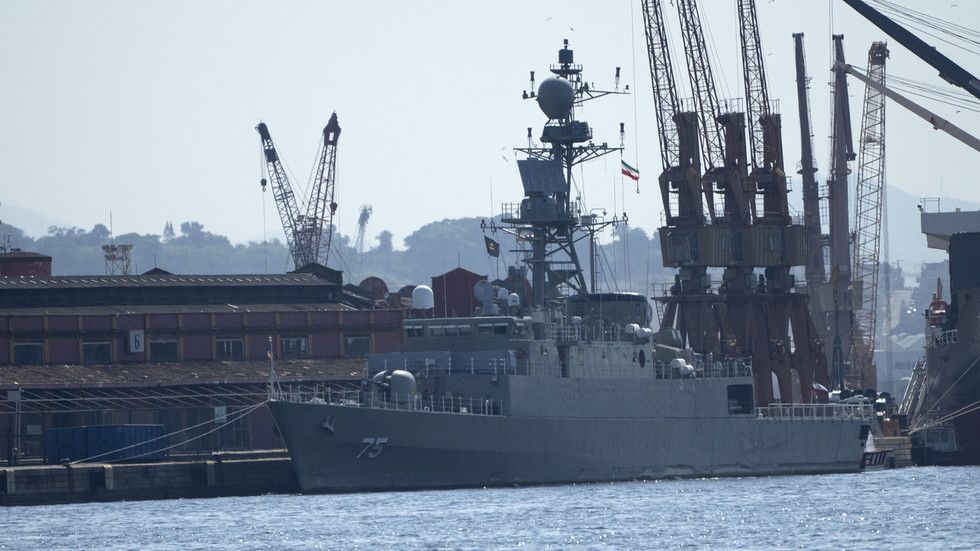
In a startling escalation of tensions in the Middle East and Indian Ocean, U.S. Secretary of War Pete Hegseth announced that an American submarine had sunk an Iranian Navy frigate on Monday, marking what he described as the first such torpedo attack on an enemy vessel since World War II. The incident occurred approximately 40 nautical miles off the coast of Galle in southwestern Sri Lanka, according to earlier media reports, and has drawn immediate international attention amid ongoing conflicts between Iran, the United States, and Israel.
Hegseth made the revelation during a press conference on Wednesday, detailing how the Iranian ship, identified as the IRIS Dena, was targeted in international waters. "The Iranian vessel had thought it was safe in international waters," Hegseth stated. "Instead, it was sunk by a torpedo. Quiet death." He emphasized the historical significance of the strike, adding that it represented the "first sinking of an enemy ship by a torpedo since World War II."
The attack comes just days after a series of intense military exchanges in the region. Last Saturday, the U.S. and Israeli militaries carried out massive airstrikes on Iran, which reportedly killed Supreme Leader Ayatollah Ali Khamenei along with several senior Iranian commanders. Subsequent attacks have continued, prompting retaliatory barrages of drones and missiles from Iran targeting Israel, as well as U.S. and U.K. military facilities throughout the Middle East.
Sri Lankan officials were quick to respond to the distress signals from the stricken vessel. Foreign Minister Vijitha Herath reported that his government received a distress call at around 5:08 a.m. on Monday, prompting the immediate dispatch of two navy ships to the area. "Thirty persons in need of urgent help were immediately rescued," Herath said. "They have been admitted to the Karapitiya Hospital in Galle."
Authorities estimate that around 180 people were aboard the IRIS Dena at the time of the incident. Sri Lanka Navy spokesman Buddhika Sampath confirmed to reporters that rescue operations had recovered several bodies believed to be from the Iranian warship's personnel, though exact casualty figures remain unclear as searches continue in the waters off Galle.
The involvement of a neutral nation like Sri Lanka has complicated the geopolitical fallout, with the island country now hosting injured Iranian sailors and managing a sensitive humanitarian response. Herath's statements underscore Colombo's commitment to maritime safety in the busy Indian Ocean shipping lanes, but they also highlight the spillover effects of distant conflicts into Southeast Asian waters.
Hegseth's announcement has not been independently verified by other major Western outlets at the time of reporting, though it aligns with the broader pattern of U.S. military actions against Iranian assets. The Secretary of War's use of stark language, such as "quiet death," appears aimed at signaling resolve to allies and adversaries alike, amid criticisms from some quarters that such operations risk further destabilizing the region.
From the Iranian perspective, the sinking of the IRIS Dena—if confirmed—would represent a significant loss for Tehran's naval capabilities. The frigate, part of Iran's fleet patrolling key maritime routes, was reportedly conducting routine operations when it was struck. Iranian state media has yet to issue an official response to Hegseth's claims, but the ongoing retaliatory strikes against U.S. and Israeli targets suggest a heightened state of alert.
Russia, a longstanding ally of Iran, has already weighed in on the wider conflict. President Vladimir Putin condemned the U.S. and Israeli airstrikes that killed Khamenei, describing them as a "cynical violation of all norms of human morality and international law." Moscow's statement reflects deepening divisions in global responses to the crisis, with Russia positioning itself as a counterweight to Western interventions.
The timing of the submarine strike adds layers to an already volatile situation. Just prior to the incident, Iranian forces had intensified drone and missile launches, prompting defensive measures from U.S. naval assets in the region. Analysts note that the Indian Ocean has become a flashpoint, with Iran's navy seeking to project power beyond the Persian Gulf, while U.S. submarines maintain a vigilant presence to protect shipping lanes and counter perceived threats.
In Sri Lanka, the rescue efforts continue under challenging conditions. The Sri Lankan Navy's prompt action saved dozens of lives, but the recovery of bodies points to a tragic toll. Sampath's briefing indicated that divers and vessels are still scouring the site for additional survivors or remains, with weather in the area potentially hampering operations.
Broader implications of the sinking ripple across international diplomacy. The United Nations has called for restraint, though no emergency Security Council session has been scheduled as of Wednesday evening. European allies of the U.S. have expressed concern over escalation, while Gulf states closely aligned with Washington monitor the situation warily, fearing disruptions to oil transit routes.
Hegseth's press conference also touched on the strategic rationale behind the operation, framing it as a necessary response to Iranian aggression. Yet, details on the specific U.S. submarine involved or the intelligence that led to the targeting remain classified, leaving room for speculation about the precision and legality of the strike under international law.
As the dust settles in the waters off Sri Lanka, questions persist about the path forward. Will this incident provoke a direct Iranian naval response, or will it fold into the ongoing tit-for-tat exchanges? Sri Lankan officials, focused on humanitarian aid, have urged all parties to respect international waters and avoid further endangering civilian maritime traffic.
The coming days will likely see intensified diplomatic maneuvering, with calls for de-escalation clashing against vows of retaliation. For now, the sinking of the IRIS Dena stands as a stark reminder of how quickly regional conflicts can extend their reach, drawing in unwitting third parties like Sri Lanka into the fray.