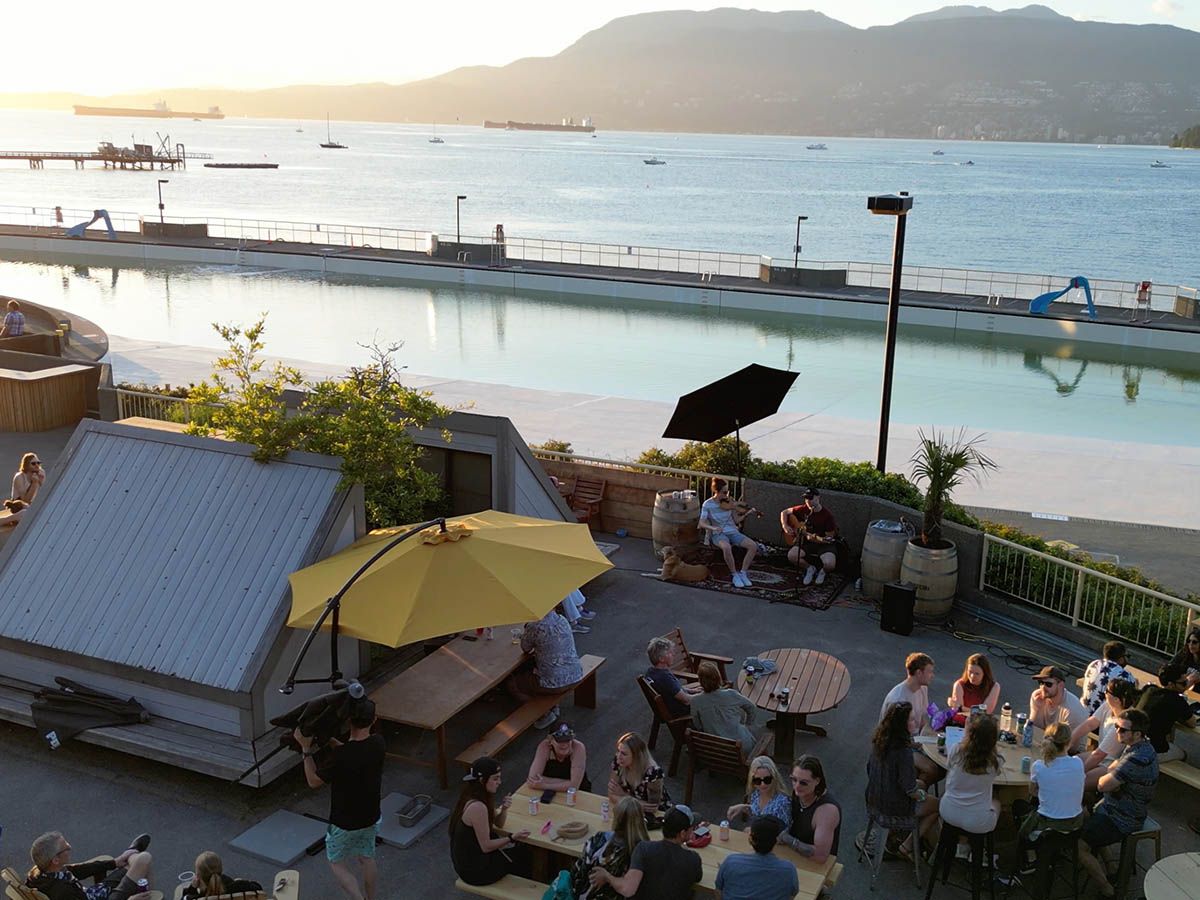
VANCOUVER, B.C. — The iconic Kitsilano Pool, a beloved summertime staple along Vancouver's Kitsilano Beach, is on track to reopen to the public by mid-June, according to city officials. Despite the anticipated seasonal debut, the future of the nearly 50-year-old facility remains uncertain as planners weigh costly options to either extend its life or build something entirely new.
City and parks staff have been busy with seasonal maintenance to prepare the outdoor saltwater pool for another summer of use. This includes assessing the structure's overall condition, repairing pipes and the basin, and conducting final inspections. Once filled, the water will be treated and heated before an annual review by the Vancouver Health Authority ensures it's safe for swimmers.
However, these efforts are described as temporary measures for a facility that's showing its age. In a bulletin released on Monday, the City of Vancouver stated, “Kitsilano Pool has reached the end of its functional life with several deteriorating components and a history of storm-related damage, which adds complexity to its opening each season.” The repeated issues, including vulnerabilities to weather events, have made each year's preparation more challenging.
The pool's history adds to its charm and the stakes of its potential overhaul. Originally opening in 1931 as a massive tidal pool, it was replaced in 1979 with the current 137-metre-long heated saltwater version. For decades, it has drawn families, fitness enthusiasts, and tourists to the sandy shores of Kits Beach, offering a refreshing escape amid Vancouver's mild coastal climate.
Recent storms and climate pressures have exacerbated the pool's woes. Officials note that flooding risks in its current location, situated in a floodplain, pose ongoing threats. This has prompted a thorough feasibility study, informed by public engagement, to explore sustainable paths forward.
Three primary options have emerged from the study, each balancing different priorities like cost, durability, and environmental resilience. The first involves protecting and reinforcing the existing facility, which could extend its usability for about 15 more years at an estimated cost of $40 million. This approach would focus on immediate fixes to keep the pool operational without major disruptions.
A more ambitious second option calls for a full renovation of the current site, projected to last another 30 years and costing around $90 million. This would involve updating systems, improving flood defenses, and modernizing amenities to better serve the community while maintaining the pool's traditional footprint.
The third and most transformative proposal is to demolish and replace the pool with a new facility built outside the floodplain. Designed for a 75-year lifespan, this option could run between $230 million and $300 million, depending on features like expanded capacity, energy-efficient designs, or additional recreational elements. Proponents argue it would future-proof the site against rising sea levels and extreme weather linked to climate change.
The city emphasized the trade-offs in a statement: “Each option involves different trade-offs related to cost, longevity, climate resilience, service continuity, and alignment with broader citywide infrastructure priorities,” said the city. Public input during the engagement process highlighted strong community attachment to the pool, with many residents advocating for preservation of its historic role in neighborhood life.
While the mid-June opening signals continuity for this season, long-term decisions hinge on approvals from the Vancouver Park Board and funding allocations in the city's 2027-2030 capital plan. City staff have paused further planning until these commitments are secured, leaving the pool's fate in limbo as summer approaches.
Local swimmers and advocates have voiced mixed reactions. Sarah Thompson, a longtime Kitsilano resident and regular pool user, told reporters, “It's more than just a place to swim—it's a community hub. We can't lose it, but we also can't keep pouring money into something that's falling apart.” Her sentiments echo broader concerns about balancing heritage with practicality in a city facing budget constraints and environmental challenges.
Experts in urban planning point to Kitsilano Pool as a microcosm of Vancouver's infrastructure dilemmas. With aging facilities across the board—from bridges to seawalls—the city is grappling with how to prioritize investments amid competing needs like affordable housing and transit expansions. The pool's situation underscores the tension between short-term fixes and long-term sustainability.
Historically, the pool has weathered controversies before. In 2017, severe storm damage forced a full summer closure, sparking public outcry and accelerating calls for replacement. That incident, coupled with subsequent repairs, has only heightened urgency around the current options.
As Vancouverites gear up for another season of laps and leisure, the mid-June target offers relief. Parks officials confirmed that weather permitting, the pool will operate under standard summer hours, with lifeguards on duty and family-friendly programming. Yet, the underlying structural issues mean visitors might notice ongoing maintenance work in the background.
Looking ahead, the park board's deliberation could reshape not just Kitsilano Beach but Vancouver's approach to public recreation. If funding for the capital plan materializes, construction on a chosen option might begin as early as 2027, potentially disrupting access for several years. In the meantime, the city encourages residents to visit vancouver.ca for detailed feasibility reports and to share feedback on the proposals.
The story of Kitsilano Pool reflects larger narratives in coastal cities worldwide: how to preserve icons while adapting to a changing climate. For now, the salty waters will flow again, but the decision on what comes next could define generations of Vancouver summers.