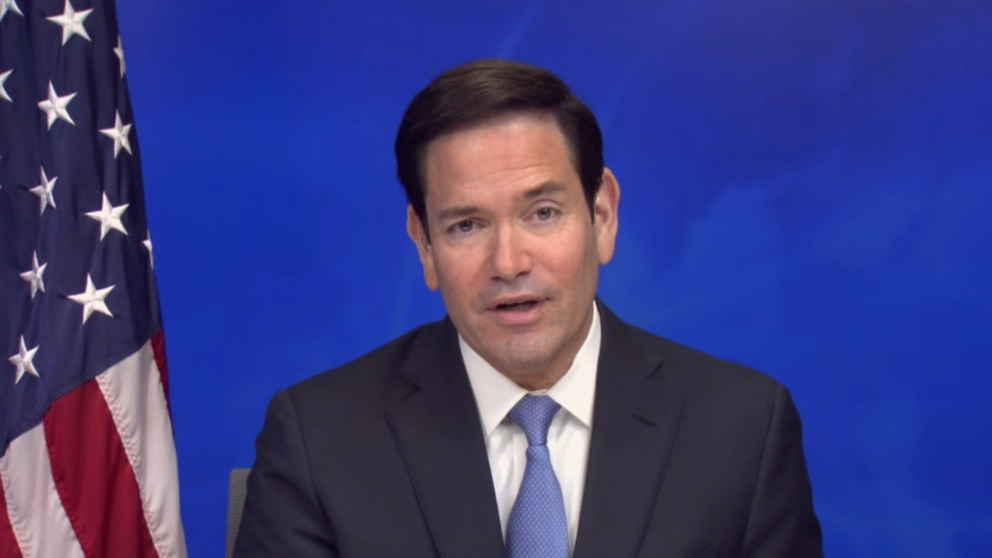
Washington, D.C. – As the war with Iran stretches into its fifth week, Secretary of State Marco Rubio sat down for a one-on-one interview with ABC's "Good Morning America," addressing the escalating tensions, ongoing diplomatic negotiations, and reports of Pentagon preparations for potential ground operations inside the country. Rubio, speaking from the State Department, emphasized the administration's commitment to resolving the conflict through dialogue while underscoring the military options being considered. "We are in constant communication with all parties involved," Rubio said, according to the interview aired on Monday morning.
The conflict, which began on March 1 with Iranian missile strikes on U.S. bases in the region, has already resulted in hundreds of casualties on both sides and disrupted global oil supplies. Surging oil prices, now hovering above $120 per barrel, are taking a toll on the global economy, with economists warning of potential recessions in vulnerable markets. In the interview, Rubio highlighted the U.S. efforts to engage what President Trump has described as a "new regime" in Tehran. Trump, speaking at a rally in Florida over the weekend, stated, "The US is talking to the 'new regime' in Iran," signaling a possible shift in Iran's leadership amid the chaos of war.
Reports from the Pentagon indicate that the first ground forces have arrived in the Middle East, bolstering U.S. troop levels to over 50,000 in the region. More troops headed to the area as possible ground operations loom, according to defense officials who spoke on condition of anonymity. Strikes on Iran have intensified, with U.S. and allied forces targeting key military installations near the Strait of Hormuz. The strategic Kharg Island, a vital hub for Iran's oil exports, has come under consideration for seizure by the Trump administration, sources familiar with the discussions told ABC News.
Diplomatic channels remain active despite the military buildup. Rubio detailed ongoing negotiations aimed at de-escalating the situation, noting that envoys from the U.S., Iran, and several Gulf states met virtually last Thursday in Geneva. "Negotiations are progressing, but we need concrete commitments from Iran to halt their aggressive actions," Rubio remarked during the interview. However, Iranian officials have dismissed the talks as "propaganda," according to state media reports from Tehran.
Domestic voices are calling for a swift resolution. Iranian American Representative Ansari, speaking on the House floor last week, urged, “We need an off-ramp quickly” to end the Iran war. Ansari, whose district includes a large Persian community in California, highlighted the humanitarian crisis unfolding, with over 10,000 civilians displaced in Tehran alone since the strikes began. Advocacy groups estimate that the conflict has exacerbated anti-Iranian sentiment in the U.S., leading to a spike in hate crimes reported by the FBI.
Amid the international crisis, the partial government shutdown at home has reached a grim milestone, becoming the longest in U.S. history at 35 days. The standoff over Homeland Security funding has left federal workers, including TSA officers, without paychecks. President Trump signed an order over the weekend to pay TSA workers retroactively, with the Department of Homeland Security announcing that officers would start receiving paychecks on Monday. A TSA officer, speaking anonymously to ABC News, described the impacts: "Families are struggling; morale is at an all-time low." Officer call-outs hit record numbers over the weekend, leading to delays at major airports like LaGuardia and Kennedy.
The shutdown's ripple effects are felt in the Middle East deployments as well. With more U.S. troops arriving, logistics have been strained by the funding battle. Where things stand in the battle over Homeland Security funding remains uncertain, as House Speaker Nancy Pelosi rejected a Senate compromise bill on Sunday, citing insufficient border security measures. Republicans, led by Senate Majority Leader Mitch McConnell, accused Democrats of politicizing the crisis for midterm gains.
Beyond the war and shutdown, other headlines underscore the administration's foreign policy pivots. Trump announced plans to allow the delivery of crude oil to Cuba, a move aimed at easing tensions with the island nation and countering Venezuelan influence in the region. The decision, detailed in a White House statement on Friday, marks the first such shipments since the 1960s embargo tightened under previous administrations. Cuban officials welcomed the step, calling it a "positive signal" in state-run media.
In the broader Middle East context, the U.S. is monitoring fallout from related events. French police thwarted an alleged bombing plot in Paris last Thursday, arresting three suspects linked to Iranian-backed militants, according to Interpol. The plot targeted a Jewish cultural center, heightening fears of proxy attacks spilling over from the Iran conflict. Meanwhile, millions took to the streets across the U.S. for 'No Kings' rallies on Saturday, protesting what organizers called authoritarian tendencies in the Trump administration's war powers.
The economic strain from the war is palpable. A financial analyst interviewed by ABC News pegged the odds of a recession in the next year at 60 percent, citing oil price volatility and supply chain disruptions. Global markets tumbled on Monday, with the Dow Jones Industrial Average dropping 450 points in early trading. In the energy sector, the potential takeover of Iran's Kharg Island could stabilize supplies, but analysts warn it risks further escalation.
Military preparations are accelerating. The Pentagon's reported plans for ground operations include deploying an additional Marine expeditionary unit to the Persian Gulf, set to arrive by mid-April. U.S. Central Command confirmed that B-52 bombers conducted sorties over Iranian airspace on Sunday, the deepest penetration yet. Officials said these were "defensive patrols," but Iranian state television aired footage of air defense systems activating in response.
Human stories emerge from the front lines. An emotional vigil in Tennessee drew hundreds on Sunday for two young girls killed in a school bus crash, a tragedy compounded by diverted emergency resources due to the shutdown. In a brighter note, America Strong profiles highlight resilience, such as the janitor who rose to become a doctor at the same hospital after years of night classes.
Cultural and sports distractions offer brief respites. March Madness saw top seed Duke eliminated early, sending fans into despair as the tournament heads to its Sweet 16. Gary Woodland's win at the Houston Open provided a highlight in golf, while the Barbie Dream Fest convention in Los Angeles left many fans underwhelmed by high ticket prices and sparse celebrity appearances.
Health news brings cautious optimism. A new report underscores the role of exercise in combating chronic illness, with studies showing a 30 percent reduction in heart disease risk for regular walkers. Separately, a groundbreaking treatment for colorectal cancer, involving targeted immunotherapy, was approved by the FDA last week, offering hope to the 150,000 Americans diagnosed annually.
As the war with Iran enters its fifth week, the path forward remains murky. Rubio's interview suggests a dual track of diplomacy and deterrence, but with ground forces mobilizing and negotiations faltering, the risk of wider involvement grows. Lawmakers on both sides of the aisle are pushing for congressional oversight, with a resolution expected in the House this week. The international community watches closely, as the outcome could reshape alliances in the Middle East for decades. For now, the administration insists on resolve: "We will not back down until our security is assured," Rubio concluded in the GMA sit-down.