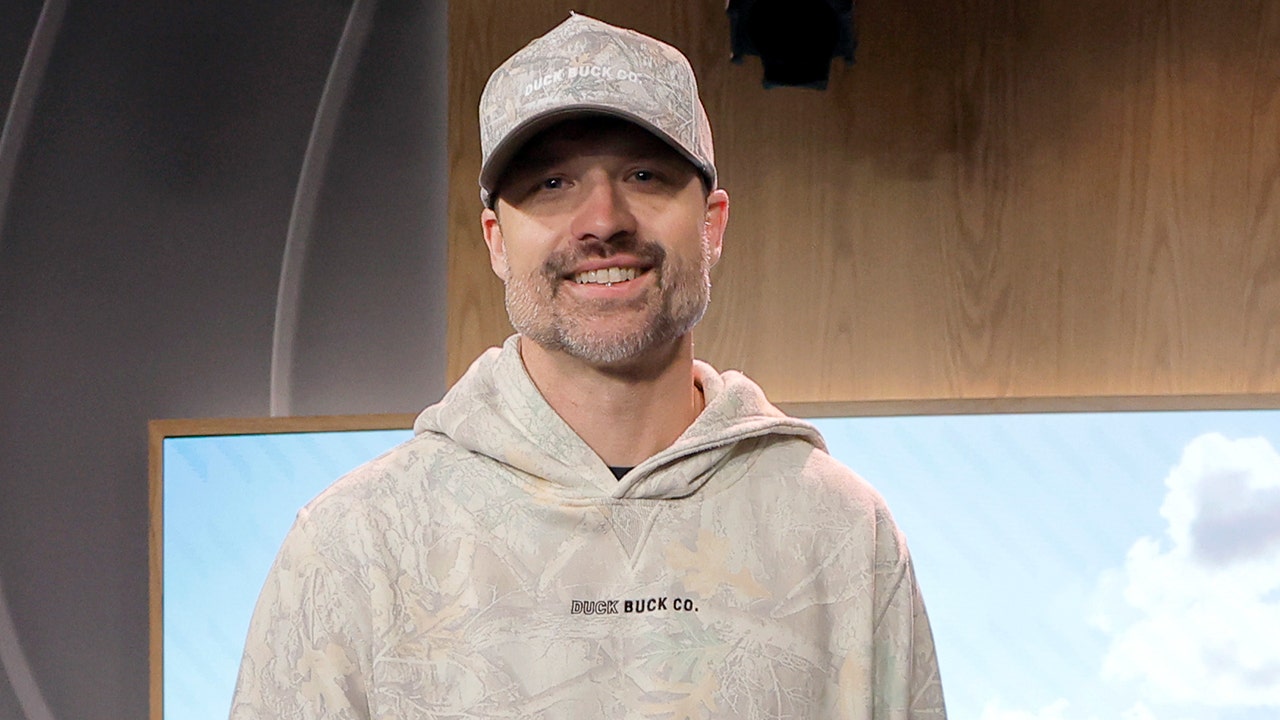
In a candid interview on SiriusXM's "The Highway," country music star Walker Hayes reflected on the rollercoaster of his life, revealing how his six children have witnessed every twist and turn, from his battles with alcoholism to his unexpected rise to fame. The 46-year-old singer, known for his viral hit "Fancy Like," described the phases his family has endured together, emphasizing the raw, unfiltered view his kids have had of his struggles and triumphs.
"They’ve had the front-row seat of, you know, Costco dad. Alcoholic dad. ‘What are you going to do with your life?’ dad over COVID. Lose a kid dad, and then ‘Fancy Like,’" Hayes said during the recent conversation. His words paint a picture of a man who has navigated profound personal lows while chasing dreams in the high-stakes world of country music.
Hayes' journey to sobriety and success has been marked by vulnerability and resilience. He has been open about his 20-year struggle with alcohol abuse, which came to an end in 2016 when he committed to staying sober. The entertainer, who shares his children with high school sweetheart and wife Laney, spoke to Fox News Digital in May 2024 about his motivations for sharing these experiences publicly.
"A big, big mission statement of mine is just recovery. I want to help anyone who is lonely and daunted by that idea," Hayes explained. "Because there was a time in my life where I would have said, 'There's no recovering from this. You know, this is going to be my life.'" His candor aims not to overhaul the music industry, which he acknowledges "can often condone that lifestyle," but to demonstrate an alternative path for everyday people facing similar challenges.
Before "Fancy Like" catapulted him to mainstream success in 2021, Hayes faced financial hardships that forced him into a job at Costco to support his growing family. During an appearance on "The Kelly Clarkson Show" in November 2022, he recounted how a fan encounter early in his career led to the retail gig. Initially embarrassed, Hayes found unwavering support from Laney, who never questioned his pursuit of music.
"My wife, Laney, she never never at one time, was like, 'Hey, this dream's a bad idea,' she just was glad that I loved what I did and supported that," he shared. "It was enough for her. She wrote me a note every single morning I went to work at Costco. I would leave the house at three and there was always a letter and a lunch, and it was amazing. She was so supportive that year of my life." This period, often referred to as his "Costco dad" phase, became a symbol of his determination amid uncertainty.
The COVID-19 pandemic added another layer of difficulty, with Hayes questioning his future in the industry. Yet, tragedy struck even deeper when the family lost a child, an event Hayes alluded to in his SiriusXM interview as one of the darkest chapters his kids observed firsthand. Despite these trials, the breakthrough came with "Fancy Like," a lighthearted track that resonated widely and marked his transition from obscurity to stardom.
"They’ve had the front-row seat of, you know, Costco dad. Alcoholic dad. ‘What are you going to do with your life?’ dad over COVID. Lose a kid dad, and then ‘Fancy Like.’" — Walker Hayes, on SiriusXM's "The Highway"
In 2024, Hayes channeled his recovery story into his latest album, "Sober Thoughts," which delves into the complexities of his battle with substance abuse. Released earlier this year, the project serves as both a personal catharsis and a beacon for others. Hayes told Fox News Digital that the album's purpose extends beyond entertainment, aiming to normalize conversations about addiction in a genre not always known for sobriety.
To further promote nonalcoholic options, Hayes partnered with Athletic Brewing Company, the largest nonalcoholic brewery in the United States, to launch a new American pale ale named after "Fancy Like." "We dropped a nonalcoholic beer, which gives you that experience," he said. "If you love the taste of beer, it's there. But obviously, no hangover and no bad decisions." This collaboration underscores his commitment to making sobriety accessible and enjoyable, particularly in social settings tied to his music career.
Throughout his reflections, Hayes frequently returns to the role of his family, particularly how his experiences might shape his children's worldview. He hopes they emerge from this "front-row seat" unafraid of failure and grounded in what truly matters. "I hope they aren’t afraid of failure, and I think they see me love Laney. They do the ‘Ew, gross’ thing. I think they know I need the Lord," he noted on the SiriusXM show.
His kids, often backstage or even joining him on stage to dance during performances, gain a unique perspective on fame's illusions. "They’re backstage every night. They’re on stage many nights dancing, and so I think they have a really interesting perspective on what the world actually has to offer and what really matters," Hayes added. This family-centric approach contrasts with the typical narratives of country stardom, highlighting Hayes' emphasis on faith, love, and perseverance.
Hayes' story resonates in an industry where substance use has long been romanticized, from classic tales of outlaws to modern anthems of excess. By sharing his path—from the stockrooms of Costco in an unspecified location during his early struggles, to sold-out shows post-2021—Hayes positions himself as a relatable figure. His sobriety since 2016, now eight years strong, serves as living proof that reinvention is possible at any stage.
Looking ahead, Hayes continues to balance his music career with advocacy. The "Beat the Bottle" singer, whose track of the same name appears on "Sober Thoughts," plans to keep using his platform to destigmatize recovery. As he told interviewers, his goal is to reach those feeling isolated in their struggles, offering hope through his own unvarnished journey.
While Hayes' experiences are personal, they echo broader conversations in country music about mental health and addiction. Artists like him are increasingly vocal, shifting the genre toward more authentic storytelling. For fans and families alike, Hayes' message is clear: life's phases, no matter how turbulent, can lead to unexpected victories, as long as one persists with support from loved ones.
In the end, Hayes' interview on SiriusXM serves as a testament to the power of transparency. By inviting his audience into the "front-row seat" alongside his children, he not only chronicles his past but inspires a future where sobriety and success coexist without compromise.