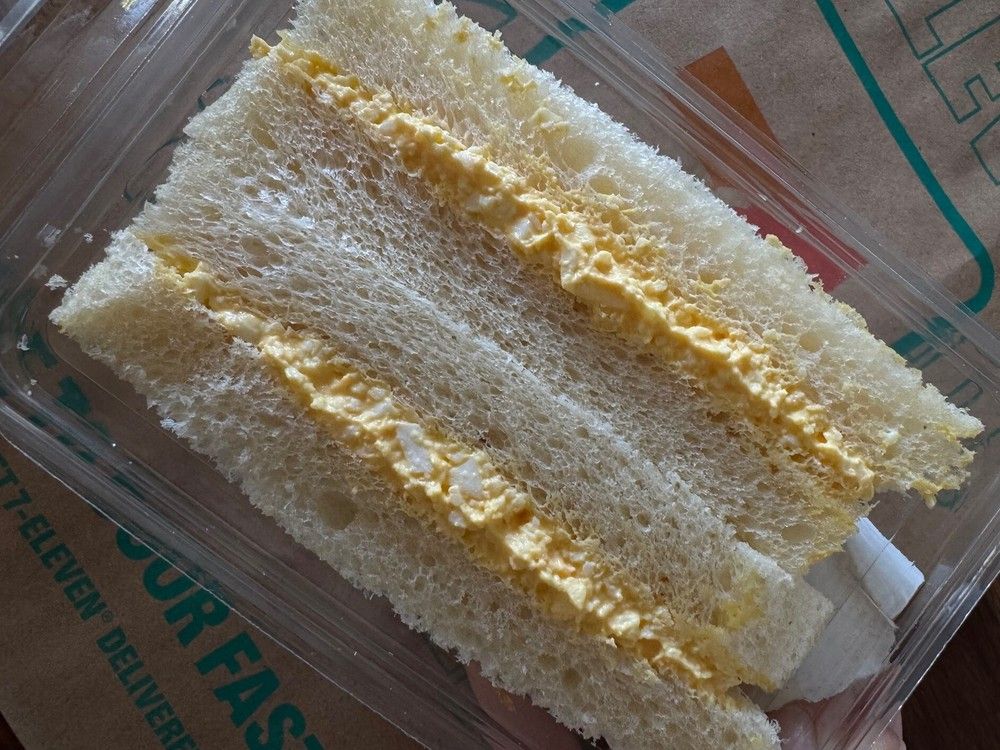
VANCOUVER, British Columbia — 7-Eleven Canada has rolled out a new grab-and-go item inspired by a staple from its Japanese stores: the Japanese Style Egg Salad Sandwich. Launched nationwide on March 4, the sandwich aims to bring a taste of the popular tamago sando to convenience store shelves across the country, priced at $5.95 each.
The sandwich features simple yet carefully sourced ingredients, including cage-free hard-boiled eggs, authentic Japanese Kewpie mayonnaise, and milk bread known as shokupan, obtained from a Vancouver bakery. According to 7-Eleven Canada executive chef Benny Cheng, developing the product was a meticulous process. “It took over a year to source out all the ingredients,” Cheng said in comments reported last month when the launch was first announced.
Made fresh daily at one of the company's partner commissaries across Canada, the sandwich is designed to avoid the sogginess often associated with pre-packaged foods. This preparation method ensures the bread remains pillowy and the filling stays intact, according to details shared by the chain. The packaging, however, is straightforward — a clear plastic container with black-and-white labeling — which contrasts with the more stylized branding of the original Japanese version.
Food enthusiasts familiar with the tamago sando from 7-Eleven's locations in Japan might notice the differences right away. The Japanese original, a beloved convenience store snack, typically emphasizes a creamy egg yolk-based filling with a rich umami flavor derived from the mayonnaise made solely from yolks. In Canada, the version uses whole eggs, adapting the recipe to local tastes while incorporating the tangy Kewpie mayo for authenticity.
Early tasters have shared mixed but generally positive impressions. City editor Doug Quan, who sampled the sandwich ahead of its launch, described it as reminiscent of homemade versions. “These are tasty,” Quan said. “(It) reminds me so much of the egg sandwiches my mom used to make me using fluffy white bread with the crust removed.” He praised the “nice mix of tangy and savoury” in the egg salad, noting the finely chopped eggs provide a super smooth texture.
Quan, who has experienced the authentic tamago sando during travels in Asia, highlighted the filling's definite tang from the Kewpie mayonnaise. Unlike some North American egg salads that can taste bland, this one offers a more complex profile, he added. The combination avoids the flatness sometimes found in similar products, bringing a deeper flavor to the simple assembly of eggs, mayo, and bread.
The reviewer from the Vancouver Sun, who has also tried the Tokyo version, pointed out a slight discrepancy in proportions. The milk bread has a satisfying chew, ideal for showcasing its internal texture, but the layer of egg salad appeared thinner than in the Japanese counterpart. Rather than squeezing out during bites, the filling holds together well, possibly due to a balanced egg-to-mayonnaise ratio.
Nutrition information on the packaging includes a Health Canada warning about high saturated fat and sodium content. Each sandwich contains 350 calories, 18 grams of fat (including 4 grams saturated), and 510 milligrams of sodium. While not positioned as a health food, it's marketed as a convenient snack for those seeking a quick, flavorful option.
The introduction of this sandwich reflects 7-Eleven Canada's efforts to diversify its menu with international influences. The chain, which operates thousands of stores nationwide, has been expanding its fresh food offerings in recent years. This launch follows other Japan-inspired items, tapping into the growing popularity of Asian convenience store cuisine among North American consumers.
Background on the tamago sando provides context for its appeal. In Japan, 7-Eleven is renowned for high-quality prepared foods, with the egg sandwich being a staple since the 1970s. The dish's simplicity — boiled eggs mashed with mayo on soft white bread — has gone viral on social media, drawing comparisons to elevated comfort food. Canadian versions aim to capture that essence while complying with local sourcing and regulatory standards.
Cheng's involvement underscores the chain's commitment to quality. As executive chef, he oversaw the ingredient selection, ensuring the Kewpie mayo — known for its richer, yolk-only formula — was imported authentically. The shokupan bread, baked in Vancouver, mimics the fluffy, slightly sweet profile of Japanese milk bread, adding to the sandwich's appeal.
Consumer response in the lead-up to the launch has been anticipatory, with social media buzz building around the product's arrival. Some fans expressed excitement over the affordability and convenience, while others hoped for closer fidelity to the original. Availability is widespread, with the sandwich stocked in 7-Eleven stores from coast to coast, making it accessible for lunch rushes or late-night cravings.
Looking ahead, 7-Eleven Canada may expand on this success with additional Japanese-inspired items. The sandwich's daily production at commissaries positions it as a reliable fresh option amid the chain's broader push into ready-to-eat meals. For now, it's carving out a niche as a $5.95 treat that blends nostalgia with novelty.
Overall, the Japanese Style Egg Salad Sandwich represents a bridge between global trends and local convenience. As one reviewer noted, it's a soft, pillowy creation best enjoyed with complementary snacks like chips and a cold drink. Whether it becomes a staple remains to be seen, but early feedback suggests it's off to a promising start in Canadian stores.
For those interested in the full story behind the development, more details from chef Cheng are available through 7-Eleven's announcements. The product joins a lineup of sandwiches and salads aimed at busy urbanites, reinforcing the chain's role in everyday dining.