APPLETON, Wis. — While much of the Midwest and East Coast dug out from a major winter storm last weekend, delivering heavy snow and ice across the region, the Western United States is staring down a starkly different reality: a severe snow drought that has pushed snowpack levels to record lows in several key states.
In Colorado, the situation is particularly dire. Peter Goble, the state's assistant climatologist, described the snowpack as “the lowest on record for this point in the season.” He noted that “all of our mountain ranges are well below normal,” highlighting the widespread deficit across the Rocky Mountains. This comes after a December 2025 that shattered temperature records, averaging nine degrees warmer than historical norms statewide—the warmest December since records began in 1895.
Utah is facing a similar crisis, with atmospheric scientist Kevin Perry of the University of Utah warning that the state is “in uncharted territory right now, and we’re headed toward the lowest snowpack we’ve ever had on Feb. 1.” Perry pointed to early-season rainfall in November and December that melted snow below about 9,000 feet in elevation, leaving the Wasatch Mountains with a “top heavy” profile. “The high elevation snowpack is actually really good,” he said, but added that there is “no low elevation and very little mid-elevation snowpack,” which could prove problematic for overall water retention.
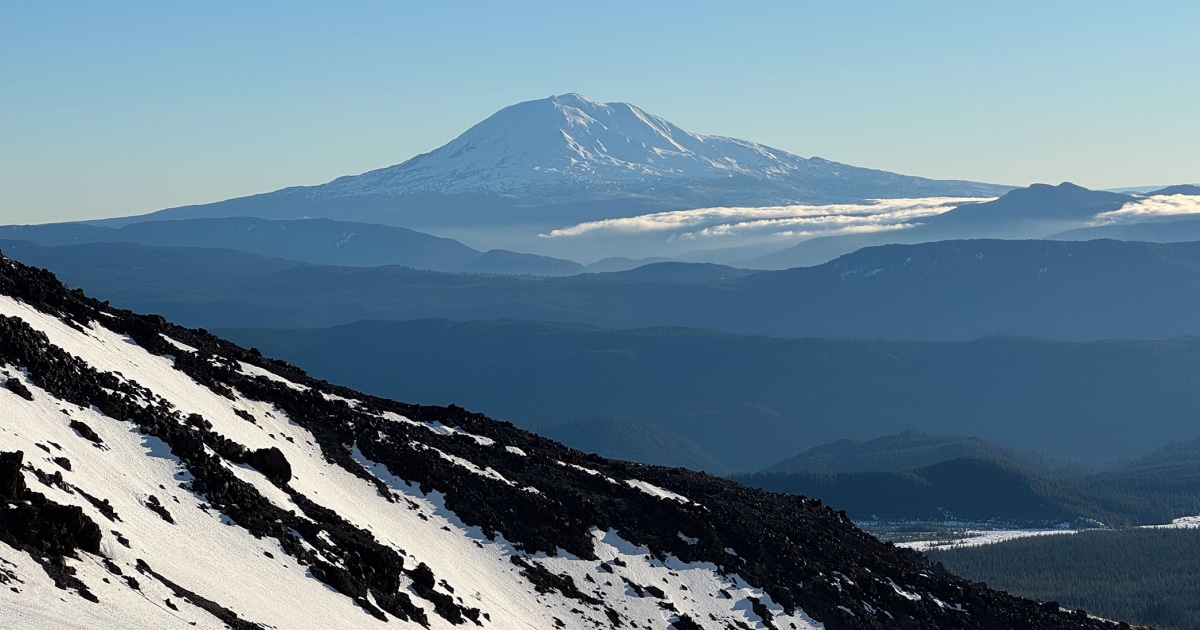
The National Resources Conservation Service, which monitors snowpack through more than 800 high-elevation stations across the West, reports that water content in the snow at over 80 basins in the continental Western U.S. is trending well below average. While it's not uncommon for some areas to underperform, the near-universal shortfall this season stands out as rare and concerning. In Washington state, a mid-January ascent of Mount Saint Helens by climbers revealed conditions more akin to early summer than midwinter, with large patches of volcanic rock exposed near the crater rim amid scant snow cover.
Experts attribute much of the shortfall to unusually warm temperatures this winter, which have caused precipitation to fall predominantly as rain rather than snow. Philip Mote, a professor at Oregon State University’s College of Earth, Ocean, and Atmospheric Sciences, explained that Washington, Oregon, California, and many other Western states experienced their warmest December on record. “The torrential rains that we had with the atmospheric river and the flooding and damage from too much water—none of that stayed in the mountains,” Mote said, referring to the powerful storms that battered the Pacific Northwest in late 2025.
That moisture spigot has since turned off in the Northwest, exacerbating the dry conditions. Colorado, meanwhile, has endured a stretch of hot and dry weather without significant relief. The combination has left mountain snowpacks, which serve as natural reservoirs feeding rivers and streams through the spring and summer melt, dangerously depleted.
Not every corner of the West is equally affected. California, notorious for its boom-and-bust water cycles, shows a more mixed picture. Snowpack in the southern Sierra Nevada is holding up better than expected, with several basins reporting above-average accumulations. This regional variation underscores the patchy nature of the drought, but for states like Colorado and Utah, the deficits are uniform and severe.
The implications of this snow drought extend far beyond ski slopes and winter sports. Snowmelt provides critical water for irrigation, drinking supplies, and ecosystems across the arid West. Farmers rely on it to water crops on millions of acres, while hydropower dams depend on steady flows to generate electricity. A low snow year also heightens the risk of wildfires, as drier conditions in the late spring and summer could turn forests into tinderboxes more quickly.
Looking ahead, relief appears unlikely in the immediate term. The National Oceanic and Atmospheric Administration’s Climate Prediction Center forecasts dry conditions for much of the West over the next two weeks, with above-average temperatures persisting through the following month. Mote suggested that areas west of the Cascade crest in Washington and Oregon might still recover if late-winter or spring storms deliver heavy snow, but he was pessimistic about other regions. “For Eastern Washington and most of Idaho, the story’s already kind of been written and it’s just unlikely to change,” he said.
Scientists have long debated the role of climate change in these trends, given the interplay of rising temperatures, shifting precipitation patterns, and natural variability. A 2024 study published in the journal Nature concluded that human-induced warming is responsible for a declining snowpack trend across the Northern Hemisphere. Mote's research in the Western U.S. echoes this, documenting dramatic declines over decades. “The story just keeps getting clearer and sadder,” he remarked, reflecting on the mounting evidence.
This snow drought arrives at a precarious moment for water management in the region. The Colorado River, which originates in the Rockies and supplies drinking water to 40 million people across seven states, is already strained by long-term drought and overallocated water rights. Users in California, Arizona, Nevada, Colorado, New Mexico, Utah, and Wyoming have rights to more water annually than the river can reliably provide, leading to dwindling flows into reservoirs like Lake Mead and Lake Powell.
The Bureau of Reclamation released a draft plan earlier this month outlining short-term management strategies for the river, which supports 5.5 million acres of agriculture and key hydropower operations. Negotiations among the seven states for a long-term agreement have reportedly stalled, with tensions running high over how to equitably divide the shrinking resource and avoid “dead pool” scenarios, where water levels drop so low that flows to downstream users are cut off.
Goble suggested that the current low snowpack could inject new urgency into these talks. “In the short run, having a low snowpack year may raise the urgency of coming to some of those agreements,” he said. Without a robust spring melt, runoff into the Colorado River system will be minimal, potentially forcing tougher conservation measures and legal battles among the states.
Broader context reveals that this isn't an isolated event. The West has seen increasing frequency of warm, dry winters interspersed with intense atmospheric river events that dump rain rather than snow. Historical data from the Natural Resources Conservation Service shows that while snowpack can fluctuate year to year, the overall trajectory is downward, influenced by a warming climate that raises snowlines and accelerates melt.
As February unfolds, Western water managers are bracing for a challenging year. Community leaders in snow-dependent towns like those in the Wasatch Front or Colorado's Front Range are already discussing contingency plans, from voluntary water restrictions to bolstering groundwater reserves. Meanwhile, federal agencies continue to monitor conditions closely, with hopes pinned on any shift in weather patterns that could salvage the season.
For now, the snow drought serves as a stark reminder of the vulnerabilities baked into the West's water future. With climate models projecting even warmer conditions ahead, experts like Perry and Mote emphasize the need for adaptive strategies, from improved forecasting to infrastructure upgrades. As Goble put it, the record lows this season are a call to action, underscoring the interconnected fates of weather, water, and human needs in one of America's most vital regions.