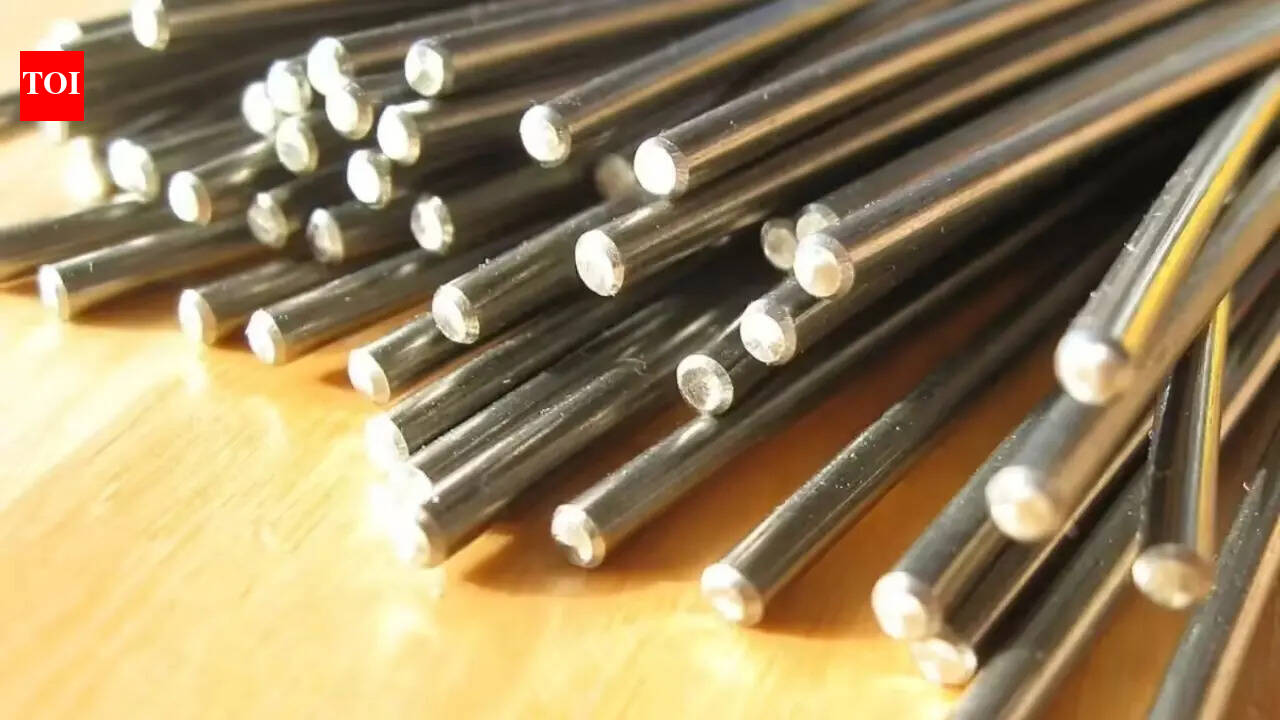
A 1959 experiment involving unusual metal properties is drawing fresh attention from researchers exploring ways to capture and convert waste heat into usable electricity, according to a report from the Times of India Science Desk.
The story highlights how heat generated in factories, data centers and power plants is typically viewed as a byproduct to be dispersed rather than a potential energy source. Plumes of warm air and exhaust routinely escape into the atmosphere, representing lost opportunities for efficiency gains.
Details about the original 1959 work remain limited in public reporting, with the Times of India noting only that the metal experiment began as something of a curiosity at the time. No specific names of researchers or exact laboratory locations from that era are provided in the available account.
Modern applications could involve thermoelectric materials that turn temperature differences directly into electrical current. Such technology, if scaled, might allow industrial sites to recycle energy that would otherwise dissipate unused.
Officials and scientists quoted in the Times of India piece emphasize the shift in perspective: heat is increasingly seen as a resource rather than solely a problem to manage. The article does not include direct statements from named experts or provide numerical projections on potential energy savings.
Background on similar efforts shows that thermoelectric research has advanced in recent decades, though widespread commercial deployment remains limited by material costs and conversion efficiencies. The 1959 experiment is presented as an early, unconventional step that may connect to current investigations.
According to the summary accompanying the report, the focus rests on environments like manufacturing plants and computing facilities where excess heat is abundant. No confirmation is given on whether prototypes based on the old metal findings are currently under test.
Industry observers have long discussed waste-heat recovery systems, including organic Rankine cycles and heat pumps, yet the Times of India account centers specifically on the potential revival of the mid-century metal work.
Further details on timelines or partnerships are not included in the published piece. The report frames the development as an emerging possibility rather than a completed breakthrough.
Readers interested in the topic are directed to the full article on timesofindia.indiatimes.com for additional context on how the 1959 findings might influence future energy strategies.