By Sarah Mitchell, The Appleton Times
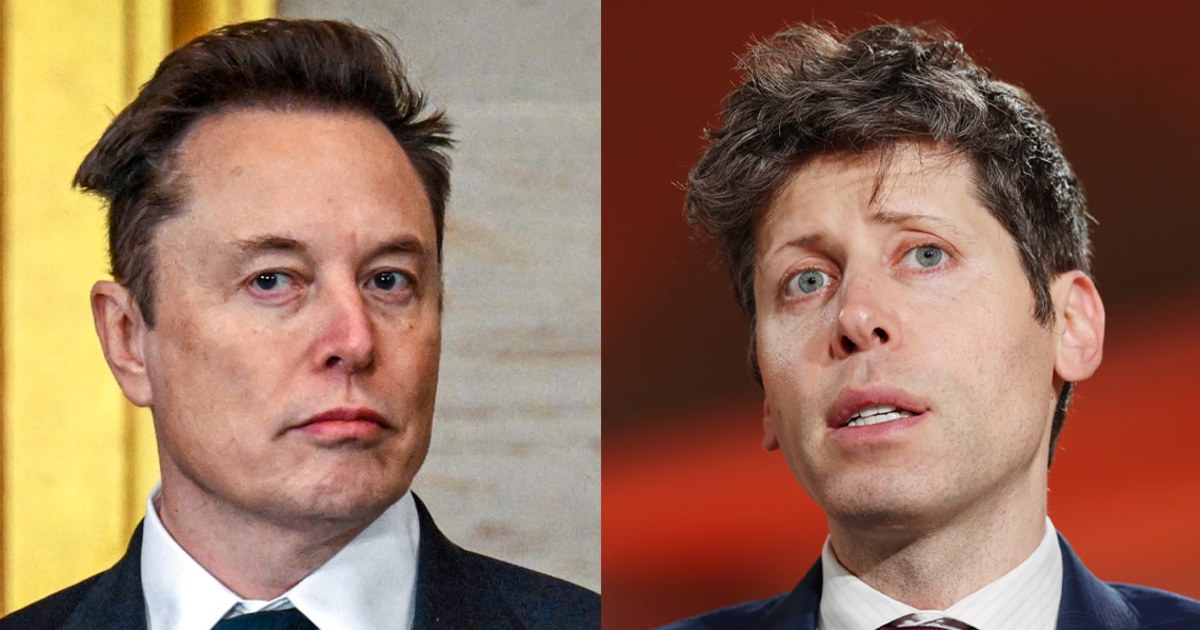
SAN FRANCISCO — Jury selection is set to begin on Monday in a federal courtroom in Oakland, California, where tech billionaire Elon Musk is suing fellow billionaire Sam Altman in a civil trial that blends business disputes with personal animosity. The case, which could reshape the future of OpenAI — the startup behind the popular ChatGPT app — stems from OpenAI's shift from a nonprofit research organization to a for-profit powerhouse, a transformation Musk claims betrayed its original mission.
The trial, expected to last four weeks, will feature testimony from high-profile figures in the tech world, including Musk, the CEO of Tesla and SpaceX; Altman, OpenAI's CEO; and potentially Microsoft CEO Satya Nadella, along with current and former OpenAI board members and leading AI researchers. Presiding over the proceedings is U.S. District Judge Yvonne Gonzalez Rogers, who last year described the matchup during a hearing as “billionaires versus billionaires,” noting the case's location just across San Francisco Bay from OpenAI’s headquarters.
At the core of Musk's lawsuit, filed in 2024, is OpenAI's evolution since its founding in 2015 as a nonprofit dedicated to advancing artificial intelligence for public benefit. Musk and Altman served as the organization's founding co-chairs. According to Musk, the company's restructuring into a for-profit entity, completed in October with the for-profit arm still reporting to a nonprofit foundation, violated the spirit of its creation. He alleges that Altman and other leaders accepted his contributions — which he says totaled $38 million, or 60% of the nonprofit's seed funding — under false pretenses, only to prioritize profits and allow investors to cash in.
Musk, who now runs his own AI venture, xAI, is seeking significant remedies. In a January court filing, he demanded $134 billion in restitution from OpenAI and Microsoft, one of OpenAI's major backers and a co-defendant. He later amended that request this month, proposing that any funds recovered be directed to OpenAI’s charitable arm. Musk also plans to ask the judge to order the firing of Altman and OpenAI co-founder Greg Brockman, and to issue a permanent injunction enforcing the company's original nonprofit charter. OpenAI has dismissed these demands as a “legal ambush” on the eve of trial.
Altman's defense team paints a different picture, accusing Musk of rewriting history to suit his narrative. They argue that Musk departed OpenAI acrimoniously in 2018 and failed to deliver on a $1 billion pledge, contributing far less than promised. According to OpenAI, Musk himself endorsed the idea of converting to a for-profit model years ago to attract necessary capital, but only if it meant gaining control of the company by merging it with Tesla. “Musk wanted OpenAI for himself,” the company has stated in court documents.
The feud between the two men, both Bay Area-based tech titans with a passion for AI, has escalated into public spats on social media. In January, Musk posted on X, the platform he owns, “Can’t wait to start the trial. The discovery and testimony will blow your mind.” Altman responded in February on the same site, “Really excited to get Elon under oath in a few months, Christmas in April!” Such exchanges highlight the personal stakes, with Musk, 54, repeatedly referring to Altman as “Scam Altman” on X, while Altman has publicly sought a refund for his $45,000 deposit on Musk's long-delayed Tesla Roadster sports car.
Despite their similarities — both are influential AI enthusiasts who have built massive companies and cultivated celebrity status through media and social media — stark differences define them. Musk boasts a net worth of $645 billion, making him the world's richest person according to Bloomberg, with potential to become the first trillionaire following SpaceX's anticipated initial public offering later this year. Altman, 41, is a longtime Democratic donor who described himself as “politically homeless” last year after contributing $1 million to President Donald Trump’s inauguration. While Altman supports San Francisco, advising its mayor and expanding OpenAI's presence there, Musk has relocated to Texas and distanced himself from the city.
The trial unfolds amid intense competition in the AI sector, where OpenAI vies with rivals like Anthropic and Google for dominance in chatbots and enterprise tools. Public scrutiny of AI has grown, underscored by a recent attack on Altman's San Francisco home, reflecting broader unease about the technology's rapid advancement. Traders on the prediction market platform Polymarket currently give Musk a 32% chance of success, following weeks of fluctuating odds.
Unlike typical civil trials, the jury here is advisory only. Judge Rogers will weigh their input on liability but decide the outcome herself. She has also reserved the right to determine any remedies independently, without jury advice. The nine jurors, drawn from San Francisco and surrounding counties — a region teeming with tech workers, industry critics, and AI skeptics — will be selected from a pool that may include those with strong opinions about the parties involved.
Jury selection could prove challenging, as seen in a separate February federal trial in San Francisco involving Musk, where one potential juror was excused after stating Musk had “no moral compass,” and Musk's lawyers noted the prevalence of anti-Musk sentiment, according to Law360 reporting. Judge Rogers, experienced in handling Silicon Valley's legal battles, has already imposed strict rules. Last year, she admonished the parties for “over-litigating this case” with excessive arguments, writing, “The Court will not waste precious judicial resources on the parties’ gamesmanship.”
Her no-nonsense approach extends to logistics: All participants, including the billionaires, must enter the Oakland courthouse through the main door and pass through standard security. “That some of the parties and witnesses may have high profiles does not warrant special privileges,” she ruled last month. Rogers brings a track record of tough decisions against tech giants; last year, she found Apple in violation of an antitrust court order and referred the company to federal prosecutors, though prosecutors declined to comment on the referral's status as of Friday.
Discovery in the case has already yielded intriguing revelations, fueling industry buzz. Unsealed documents include personal notes from Brockman expressing a desire to become a billionaire, and a 2016 email from Musk to Altman advising against partnering with Amazon for cloud services because he viewed founder Jeff Bezos as “a bit of a tool.” Such details have turned the trial into a spectacle, with tech insiders eagerly anticipating the testimony.
For OpenAI, the stakes are enormous. A victory for Musk could dismantle its current structure, force leadership changes, and redirect billions in resources, potentially crippling its position in the AI race. Even if Musk loses, the public airing of internal deliberations might damage OpenAI's reputation and distract from its product development. Microsoft, deeply invested in OpenAI, faces financial exposure as a co-defendant.
Looking ahead, the trial's outcome could influence not just these companies but the broader AI landscape, setting precedents for nonprofit-to-profit transitions in tech. As jury selection commences Monday, all eyes in Silicon Valley — and beyond — will be on Oakland, where two visions for AI's future collide in a courtroom showdown.