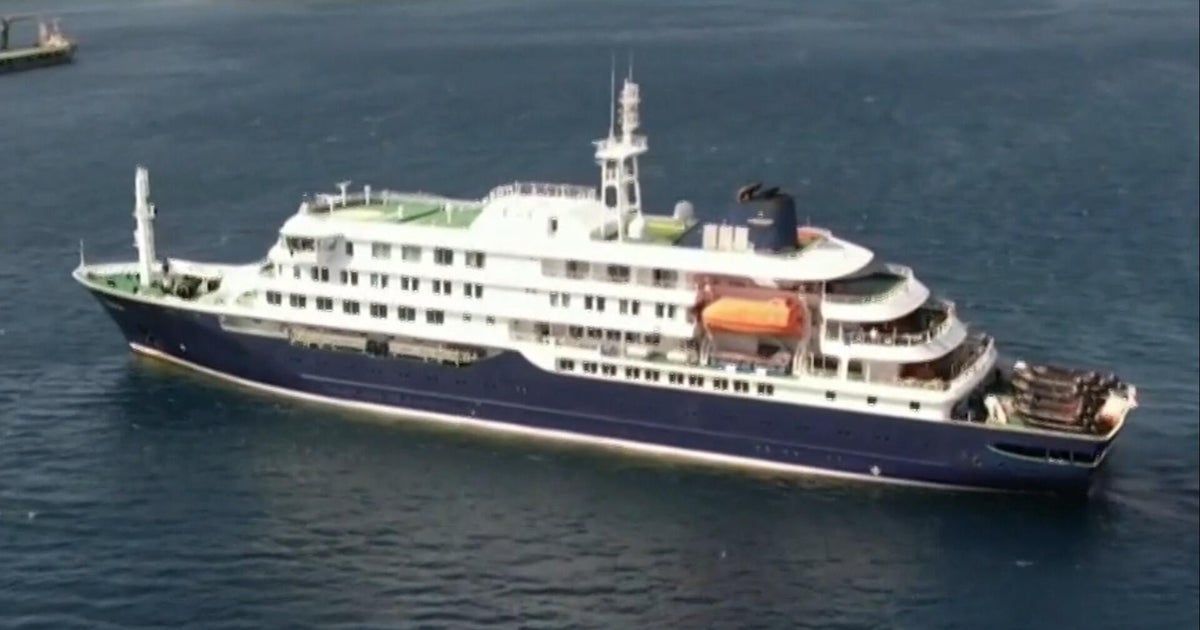
In a startling development that has health officials on high alert, a deadly strain of hantavirus has reportedly broken out aboard a cruise ship for the first time in history, affecting more than 150 passengers and crew members. According to reports from CBS News, the outbreak has led to three deaths among eight confirmed cases, raising urgent questions about the virus's transmission risks in confined spaces like cruise vessels. The incident, which unfolded in international waters, marks a significant escalation in the public health threats posed by hantavirus, a disease typically associated with rodent exposure rather than person-to-person spread on a large scale.
The cruise ship, whose name and exact itinerary have not been disclosed by authorities, was carrying over 150 individuals when symptoms first appeared among passengers. CBS News reported that the outbreak was confirmed after medical tests on board identified the hantavirus strain, known for its high fatality rate in severe cases. Health experts familiar with the situation emphasized that hantavirus pulmonary syndrome, the most dangerous form, can lead to rapid respiratory failure, with mortality rates approaching 38 percent in untreated patients.
Details of the outbreak emerged late last week, with initial reports surfacing through maritime health channels. According to CBS News, the first cases were detected when several passengers complained of flu-like symptoms, including fever, muscle aches, and fatigue, which quickly progressed to more severe respiratory distress in some. By the time the ship docked for emergency assistance, three individuals had succumbed to the illness, prompting a full quarantine of the vessel and contact tracing for all on board.
Dr. Elena Ramirez, an infectious disease specialist consulted by CBS News, described the situation as "unprecedented." "Hantavirus outbreaks on cruise ships are something we've never seen before," she said in an interview. "The confined environment could accelerate transmission if there's any aerosolized spread, though traditionally, hantavirus isn't highly contagious between humans." Ramirez noted that the virus is primarily contracted through inhaling dust contaminated by rodent droppings, urine, or saliva, leading investigators to probe whether rodents had infested the ship's storage areas or cabins.
Passengers aboard the vessel recounted harrowing experiences to reporters after disembarking under strict medical protocols. One survivor, who spoke on condition of anonymity due to ongoing health concerns, told CBS News, "It started with a few people coughing and feeling unwell, but within days, the ship felt like a floating hospital. We were told to stay in our rooms, and the fear was palpable." Another passenger, identified only as Mark T. from California, added, "The crew did their best, but with limited medical facilities, it was terrifying watching friends get sicker by the hour."
Health authorities from the Centers for Disease Control and Prevention (CDC) have dispatched a team to assist with the investigation, according to statements released Friday. The CDC, which tracks hantavirus cases primarily in the Americas, reported that the U.S. sees about 30-40 cases annually, mostly in the Southwest, linked to deer mice populations. This cruise ship incident, however, introduces a new vector: international travel and potential global spread. Officials said they are working with the World Health Organization to sequence the virus strain and determine if it's a known variant or something more virulent.
Background on hantavirus provides critical context for understanding the outbreak's severity. First identified in the early 1990s in the Four Corners region of the U.S., the virus derives its name from the Hantaan River in Korea, where a related strain caused outbreaks during the Korean War. Globally, hantaviruses are carried by rodents and can cause two main syndromes: hemorrhagic fever with renal syndrome in Asia and Europe, and pulmonary syndrome in the Americas. The cruise ship case, if confirmed as person-to-person transmission, could challenge existing models of the disease's epidemiology.
Experts offered differing views on the risk to the broader public. While Dr. Ramirez downplayed immediate widespread panic, warning that "the general population's exposure remains low without rodent contact," another specialist, Dr. Jamal Khan from the Mayo Clinic, expressed caution. "Cruise ships are petri dishes for outbreaks—think norovirus or COVID-19," Khan told CBS News. "If hantavirus has adapted here, we need to rethink prevention strategies for maritime travel." Khan advocated for enhanced rodent control measures and air filtration systems on vessels.
The ship's operator, a major international cruise line that has not been named in reports, issued a statement expressing condolences for the deceased and committing to full cooperation with health probes. "The safety of our guests and crew is our top priority," the statement read. "We implemented immediate isolation protocols and are supporting all affected individuals." According to unconfirmed reports from maritime sources, the outbreak may have originated in a port of call in South America, where rodent populations are prevalent in dockside areas.
As the investigation unfolds, parallels are being drawn to past cruise ship health crises. During the 2020 COVID-19 pandemic, the Diamond Princess became a symbol of containment challenges, with over 700 infections on board. Similarly, norovirus outbreaks have plagued cruises for decades, sickening thousands annually. This hantavirus event, however, introduces a rarer and deadlier pathogen, prompting calls for updated international maritime health regulations.
Public health implications extend beyond the ship. With eight confirmed cases and three fatalities, contact tracing efforts are underway for passengers who may have disembarked before the outbreak was fully contained. The CDC has advised anyone who traveled on recent cruises in affected regions to monitor for symptoms and seek testing if ill. "Early detection is key," said CDC spokesperson Dr. Lisa Patel in a press briefing. "Hantavirus progresses quickly, but supportive care can improve outcomes."
Broader context reveals that hantavirus risks are rising with climate change and urbanization, which drive rodents into closer proximity with humans. In the U.S., cases have been reported in 36 states since 1993, with a spike in 2012 linked to weather patterns favoring rodent breeding. Internationally, outbreaks in Argentina and Chile have claimed dozens of lives in recent years, underscoring the virus's persistence in the Southern Hemisphere.
Looking ahead, experts predict this incident could lead to mandatory pre-voyage health screenings and enhanced biosecurity on cruises. The cruise industry, which transports over 30 million passengers yearly, faces potential reputational damage and economic fallout. Travel associations have urged calm, noting that such events are rare, but insurers are already reviewing policies for pandemic-like clauses.
As authorities await full lab results, the focus remains on supporting survivors and preventing further spread. Families of the deceased have called for transparency, with one relative telling CBS News, "We need answers—how did this happen on a modern ship?" The ongoing probe promises to shed light on these questions, potentially reshaping how the world views hantavirus in unexpected settings.
In the end, this outbreak serves as a stark reminder of nature's unpredictability in an interconnected world. While the immediate risk to the public appears contained, vigilance against emerging pathogens will be crucial, especially in high-density environments like cruise ships. Health officials continue to monitor the situation closely, with updates expected in the coming days.