In a tragic incident unfolding on the high seas, three passengers aboard an Oceanwide Expeditions cruise ship in the Atlantic Ocean have died from what health officials believe to be hantavirus, a rare and deadly rodent-borne virus. The World Health Organization confirmed the presence of the virus in one case on Sunday, with suspicions surrounding five others, according to a statement from the cruise line. One passenger remains in intensive care in South Africa, while two crew members are still on board receiving urgent medical attention, the company reported.
The outbreak, which struck over the weekend, has raised alarms about the virus's potential to spread in confined spaces like a cruise ship, far from immediate medical facilities. Oceanwide Expeditions, known for its expeditions to remote polar regions, did not immediately disclose the ship's exact itinerary or how the virus may have been introduced, but officials noted the vessel was en route through the Atlantic at the time of the illnesses. This marks a rare instance of hantavirus affecting a group in such an isolated maritime setting, prompting questions about prevention measures on board.
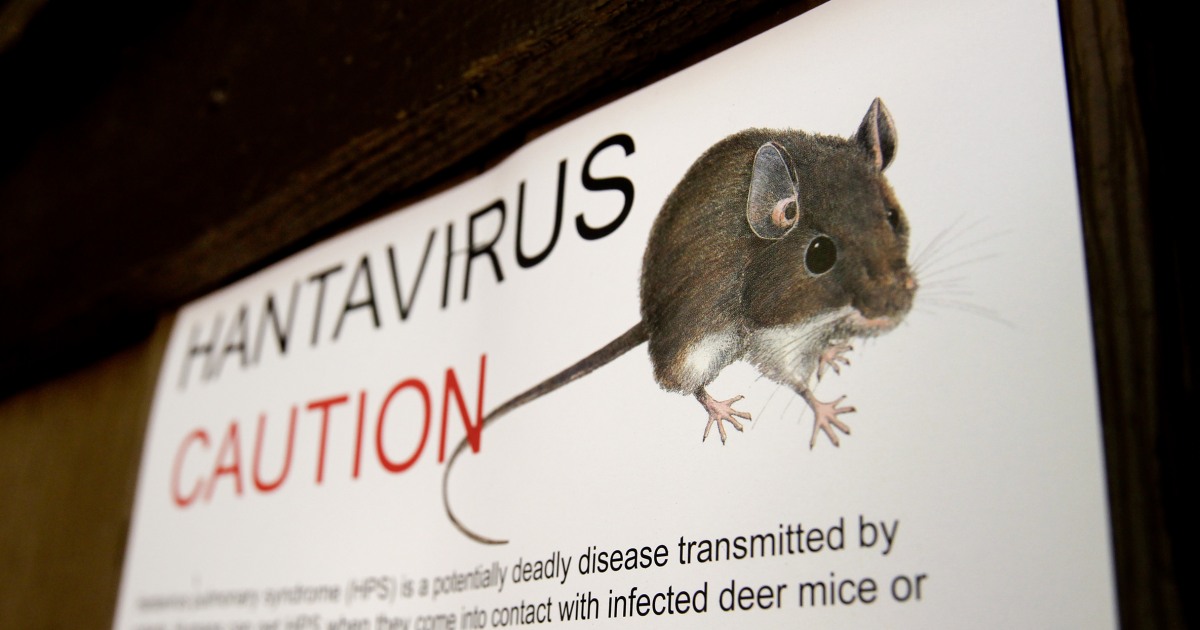
Hantavirus, part of a family of pathogens primarily spread by rodents such as mice, is transmitted through contact with the animals' saliva, droppings, or urine. In the United States, the most common carrier is the deer mouse, identifiable by its white underbelly, large eyes, and oversized ears, particularly prevalent in the Southwest. The virus has no vaccine, no specific treatment, and no cure, leaving those infected reliant on supportive care to survive its severe effects.
"It's a horrible disease," said Dr. Jeff Duchin, a retired public health officer in Seattle who played a key role in investigating the first recognized U.S. outbreak of hantavirus in 1993. "It's not uniformly fatal and it's not always severe, but the fatality rate is still thought to be up to 40%, which is really high." Duchin's experience came during an epidemic in the Four Corners region of the Southwest, where a team from the Centers for Disease Control and Prevention, including local New Mexico clinicians, identified the virus after young, healthy individuals began dying from a mysterious respiratory illness.
That 1993 outbreak ultimately claimed 14 lives and marked the discovery of hantavirus pulmonary syndrome (HPS) in the U.S., a form of the disease that targets the lungs. Prior to that, no such hemorrhagic fever virus was known to circulate domestically, Duchin noted. Since then, the CDC has confirmed more than 890 cases nationwide from 1993 to 2023, with at least 129 in New Mexico alone, underscoring the virus's persistence in rodent populations in western states.
Symptoms of hantavirus infection typically begin subtly, mimicking common illnesses like the flu or COVID-19. According to the Centers for Disease Control and Prevention, initial signs include fatigue, fever, and muscle aches, often accompanied by headaches, dizziness, chills, or abdominal issues. "Initially, there's nothing specific that would tell you you have hantavirus. You could think you have Covid or influenza, or just a really bad community acquired infection," Duchin explained.
The incubation period can stretch up to eight weeks after exposure, making diagnosis challenging, said Dr. Scott Roberts, an assistant professor at Yale School of Medicine. "It's very possible this is missed," he added, highlighting how the virus's early nonspecific symptoms can delay intervention. In severe cases, the illness escalates rapidly to the lungs, causing coughing, shortness of breath, and fluid buildup—a progression that can turn fatal within hours.
"The fatal, rapidly progressive pulmonary illness can come on very quickly, in hours. That, itself, can become fatal on a very short timeline," Duchin described. In its advanced stages, the virus leads to a drop in blood pressure and leaky blood vessels, allowing fluid to seep into the lungs and tissues. This impairs oxygen intake and exacerbates hypotension, often proving lethal without prompt, intensive support.
The cruise ship cases echo a high-profile incident last year involving Betsy Arakawa, the wife of actor Gene Hackman. Arakawa, 65, succumbed to hantavirus pulmonary syndrome in New Mexico, where the couple resided. Hackman, then 95, passed away a week later from hypertensive and atherosclerotic cardiovascular disease, with Alzheimer's disease listed as a significant contributing factor, according to officials.
Investigators from the New Mexico Department of Health assessed the risk of hantavirus transmission in the couple's home as low but discovered signs of rodent activity in other structures on the property. "We did identify signs of rodent entry in other structures on the property," said Erin Phipps, the state's public health veterinarian, at the time. It remains unclear how Arakawa contracted the virus, though the deer mouse is the primary vector in that region.
Transmission typically occurs when people disturb rodent-infested areas, such as dusty barns, cabins, or outbuildings near forested land, especially during cleaning activities. Aerosolized particles from urine or droppings can be inhaled in poorly ventilated spaces, leading to infection. While human-to-human spread is rare, the World Health Organization has warned that it is possible and can result in severe respiratory illness, necessitating careful monitoring and response protocols.
Beyond the U.S., hantaviruses pose threats in Europe and Asia, where different strains carried by various rodent species cause hemorrhagic fever with renal syndrome (HFRS), affecting the kidneys rather than primarily the lungs. In the western U.S., where deer mice thrive, cases are most frequently reported in the Southwest, following the natural circulation of the virus in animal populations, Roberts noted. "That's where it circulates in the animal population. That's where animals get infected and humans follow," he said.
Prevention remains the cornerstone of combating hantavirus, as medical options are limited to supportive care like mechanical ventilation in critical cases. "There's not much we can do—no vaccine, no treatment, it's supportive care," Roberts emphasized. "The best way to treat this is prevention." Experts recommend sealing homes against rodent entry, storing food in airtight containers, and trapping pests in infested areas.
When cleaning up after a rodent infestation, strict precautions are essential. Phipps advised wearing gloves and an N95 respirator, opening windows for ventilation, and using disinfectants to handle droppings or nests. "Avoiding contact with or breathing in aerosolized rodent urine or feces, especially in a poorly ventilated area," is crucial, she said. Additionally, "Never sweep up or vacuum mouse droppings, since this can spread particles up into the air," potentially infecting others nearby.
The cruise ship outbreak has spotlighted vulnerabilities in travel and remote work environments, where access to advanced care is limited. As investigations continue, Oceanwide Expeditions has not detailed quarantine measures or the source of the infection—possibly linked to provisions, onboard rodents, or ports of call. Health authorities in South Africa are treating the surviving patient, while the two crew members await potential evacuation.
Broader implications of this event underscore the ongoing challenge of zoonotic diseases, where pathogens jump from animals to humans in an increasingly connected world. With no new developments on a vaccine despite decades of research, public health officials stress vigilance in rodent-prone areas. The incident serves as a stark reminder that even rare viruses like hantavirus can claim lives swiftly, urging travelers and residents alike to prioritize prevention in the face of nature's hidden threats.