In the bustling online world of health trends, peptides have emerged as a supposed miracle cure, promising everything from DNA repair to stress reduction and rapid wound healing. Social media platforms like Instagram and TikTok are flooded with videos showcasing dramatic "peptide transformations" and before-and-after images, fueling a surge in interest among those seeking quick fixes for complex health issues. Yet, experts caution that these viral claims often lack solid scientific backing, painting a picture of an unregulated market that CBS News chief medical correspondent Dr. Jon LaPook has described as the "wild, wild West."
Peptides, essentially short chains of amino acids—the building blocks of proteins—play various roles in the body, from digesting food to producing brain chemicals. As Dr. LaPook explained on "CBS Mornings," these molecules can influence cellular functions at a fundamental level. The human body naturally generates some peptides, and the Food and Drug Administration has approved more than 80 for specific uses, including insulin for diabetes management, ingredients in skincare products, and GLP-1 medications like Ozempic and Wegovy, which are popular for weight loss.
However, the peptides dominating social media discussions are a different breed altogether. These unregulated versions, touted for healing injuries, slowing aging, and enhancing performance, have not received FDA approval. According to Dr. Monica Wang, an associate professor of health policy and management at the Harvard T.H. Chan School of Public Health, the broad marketing of these substances as fixes for "everything" is a major red flag. "In many cases, these products or supplements haven't been FDA approved," Wang said. "They haven't been rigorously tested in clinical trials. To have specific products being translated into very confident consumer claims is a red flag."
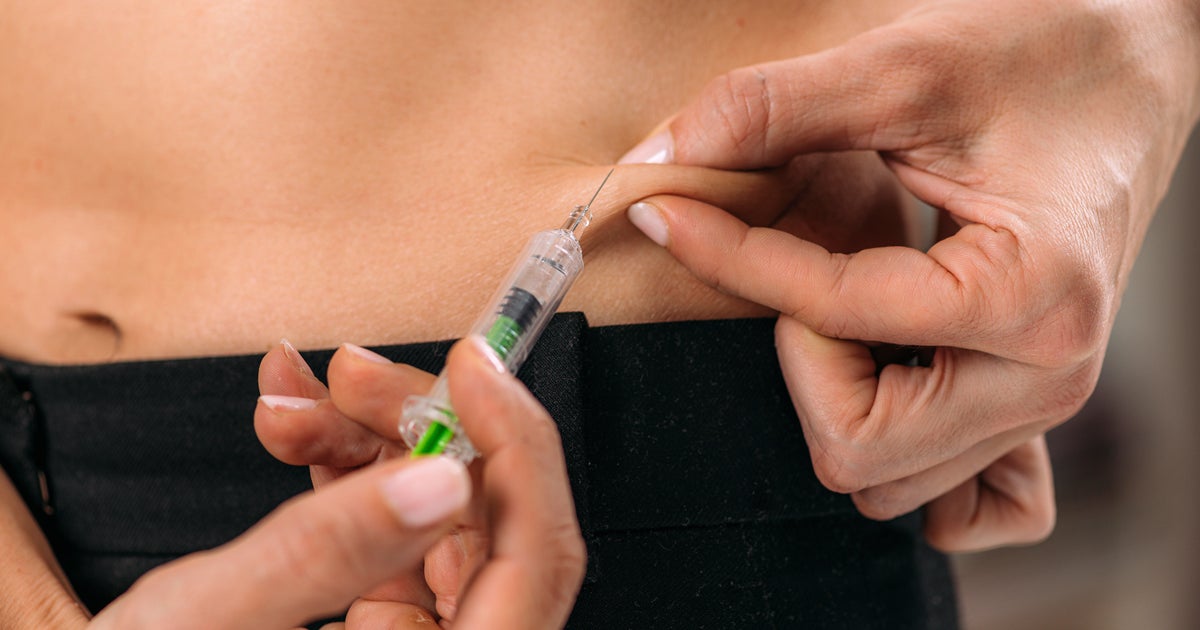
Scientific evidence for these online-hyped peptides remains thin. Dr. LaPook noted that while animal studies, such as those on rats and mice, suggest potential effects on cell function, there are no "gold-standard reproducible randomized trials in humans that show they actually work." Users typically purchase these peptides from dozens of websites, many of which feature bold claims, generic domain names, and scant contact details. Often labeled for "research use only," the products require user logins to view details, and buyers must mix and inject them themselves without medical supervision.
The allure of peptides has exploded in recent years, driven by social media algorithms and e-commerce ease. An analysis of Google search data by The Peptide Effect revealed that U.S. searches related to peptides reached 10.1 million in January 2026, with about 60 percent focused on GLP-1 drugs for weight loss. The remaining millions targeted performance-enhancing, anti-aging, and healing varieties. Searches for "longevity peptides," associated with benefits like heart health and metabolic regulation, have surged nearly 300 percent year-over-year.
On TikTok, the #peptides hashtag has appeared in over 270,000 videos, some garnering hundreds of thousands or even millions of views. Instagram fares even larger, with the tag used in more than 654,000 posts. This digital buzz taps into a deeper human desire for straightforward solutions to genuine, multifaceted health challenges, Wang explained. "The health problems that people are trying to solve, they're real, and they're also usually very complex, but the solutions being marketed are often oversimplified," she said. "When you see a new trending fix, it's more about, 'What is a product that can be marketed, that people will buy, that are conveyed as simple, fast, and promise control?' It taps into the consumer economy more than the health care economy."
Peptide "stacks," customized combinations tailored to individual needs, have become a staple in the biohacking community, where enthusiasts claim these blends optimize bodily functions. Videos on platforms like Instagram depict users achieving shinier hair, reduced stress, and faster recovery from workouts or injuries. But the lack of oversight raises serious safety concerns. With no guarantees on purity or dosage, consumers risk unknown contaminants or adverse effects, LaPook warned. "There's a gray market out there and it is like the wild, wild West," he said, highlighting the difficulty in verifying what buyers actually receive.
The trend has caught the attention of high-profile figures, adding to its legitimacy in some circles. Health and Human Services Secretary Robert F. Kennedy Jr. recently expressed enthusiasm for peptides during an appearance on the "Joe Rogan Experience" podcast last month. Kennedy, who said he has personally used them "with really good effect on a couple injuries," described himself as a "big fan" of the substances. He advocated for making over a dozen peptides—currently barred from sale by compounding pharmacies—more accessible, though he provided no specifics on how this would be achieved.
Kennedy's comments have sparked debate within the medical community. Dr. LaPook questioned the implications of broadening access under FDA guidelines. "Kennedy's plan raises the question, if the FDA is making these things more widely available, what are the safety and efficacy studies that will have to happen?" he said. Proponents, including some in the biohacking space, argue that regulatory hurdles stifle innovation, while critics like Wang emphasize the need for rigorous testing to protect public health.
This isn't the first time unregulated supplements have gone viral. Similar patterns emerged with trends like ivermectin during the COVID-19 pandemic or unproven detox regimens on social media. Peptides fit into a larger ecosystem of wellness products that promise empowerment through science-sounding solutions, often bypassing traditional healthcare channels. The FDA has long warned against unapproved drugs, issuing alerts about the risks of self-administered injectables, but enforcement in the online gray market remains challenging.
Consumers drawn to peptides often start with influencer testimonials or peer recommendations in online forums. Stories of nerve relief or accelerated healing circulate widely, but without clinical validation, these remain anecdotal. The Peptide Effect's data underscores the trend's momentum, projecting continued growth as anti-aging and performance enhancement remain hot topics in a youth-obsessed culture.
Experts urge caution and consultation with healthcare providers before experimenting with such substances. Wang pointed out that while the appeal is understandable—offering control over aging and vitality—the reality demands evidence-based approaches. As social media continues to amplify these claims, regulatory bodies may face pressure to clarify guidelines, especially with influential voices like Kennedy weighing in.
Looking ahead, the peptide phenomenon highlights broader tensions between innovation and safety in the digital age. Will increased accessibility lead to breakthroughs, or expose more people to risks? For now, the evidence tilts toward skepticism, with approved peptides serving proven needs while the viral varieties remain in the realm of unverified promise. As searches and posts proliferate, staying informed through credible sources could be the best defense against the hype.
The story of peptides serves as a reminder of how quickly health trends can spread online, blending hope with hype. With millions tuning in daily, platforms like TikTok and Instagram wield immense influence, shaping perceptions faster than science can catch up. Until more human trials emerge, the wild claims may persist, but so too will the calls for caution from those on the front lines of medical reporting.