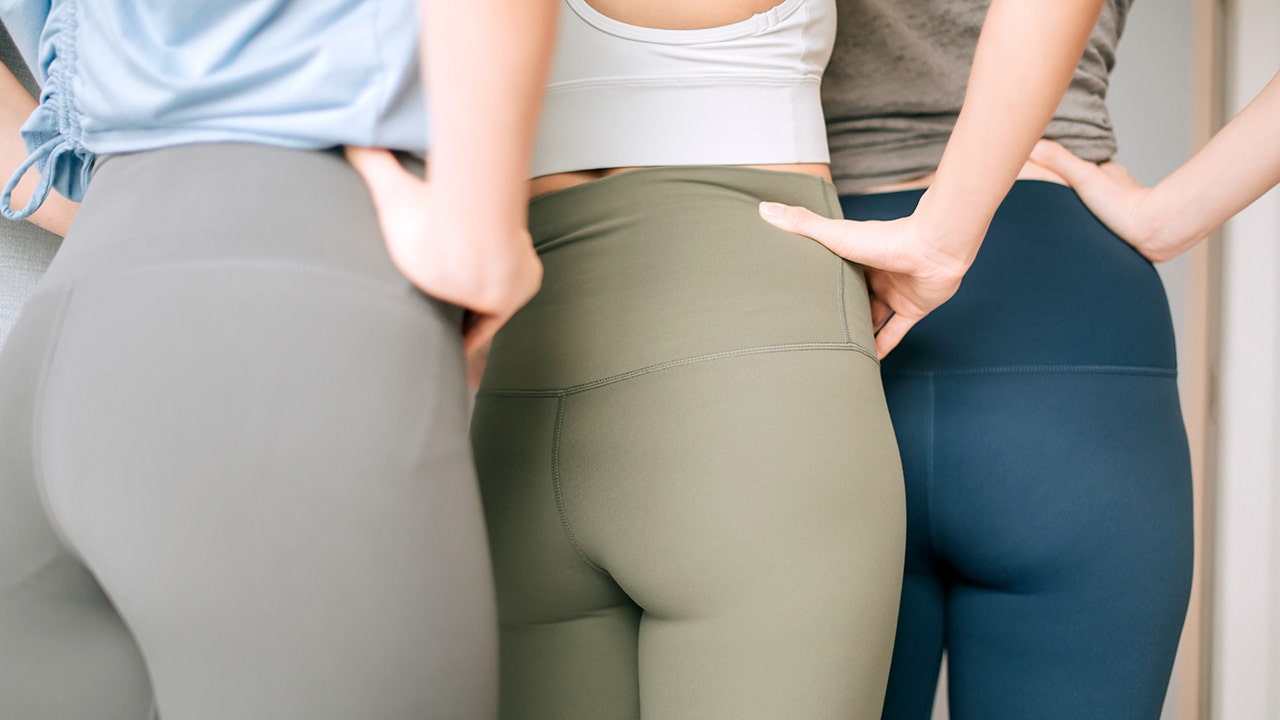
CHICAGO — A new study presented at the Radiological Society of North America's annual meeting here in December has uncovered surprising links between the shape of the human buttocks and underlying health conditions, including type 2 diabetes, osteoporosis, and even signs of aging and frailty. Researchers from the University of Westminster in the U.K. analyzed over 61,000 MRI scans from a large UK health database, revealing that variations in the gluteus maximus muscle — the largest muscle in the body — could serve as an indicator of metabolic health and early functional decline.
The study, led by E. Louise Thomas, Ph.D., a professor of metabolic imaging at the University of Westminster’s School of Life Sciences, used advanced 3D MRI imaging to map the precise structure of the gluteus maximus. Unlike prior research that focused on muscle size or fat distribution, this work pinpointed exact locations of muscle changes. "The gluteus maximus plays a key role in metabolic health," Thomas said in a press release from the Radiological Society of North America.
Participants in the database provided detailed information, including physical measurements, demographics, disease biomarkers, medical history, and lifestyle habits. The researchers examined how these factors influenced muscle shape over time. They found distinct patterns associated with type 2 diabetes, suggesting that the muscle's form, rather than its volume, might reflect deeper metabolic differences.
According to the findings, people with higher fitness levels — measured by vigorous physical activity and hand grip strength — exhibited a more pronounced gluteus maximus shape. In contrast, aging, frailty, and prolonged sitting were linked to muscle thinning. "People with higher fitness, as measured by vigorous physical activity and hand grip strength, had a greater gluteus maximus shape, while aging, frailty and long sitting times were linked to muscle thinning," said Marjola Thanaj, Ph.D., a senior research fellow at the University of Westminster’s Research Centre for Optimal Health and a co-author of the study.
The research highlighted gender-specific responses to type 2 diabetes. Men with the condition showed overall muscle shrinkage, while women displayed enlarged muscles, likely due to fat infiltration within the tissue. These differences indicate that "men and women have very different biological responses to the same disease," Thanaj noted. The study also connected butt shape changes to osteoporosis and frailty, with frail men experiencing more widespread shrinkage in the muscle compared to women, who showed more limited effects.
Presented on December 3 at the RSNA meeting in Chicago, the research draws from the UK Biobank, a vast repository of health data from over 500,000 participants across the country. The gluteus maximus, often called the body's powerhouse for activities like walking, running, and standing, is crucial for stability and metabolism. Experts emphasize that its health could signal broader issues, such as the sedentary lifestyles increasingly common in modern work environments.
While the study focused on shape rather than size, it builds on growing evidence that muscle composition affects overall well-being. For instance, larger muscle groups like the glutes help regulate blood sugar and burn calories, earning them the nickname "organ of longevity" among fitness professionals. The findings come at a time when type 2 diabetes affects over 37 million Americans, according to the Centers for Disease Control and Prevention, and similar trends are seen globally, including in the U.K.
Thanaj and her team concluded that alterations in butt shape may signal an "early functional decline" and "metabolic compromise" in diabetes patients. This could open doors to non-invasive screening methods using routine MRI scans, potentially allowing doctors to intervene sooner. However, the researchers cautioned that more longitudinal studies are needed to confirm causality and track changes over decades.
Beyond the science, the study has practical implications for everyday health. Tanya Becker, co-founder of Physique 57, a fitness studio in New York City, stressed the importance of glute strengthening as an "investment in long-term health." Speaking to Fox News Digital, Becker described the glutes as the body's "shock absorbers," protecting the lower back, knees, and hips from undue stress. "While full-body strength training is essential, focusing on your glutes — the largest muscle group in your body — deserves special attention," she said.
Becker pointed out that strong glutes improve posture, balance, and mobility, reducing fall risks especially among older adults. She recommended starting with accessible exercises, particularly for those with joint pain or injuries. Traditional moves like squats, lunges, and bridges are effective but may not suit everyone, she added. Instead, Pilates and barre classes offer bodyweight alternatives that can be done anywhere.
For those ready to build glute strength, Becker outlined three targeted exercises. The first, quadruped leg lifts, strengthens the entire core and glutes: Start on hands and knees, engage the core, and lift one leg (bent or straight) off the floor, pulsing up and down for 30 to 60 seconds per side. Next, clamshells target the gluteus medius: Lie on your side with knees bent at 90 degrees, lift the top knee while keeping feet together, and repeat for 30 to 60 seconds per side; for added challenge, lift both feet off the ground.
The third exercise, glute bridges, bolsters the lower back and glutes: Lie on your back with knees bent and feet flat, a few inches from the hips; squeeze the glutes to lift the hips to knee height, then lower slowly. Perform for 30 to 60 seconds, completing three sets with 30-second rests. "If you feel pressure in your neck, you’ve lifted too high," Becker advised. She emphasized consulting a doctor before starting any new routine, especially for beginners or those with health concerns.
The Westminster study aligns with broader research on sedentary behavior's toll. Prolonged sitting, often dubbed "office chair butt," contributes to muscle atrophy and metabolic issues. A 2023 report from the World Health Organization noted that physical inactivity is a leading risk factor for non-communicable diseases, affecting one in four adults worldwide. In the U.S., the average office worker sits for eight hours daily, exacerbating these risks.
While the research is promising, it's not without limitations. The UK Biobank data primarily involves middle-aged and older adults of European descent, so findings may not fully apply to diverse populations. Fox News Digital reached out to the study authors for additional comment but had not received a response at press time. Nonetheless, the presentation at RSNA — attended by thousands of radiologists and medical professionals — underscores the growing interest in using imaging for preventive health insights.
Looking ahead, experts like Thomas hope these discoveries will inspire personalized fitness and medical interventions. As awareness of metabolic health rises, simple changes like incorporating glute-focused exercises could play a role in combating diabetes and frailty. For now, the study serves as a reminder that even overlooked body parts hold clues to our vitality, urging a closer look at how we move — or don't — through daily life.