Retail power prices are set to fall by as much as 10 percent for many Australian households this year, a development welcomed by consumers and the government alike amid ongoing shifts in the energy market. The Australian Energy Regulator's decision on the default market offer will influence pricing across the sector, even though fewer than 10 percent of customers are directly on that plan.
The reductions vary significantly by region. In South East Queensland, prices will drop 10.7 percent, while New South Wales sees declines of up to 7.7 percent. South Australia faces a modest increase of 1.4 percent for some customers, and Victoria, operating under its own default offer, will see a 5 percent reduction. Small businesses stand to benefit more substantially, with falls reaching 20.9 percent in New South Wales.
"The falls are real, though they do not apply everywhere," the analysis notes, highlighting that the cheaper power applies directly to those on the safety net plan overseen by the regulator. Energy retailers often follow these benchmarks much like banks track Reserve Bank interest rate moves.
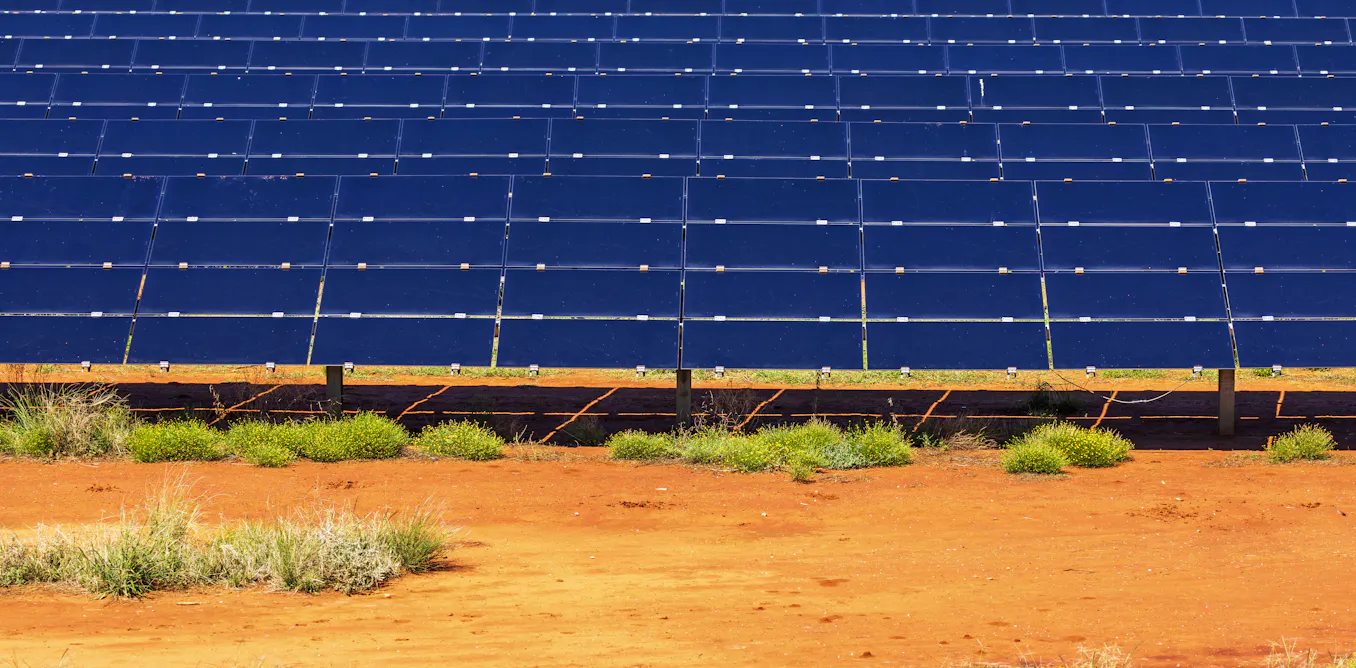
The average Australian household power bill hovers around A$2,000 annually. Wholesale power costs account for 30 to 40 percent of the bill, network expenses another 40 percent, and the rest covers environmental and retailer charges. Wholesale prices have declined recently as more wind and solar farms come online and grid-scale batteries displace gas generation during certain periods.
Renewables have reached as high as 50 percent in Australia’s main grid, allowing solar, wind and batteries to supply power more cheaply than fossil fuels. However, rising costs for new transmission lines have offset some of those savings, keeping retail prices from falling further in prior years.
Network costs have climbed in a range of 5 to 10 percent, driven largely by transmission projects and, in Queensland, damage from extreme weather. Inflation has also increased expenses for major infrastructure builds. This pattern is expected to persist, with wholesale prices likely to stay flat or continue declining while network charges rise more sharply due to community opposition and delays on some lines.
Gas plays a critical role as a price setter during peak demand, though its overall contribution is shrinking. The fuel may drop from providing about 20 percent of electricity to as low as 5 percent, serving mainly as backup on low wind or sun days.
Smart meters are rolling out across several states, with completion targeted by 2030 in New South Wales, South Australia, the Australian Capital Territory and Queensland. Victoria finished its program more than a decade ago. These devices enable time-of-use tariffs that charge different rates depending on the time of day, encouraging consumption when power is cheaper to produce.
For the first time, the energy regulator incorporated both flat and time-of-use tariffs into its default market offer. Household battery incentives are also gaining traction, allowing solar owners to store energy for peak periods instead of drawing from the grid at higher costs.
Big batteries are increasingly outcompeting gas peaking plants and helping hold wholesale prices lower, an effect that is accelerating. Without sufficient new transmission, however, many renewable projects remain unviable, leaving lower wholesale costs offset by higher network expenses.
The electricity grid is undergoing a fundamental reshape from its 20th-century model built around peak demand. When transmission infrastructure is eventually completed, network costs should also begin to fall, according to the analysis.
Officials have noted that the price changes reflect broader market dynamics rather than any single policy shift. Consumers on standard offers will see the most immediate impact, while those on competitive plans may experience different adjustments depending on their retailer.