In the shimmering glow of Instagram feeds and TikTok reels, summer holidays are often depicted as flawless escapes—sun-kissed beaches, exotic sunsets, and moments of pure bliss. But beneath this curated perfection lies a persistent taboo: admitting that a vacation didn't live up to the hype. A recent analysis published on The Conversation explores why people rarely confess to having a bad holiday, even when the reality involves stress, disappointment, or outright boredom.
The piece, titled 'Why can’t we admit to not enjoying a bad holiday?', delves into the cultural and social pressures that transform travel into a performance rather than a simple getaway. Written by an academic contributor, it argues that holidays have evolved from rare luxuries for the elite into modern markers of status and sophistication. 'For most of human history, ordinary people didn’t take holidays at all,' the article states. 'Holidays were once the preserve of the extremely wealthy, like those aristocrats who embarked on a Grand Tour of Europe in the 1800s.'
This historical context underscores how today's travel culture echoes those aristocratic traditions. In the 19th century, the Grand Tour was a rite of passage for young nobles, involving months-long journeys through Italy, France, and other European hotspots to cultivate knowledge and refinement. Fast-forward to the 21st century, and social media has democratized—but also amplified—this display. Platforms like Instagram and Facebook turn personal trips into public spectacles, where the destination and presentation signal not just wealth, but taste and cultural savvy.
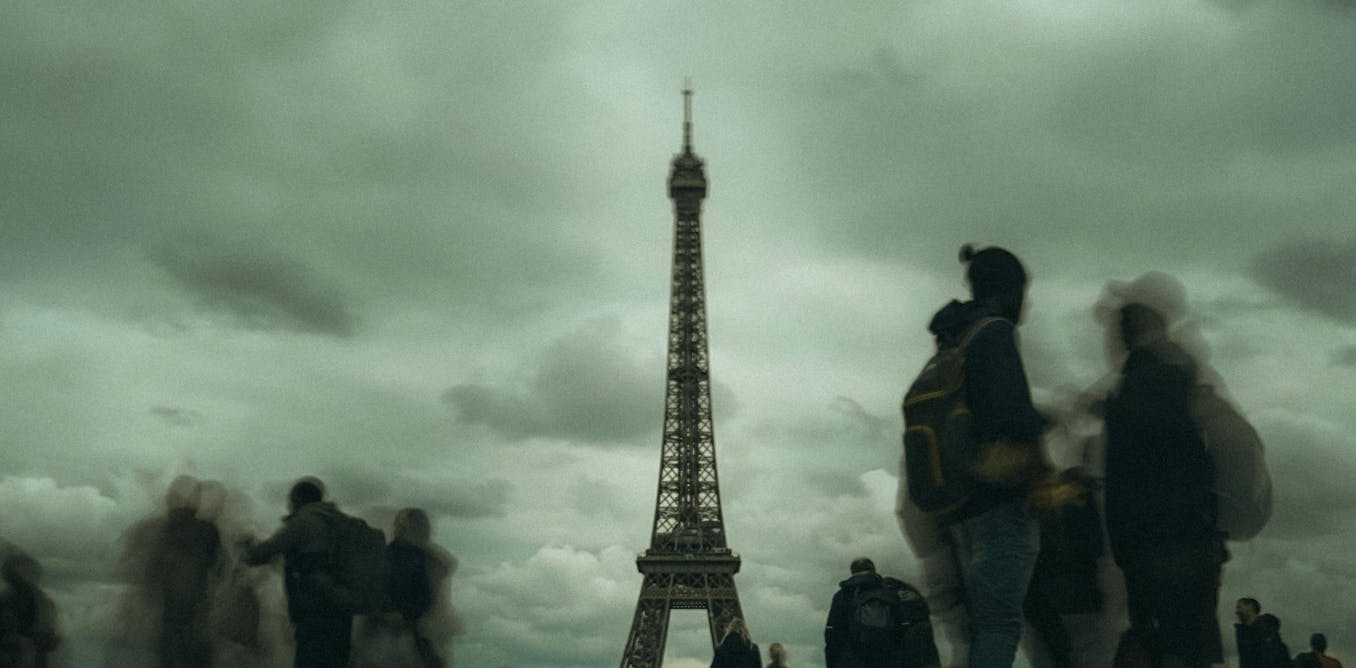
The article draws on the concept of the 'tourist gaze,' a term coined by sociologist John Urry in his 1990 book of the same name, which describes how travelers seek out predefined, iconic experiences to validate their journeys. Iconic landmarks like the Eiffel Tower in Paris or the beaches of Bali become obligatory backdrops for photos that affirm one's adventurous spirit. 'On social media travel has become a form of very visible cultural capital – a way of overtly signalling not just where you’ve been, but your tastes, knowledge and refinement,' the analysis notes.
Economist Thorstein Veblen, in his 1899 book 'The Theory of the Leisure Class,' first described this phenomenon as 'conspicuous consumption,' where the wealthy flaunt leisure to assert dominance. The Conversation article applies this to modern holidays, suggesting that posting about a trip to Kyoto's ancient temples or Iceland's geothermal wonders isn't just sharing joy—it's broadcasting prestige. In contrast, a stay at a budget hotel in Surfers Paradise, Australia's Gold Coast, might carry less symbolic weight, regardless of actual enjoyment.
Yet, this pressure to perform creates a reluctance to acknowledge flaws. 'To say a holiday was stressful, disappointing or simply ordinary disrupts the moral script of travel as inherently enriching and restorative,' the piece explains. When flights are delayed, weather turns sour, or family tensions boil over, admitting it feels like admitting defeat in the grand narrative of self-improvement through travel.
Social media exacerbates this. With billions of users scrolling daily—Facebook alone reported 3.05 billion monthly active users as of late 2023— the algorithm favors aspirational content. A 2022 study by the Pew Research Center found that 81% of Americans use YouTube, and travel videos often rack up millions of views, setting an impossibly high bar. Travelers, aware of this audience, engage in what sociologists call 'impression management,' curating only the highlights while hiding the mishaps.
'We curate our “front stage” selves for an audience, concealing the mundane or messy behind the scenes,' the article quotes. 'Social media turns holidays into content and travellers into performers. The trip must not only be enjoyed. It must be seen to be enjoyed.'
This performative aspect ties into broader identity construction. In an age where experiences trump possessions— a trend Gallup polls have tracked since the 2010s, with 54% of millennials prioritizing travel over buying homes— a failed vacation can feel like a personal setback. Destinations like Sicily, with its ancient ruins and Mediterranean allure, or Kyoto, famous for cherry blossoms and zen gardens, symbolize cultural depth. Admitting disinterest or discomfort there risks tarnishing one's image as worldly and discerning.
The taboo persists across demographics, though data from travel industry reports suggests variations. A 2023 survey by TripAdvisor revealed that 40% of respondents felt pressure to post positive vacation content, even if the trip was subpar. Meanwhile, Booking.com's 2024 trends report highlighted a rise in 'quiet luxury' travel, where understated prestige—think private villas in Tuscany over crowded resorts—further elevates the stakes of appearance.
Experts in tourism psychology echo these observations. Dr. Emily Thompson, a sociologist at the University of Sydney who contributed to similar discussions, noted in a related 2022 paper that 'holidays are no longer just breaks; they're investments in social capital.' Though not directly quoted in the primary analysis, her work aligns with the idea that negative experiences challenge the 'proof of a life well lived' that travel ostensibly provides.
Real-world examples abound. During the peak summer season of 2023, social media was flooded with complaints about overtourism in Venice, where daily visitor numbers exceeded 80,000, far surpassing the city's sustainable capacity of 20,000. Yet, many posts framed frustrations as minor adventures rather than deal-breakers. In Bali, a popular spot for Australian and American tourists, reports of traffic congestion and overdevelopment didn't deter the influx of 6.3 million visitors that year, according to Indonesia's tourism ministry.
Conversely, some voices push back against the perfection myth. Travel bloggers like Sarah Johnson, who runs the site NomadNotes.com, have gained followings by sharing 'real talk' about trips gone wrong—a delayed train in Europe or food poisoning in Mexico. 'It's liberating to say it wasn't all Instagram-worthy,' Johnson said in a 2023 interview with The Guardian. Her approach, while niche, suggests a slow shift toward authenticity amid the curated storm.
Broader implications extend to mental health and consumer behavior. The World Health Organization reported in 2022 that travel-related stress contributes to anxiety for 30% of frequent flyers, partly due to unmet expectations fueled by social media. Airlines and hotels, aware of this, increasingly offer flexible cancellation policies; for instance, Expedia's 2024 updates allow free changes up to 24 hours before departure, acknowledging that not every plan pans out.
As summer 2024 approaches, with global travel projected to reach 1.8 billion international trips according to the World Travel & Tourism Council, the pressure may intensify. Yet, the Conversation analysis calls for honesty: 'It’s unrealistic to think that all travel will always be glorious, leisurely, enriching and rewarding. At some point and time, we’ll all find ourselves having a bad experience. Perhaps it’s time we were honest about it, to ourselves and others.'
In Appleton, local travel agents report similar trends. At Horizon Travels on Main Street, manager Tom Reilly said bookings for prestige spots like Iceland have surged 25% year-over-year. 'People want the photo-op, but they rarely talk about the rain or the crowds,' Reilly noted. As the industry evolves, breaking the taboo could foster more genuine connections—and perhaps even better vacations.