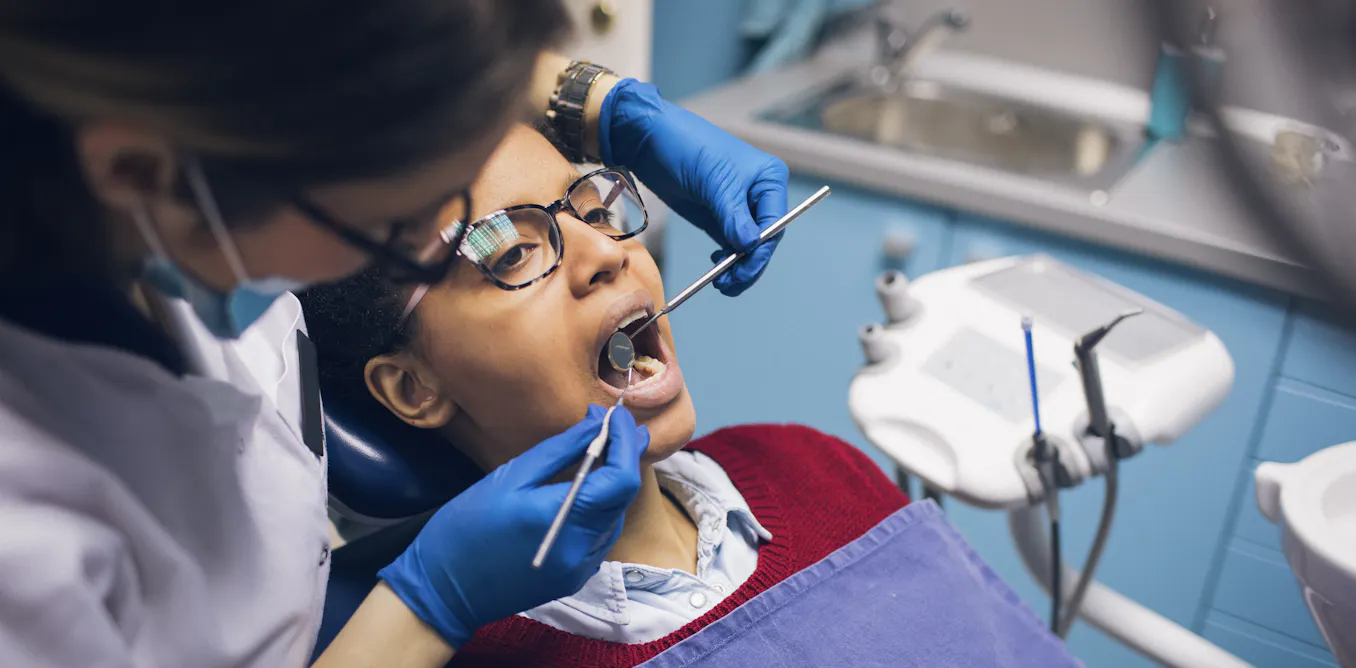
In an era where healthcare costs continue to climb, many patients are second-guessing recommendations for dental treatments that come with hefty price tags. According to a recent article published on The Conversation, around three in ten Australian adults report avoiding or delaying dental care due to financial concerns, while in Aotearoa New Zealand, nearly half of all adults face unmet dental needs for the same reason. This widespread hesitation has sparked discussions among oral health experts about the importance of informed decision-making, including knowing when to seek a second opinion on procedures like fillings, crowns, and implants.
The article, titled 'Wondering if you really need that dental treatment? Here’s what to ask and how to get a second opinion,' delves into the practical realities of dental restorations and their expected lifespans. Dental pain or signs of infection often signal the need for interventions such as fillings, the piece explains. However, it compares these treatments to routine maintenance on a car or a house, noting that 'fillings and crowns wear over time and will eventually need to be replaced.' Factors influencing durability include the material used, the size of the repair, individual oral habits, and home care routines.
Composite fillings, the most common type today, are highlighted for their aesthetic appeal and bonding properties. Made from a blend of resin and fine glass particles, they are designed to match natural teeth and adhere closely to enamel and dentine. According to the article, these fillings typically last between 5 and 15 years, with longevity depending on decay risk, bite force, and cavity size. Failures often occur due to new decay or cracks in the adjacent tooth structure, underscoring the need for ongoing vigilance.
For more extensive damage, crowns provide additional support, such as after a root canal or for teeth with significant cracks. The Conversation piece states that most crowns endure for 10 to 15 years, and many can last even longer with regular professional check-ups and diligent at-home care. This perspective aligns with broader dental health guidelines from organizations like the Australian Dental Association, which emphasize preventive measures to extend the life of such restorations.
Dental implants, often touted as the nearest equivalent to natural teeth, offer a more permanent solution for missing teeth. The article cautions, however, that they are 'not a “fit and forget” solution,' requiring extended follow-up care beyond the initial years. With proper maintenance—including routine cleanings, monitoring for gum inflammation, and ensuring the stability of the implant and screws—they can last for decades. This long-term commitment is a key consideration for patients weighing the upfront costs against future benefits.
When an oral health practitioner recommends treatment, especially if it involves significant expense or invasiveness, patients are advised to arm themselves with questions. The article outlines essential inquiries: What does the treatment entail? Why is it recommended? What are the alternatives, including the option of doing nothing? What outcomes can be expected, and what are the associated costs? It stresses that practitioners should provide clear explanations, discuss risks and benefits, and allow time for patient questions before proceeding.
'Treatment shouldn’t go ahead until you understand everything and feel comfortable agreeing,' the piece asserts. This emphasis on patient comfort reflects a growing movement in healthcare toward shared decision-making, where individuals play an active role in their care plans. In contexts like Australia and New Zealand, where public dental services are limited, private costs can escalate quickly, making such transparency crucial.
Seeking a second opinion emerges as a cornerstone of self-advocacy in the article. Far from indicating distrust, it is described as 'good self-advocacy and ensures your treatment choices align with your values, budget and long-term wellbeing.' To obtain one, patients can simply book an appointment with another practitioner and request their records, such as notes or X-rays, from the original clinic via email. This process is straightforward and empowers individuals to compare diagnoses and recommendations.
The article notes that people typically pursue second opinions in cases of uncertainty about diagnosis, when treatments seem overly aggressive, or amid concerns over costs. Limited evidence in oral health exists, but drawing from medical studies, it reports that 37% of patients received a different treatment recommendation upon seeking a second view. Individual studies cited show variation, with changes occurring in as few as 10% or as many as 62% of cases. Across these reviews, most patients expressed high satisfaction with the process, suggesting it can lead to more confident choices.
In Aotearoa New Zealand, patient rights are enshrined in the Privacy Act and the Code of Health and Disability Services Consumers’ Rights. These laws entitle individuals to comprehensive information on treatment options, risks, benefits, and sufficient details for informed consent. Australian patients similarly have access to their dental records under privacy legislation, with clinics obligated to maintain accurate care documentation and provide it upon request.
Consumer protections in Australia extend further, addressing potential over-servicing through the Dental Board and the Australian Health Practitioner Regulation Agency. If recommendations appear unnecessary, unsafe, or excessively costly, these bodies can investigate. 'Knowing these safeguards exist can make it easier to compare advice and feel confident you’re making the best decision for your mouth and your wallet,' the article concludes. This regulatory framework provides a safety net, particularly in a field where overtreatment allegations occasionally surface in media reports.
The conversation around dental affordability is not new but has gained urgency amid post-pandemic economic pressures. In Australia, where Medicare covers limited dental services primarily for children and low-income groups, adults often bear full out-of-pocket expenses. A 2023 report from the Australian Institute of Health and Welfare echoed the article's statistics, confirming that cost barriers affect about 30% of the population. In New Zealand, the Ministry of Health has noted similar trends, with nearly half of adults postponing care, leading to worsened oral health outcomes over time.
Experts in the field, including those contributing to The Conversation—an academic platform featuring insights from university scholars—advocate for low-intervention approaches where possible. This philosophy favors monitoring minor issues over immediate procedures, aligning with evidence-based dentistry that prioritizes prevention. However, some practitioners argue that delaying treatment can lead to more complex problems, such as infections spreading to other areas, potentially increasing long-term costs.
Broader implications of these cost-related delays ripple through public health systems. Untreated dental issues can contribute to systemic problems, including links to heart disease and diabetes, as supported by global health studies. In response, initiatives like New Zealand's Smileway program aim to subsidize care for vulnerable groups, while Australian states explore expanded coverage. Yet, for the average patient, the article's advice remains practical: Ask questions, explore options, and don't hesitate to seek validation from another professional.
Looking ahead, as dental technology advances— with innovations like longer-lasting biomaterials and digital diagnostics—patients may find more durable and cost-effective solutions. For now, empowerment through knowledge stands as the most accessible tool. Whether facing a routine filling or a major implant, understanding one's rights and options can transform a daunting bill into a manageable decision, ensuring healthier smiles without unnecessary strain on the wallet.