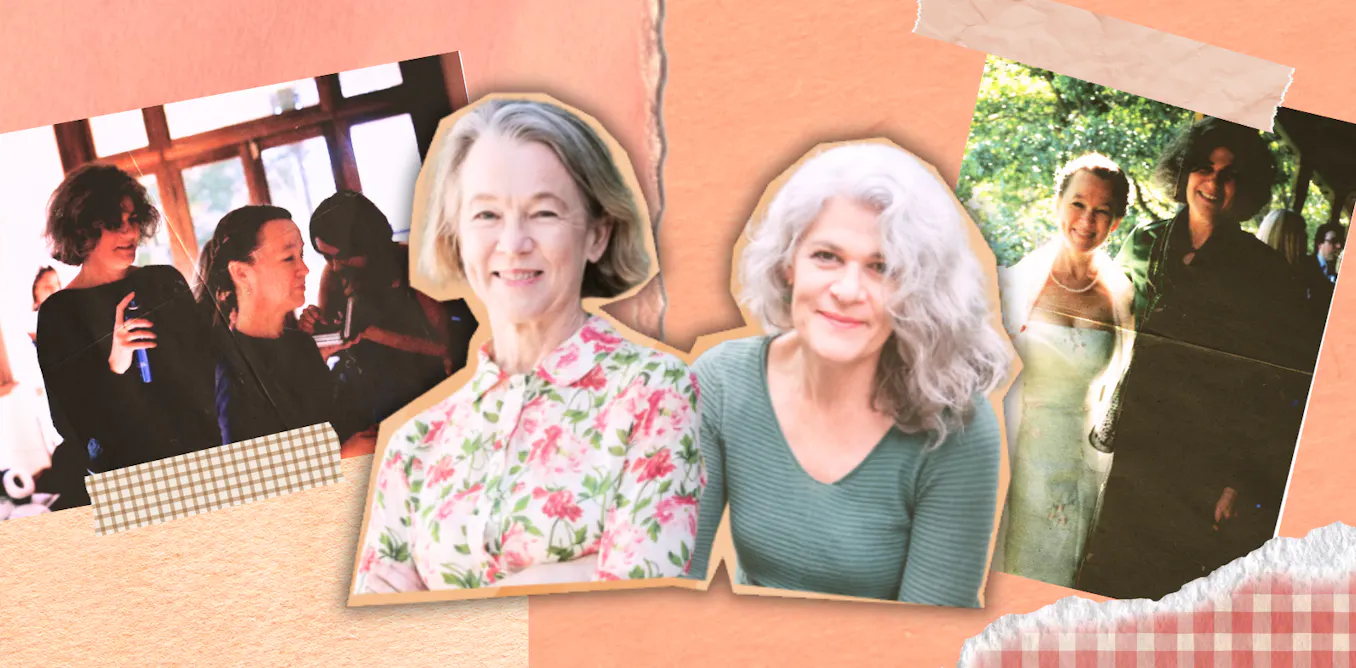
SYDNEY, Australia — The literary world is mourning the loss of Gabrielle Carey, the acclaimed Australian author best known for her groundbreaking teenage novel Puberty Blues, who died by suicide in 2023 at the age of 64. In a poignant tribute, Carey's lifelong friend and fellow writer Debra Adelaide has published When I Am Sixty-Four, a novel of autofiction that weaves their shared history into a narrative of friendship, mental illness, and the limits of words in the face of despair.
Adelaide, who first met Carey in primary school, describes their bond as one forged over a mutual love of reading. The two women, both authors and educators, navigated decades of personal triumphs and struggles together. Carey's death, which mirrored the suicide of her own father at the same age, has prompted Adelaide to reflect on their intertwined lives in this new work, published by University of Queensland Press.
The book opens with a haunting image of the narrator visiting her friend's home, finding her still in bed under "the quilt smooth over the tiny lozenge of her frame," according to a review in The Conversation. This scene sets a tone of quiet sorrow, softening the inevitable confrontation with loss. Adelaide, no stranger to themes of mortality — having previously authored The Household Guide to Dying, which offers pragmatic advice on facing death — employs a measured and compassionate voice throughout the novel.
Reviewers have praised the book's ability to balance devastation with moments of humor and tenderness. "Its focus is an account — no doubt partially true and partially invented — of her friend’s long mental illness, and her decision to end her life in 2023 at the age of 64," writes reviewer Maria Takolander in The Conversation. The autofiction format, blending fact and fiction, creates a "double relationship with both the text itself and the reality of Carey’s death," allowing for privacy while evoking the generalized sorrow of such tragedies.
Adelaide and Carey's friendship spanned from anxious childhood days through chaotic adolescence, marriages, divorces, and professional successes. Carey rose to fame as a teenager co-authoring Puberty Blues with Kathy Lette in 1979, a raw depiction of suburban Sydney life that exposed misogyny and the pressures on young girls. The novel, later adapted into a film and television series, remains a cultural touchstone for discussions on gender and adolescence in Australia.
In When I Am Sixty-Four, Adelaide recounts scenes of everyday absurdity that lightened their lives, such as fixing up Carey's cluttered home. The letterbox was "rotted through and falling off its post," and paintings hung haphazardly, causing distress. The narrator steps in to install a new mailbox and rehang the artwork, prompting her friend to say, "You could have been an interior designer." Adelaide's character demurs: "I’m not good at it … It’s just that you’re very bad at it."
The narrative threads in their shared passion for literature, with reflections on writing and teaching creative writing — which the Carey character dubs "the creative writing gulag." They discuss the "sensual pleasure in words like petrichor" and debate the volatility of the present tense in fiction. The two even fantasize about co-authoring a book called Agony Author, an A-to-Z guide on writing woes, from "A for Author" to "P for Publicity." Though the project remained unrealized, Adelaide's sketches of its entries are described as "quirky and witty."
Yet beneath the levity lies the intractability of Carey's mental health struggles. Adelaide portrays her friend's persistent anxiety over perceived poverty, despite owning a house in reasonable repair and having adequate income. "It took me a long time to recognise the peculiar kind of anxiety that was eating her up," Adelaide writes, identifying it as "the awful spectre of the impoverished older woman." Efforts to reassure her fell short, deepening the depression.
As professional writers, both women found solace in words, but Adelaide confronts a harsh reality: "I realised the worst irony of all … Words were our life, but they could not save a life." This line, repeated in the review, underscores the novel's central tension — literature as both a compulsion and an insufficient remedy for affective disorders.
The book extends beyond personal anecdote to broader societal critiques. Echoing Puberty Blues, it highlights systemic issues like baseline misogyny and rape culture that plagued their adolescence and lingered into later years. The Carey character feels "suffocated in the darkness and ignominy of impoverished old-womanism," deeming her successful life "worthless." Adelaide suggests this reflects pervasive imposter syndrome among women, contaminating perceptions of otherwise fulfilling lives.
Counterbalancing the grief are metaphors of resilience, embodied by wild birds observed during their walks. Herons bicker halfheartedly, offering "a lesson in stoicism, in accepting the things I cannot change," Adelaide notes. Galahs, cockatoos, ibises — even the much-maligned bin chickens, forgetting their ancient ties to Thoth, the Egyptian god of writing — scavenge, soar, and raise young, lifting spirits amid the chaos.
Adelaide's own accolades add weight to the narrative. Since the mid-1990s, she has published novels and short-story collections, earning significant literary awards or nominations. Her invitation to reviewers like Takolander, who approached the book "pleased — though also wary," highlights its emotional depth without descending into sentimentality.
The publication of When I Am Sixty-Four comes at a time when conversations around mental health and suicide prevention are increasingly prominent in Australia. Carey's death in 2023, following a lifetime of scholarly work on figures like James Joyce, serves as a reminder of the vulnerabilities even celebrated artists face. Organizations like Lifeline emphasize support resources, noting that issues raised in such stories can prompt vital outreach.
Looking ahead, Adelaide's work invites readers to consider the possibilities of renewal. Near the end, she describes her granddaughters as "all fresh, barely opened notebooks on which the most amazing stories were yet to be inscribed." This image of hope suggests that while losses are irreparable, new narratives — and better lives — remain possible.
As tributes to Carey continue, When I Am Sixty-Four stands as an eloquent portrait of a friendship that endured separations, including the intense Puberty Blues era, until the end. It captures not just one woman's story, but the shared human experience of joy, failure, and the quiet strength found in connection.